
Browse Shutter Guide
General
- Our Plantation Shutters
- Imported vs Local Plantation Shutters
- Why Choose Plantation Shutters?
- How Much Do Plantation Shutters Cost?
- Where Did Plantation Shutters Originate?
- Plantation Shutters vs Blinds
- Choosing the Best Shutter Material
- Plantation Shutters for Kitchens
- Are PVC Shutters Safe?
- How to Photograph Your Windows
Performance
Care
Frames
- Complete Guide to Shutter Frame Types
- Inside Z-Frame
- Inside L-Frame
- Outside L-Frame
- What Is an Inside Mount?
- What Is an Outside Mount?
Customisation
- Choosing the Right Shutter Colour
- A Guide to Shutter Panels
- Choosing the Right Panel Configuration
- Should Shutters Match Your Window Trim?
Mounting
- Inside vs Outside Mount Plantation Shutters
- What Type of Window Do I Have?
- What Is a Window Recess?
- Should I Inside or Outside Mount My Shutters?
- A Guide to Architraves
- What Is a Window Sill?
Tricky Windows
Getting Started
- Quick Measuring for a Shutter Quote
- How to Measure a Window Recess for Shutters
- Complete Guide to Measuring for Plantation Shutters
Midrails
Custom Panels
Inside Mount
- How to Measure Your Window Recess
- Measuring for an Inside Mount
- Measuring an Inside Mount Window with a Sill
- Managing Window Obstructions
Outside Mount
- Measuring for an Outside Mount
- Outside Mount Measuring with a Decorative Architrave
- Outside Mount Measuring for a Square-Set Window
Corner & Bay Windows
Our Service
- Our Plantation Shutters
- Why My DIY Blinds?
- What Does Our Shutter Warranty Cover?
- Our Plantation Shutter Product Guarantee
Quotes
Ordering & Product Setup
- Getting Started with Your Shutter Order
- How Shutter Product Recommendations Work
- Uploading a Photo of Your Window
Delivery
- Where We Deliver Plantation Shutters
- How Your Plantation Shutters Are Delivered
- What to Expect on Delivery Day
Measure Guarantee
Self Review
A Guide to Architraves
An architrave is the trim that frames the inside of a window or doorway. For plantation shutters, its shape matters because it can influence whether the shutter is fitted inside the recess or mounted onto the front of the trim.
What is an architrave?
Architraves provide a finished border around a window and conceal the joint where the window opening meets the wall lining. Not every window has one, but where an architrave is present its shape and available flat surface should be checked before selecting the shutter frame.
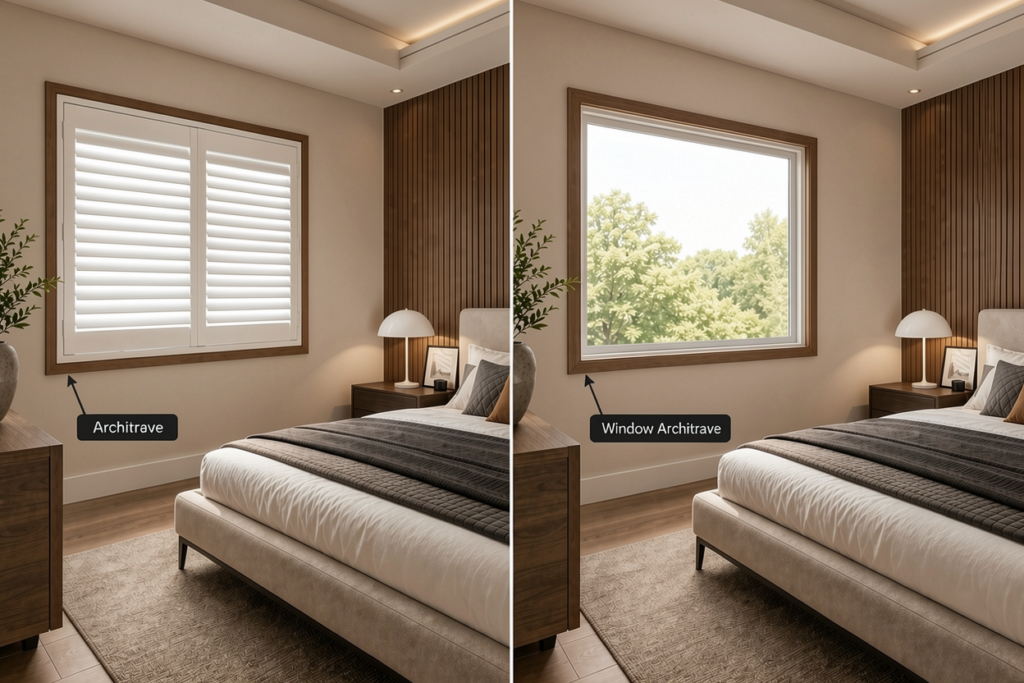
What kind of architrave do I have?
For shutter planning, most architraves can be grouped into three practical categories.
Bullnose architrave
A bullnose architrave has a relatively flat front face with a rounded outer edge. It normally works well with both inside and outside shutter mounting where sufficient clear surface is available.

Decorative architrave
Decorative trim contains grooves, steps or moulded profiles. An inside L-frame can be particularly useful because it leaves the decorative front face visible.

Square architrave
A square architrave has straight edges and a broad flat face. Its simple shape makes it one of the easiest architraves to work with for shutter installation.

How does each frame type work with an architrave?
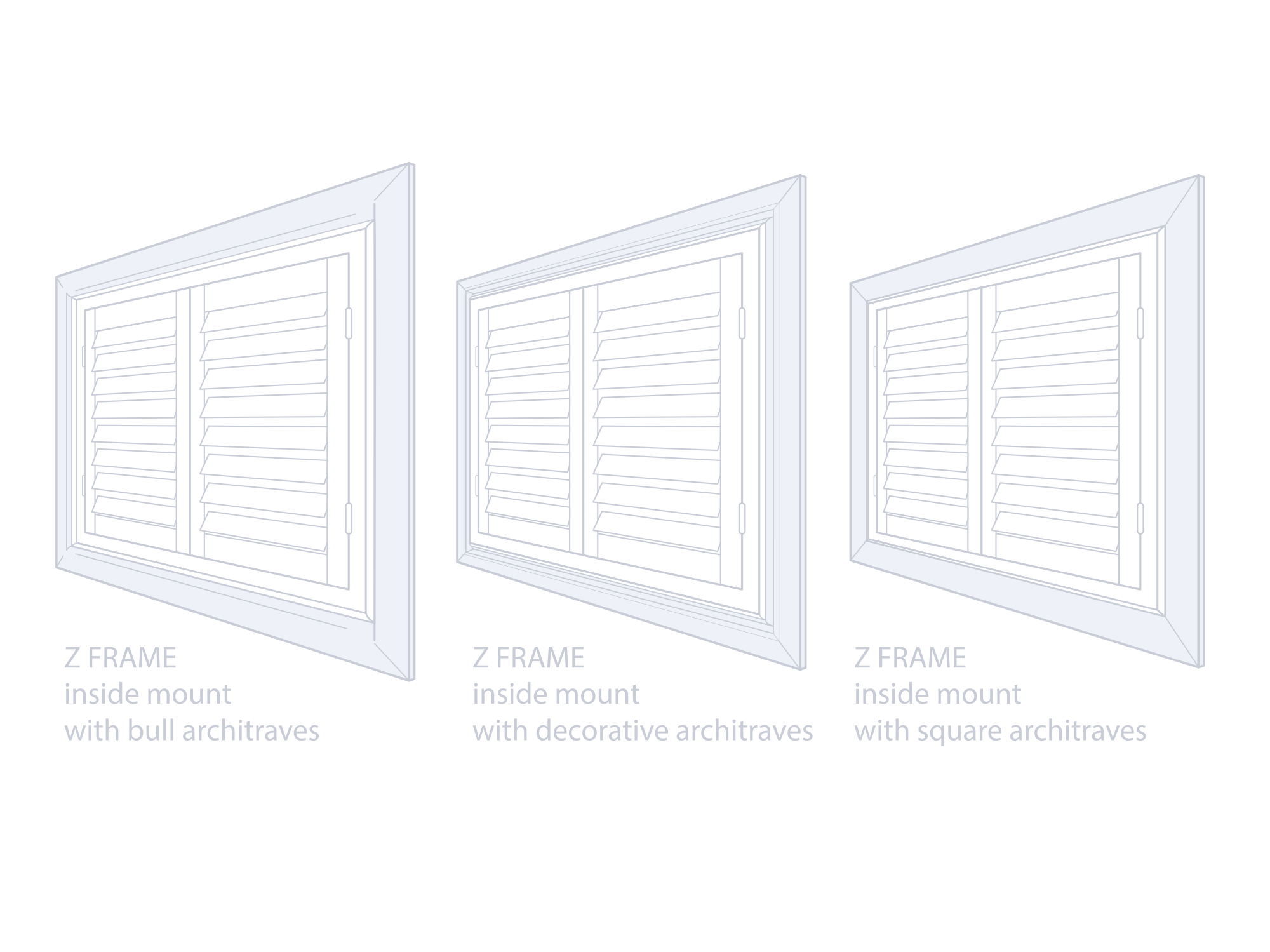
Z-frame with architraves
A Z-frame sits inside the recess and overlaps the front edge of the opening. It works particularly neatly with square and bullnose trim. With decorative architraves, check where the lip will land so it does not cover a moulded detail.
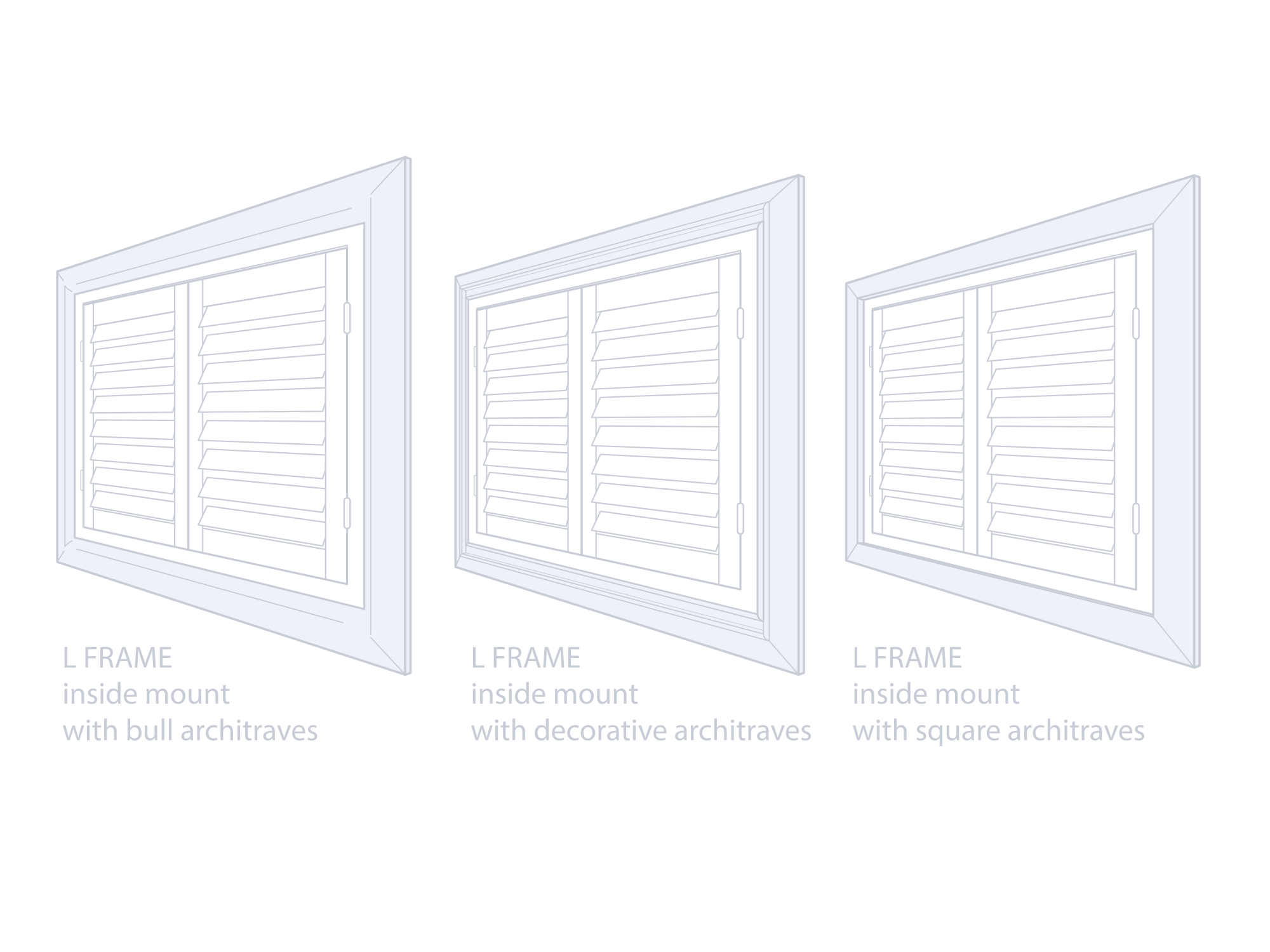
Inside L-frame with architraves
An inside L-frame stays within the recess, so it can work with virtually any architrave provided the recess has enough depth. It is especially useful when you want decorative trim to remain completely visible.
Outside L-frame with architraves
An outside L-frame fixes to the front face of the architrave. You therefore need a continuous flat band wide enough for secure fixing. Decorative trim can still be suitable if there is a flat central section.
Why is an architrave necessary?
The architrave is primarily a finishing element rather than a structural part of the window. It hides joints around the opening and gives the wall-to-window transition a deliberate, finished appearance.
For shutters, its practical importance is the surface it provides around the opening and how that surface interacts with the selected frame.
Was this article helpful?
Related articles
Still need a hand?
Send us your window measurements and photos if you are unsure about the right shutter setup.