
Browse Shutter Guide
General
- Our Plantation Shutters
- Imported vs Local Plantation Shutters
- Why Choose Plantation Shutters?
- How Much Do Plantation Shutters Cost?
- Where Did Plantation Shutters Originate?
- Plantation Shutters vs Blinds
- Choosing the Best Shutter Material
- Plantation Shutters for Kitchens
- Are PVC Shutters Safe?
- How to Photograph Your Windows
Performance
Care
Frames
- Complete Guide to Shutter Frame Types
- Inside Z-Frame
- Inside L-Frame
- Outside L-Frame
- What Is an Inside Mount?
- What Is an Outside Mount?
Customisation
- Choosing the Right Shutter Colour
- A Guide to Shutter Panels
- Choosing the Right Panel Configuration
- Should Shutters Match Your Window Trim?
Mounting
- Inside vs Outside Mount Plantation Shutters
- What Type of Window Do I Have?
- What Is a Window Recess?
- Should I Inside or Outside Mount My Shutters?
- A Guide to Architraves
- What Is a Window Sill?
Tricky Windows
Getting Started
- Quick Measuring for a Shutter Quote
- How to Measure a Window Recess for Shutters
- Complete Guide to Measuring for Plantation Shutters
Midrails
Custom Panels
Inside Mount
- How to Measure Your Window Recess
- Measuring for an Inside Mount
- Measuring an Inside Mount Window with a Sill
- Managing Window Obstructions
Outside Mount
- Measuring for an Outside Mount
- Outside Mount Measuring with a Decorative Architrave
- Outside Mount Measuring for a Square-Set Window
Corner & Bay Windows
Our Service
- Our Plantation Shutters
- Why My DIY Blinds?
- What Does Our Shutter Warranty Cover?
- Our Plantation Shutter Product Guarantee
Quotes
Ordering & Product Setup
- Getting Started with Your Shutter Order
- How Shutter Product Recommendations Work
- Uploading a Photo of Your Window
Delivery
- Where We Deliver Plantation Shutters
- How Your Plantation Shutters Are Delivered
- What to Expect on Delivery Day
Measure Guarantee
Self Review
A Guide to Shutter Panels
A plantation shutter is divided into one or more hinged panels. The number of panels affects the appearance of the shutter, how it opens and where the vertical panel lines sit in relation to the window.
In this article
Wider windows require multiple panels so that each panel remains within the permitted manufacturing width. As a general design rule, we recommend aligning shutter panel divisions with the main vertical sections of your existing window wherever practical.
How will my panels be configured?
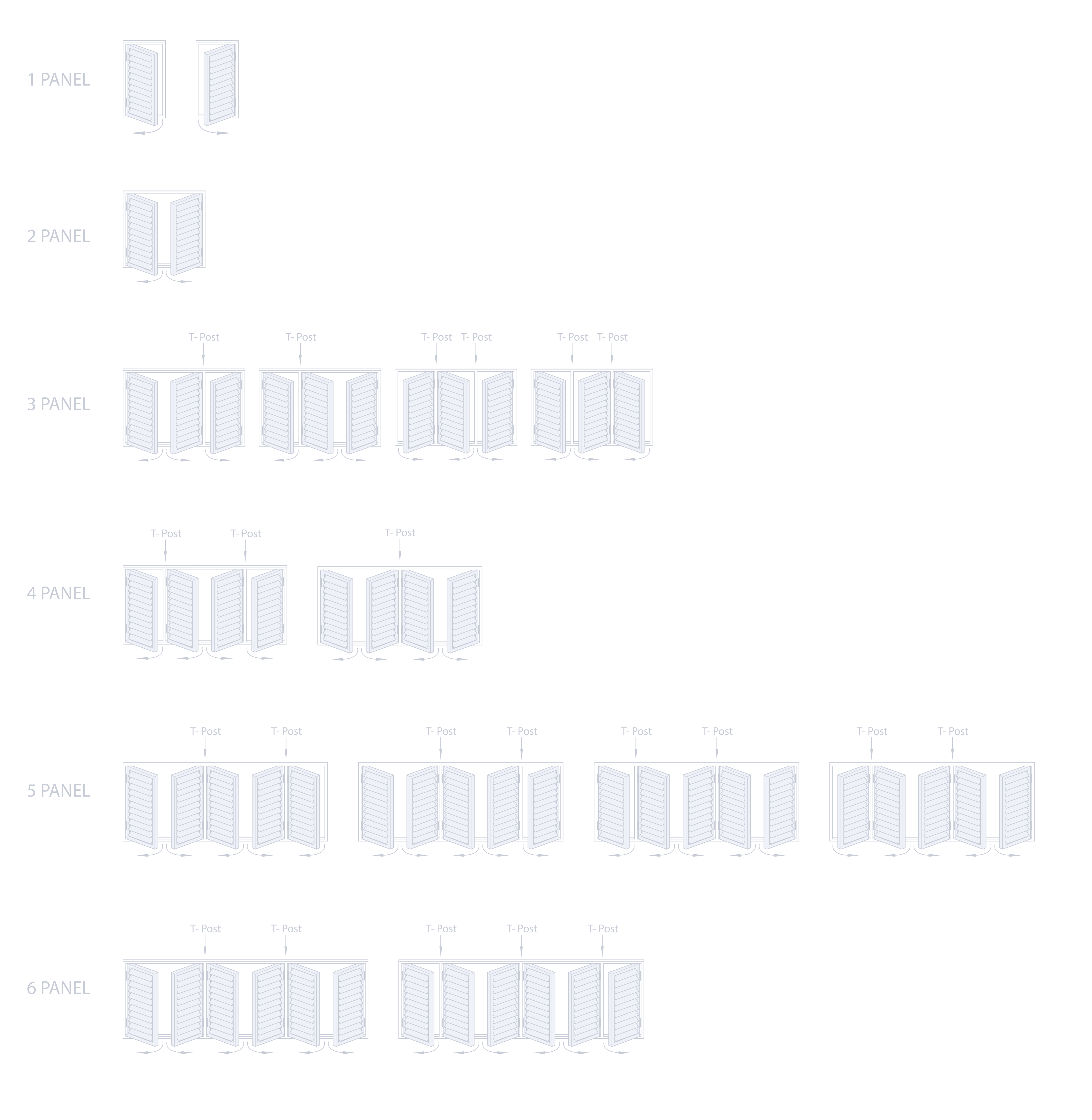
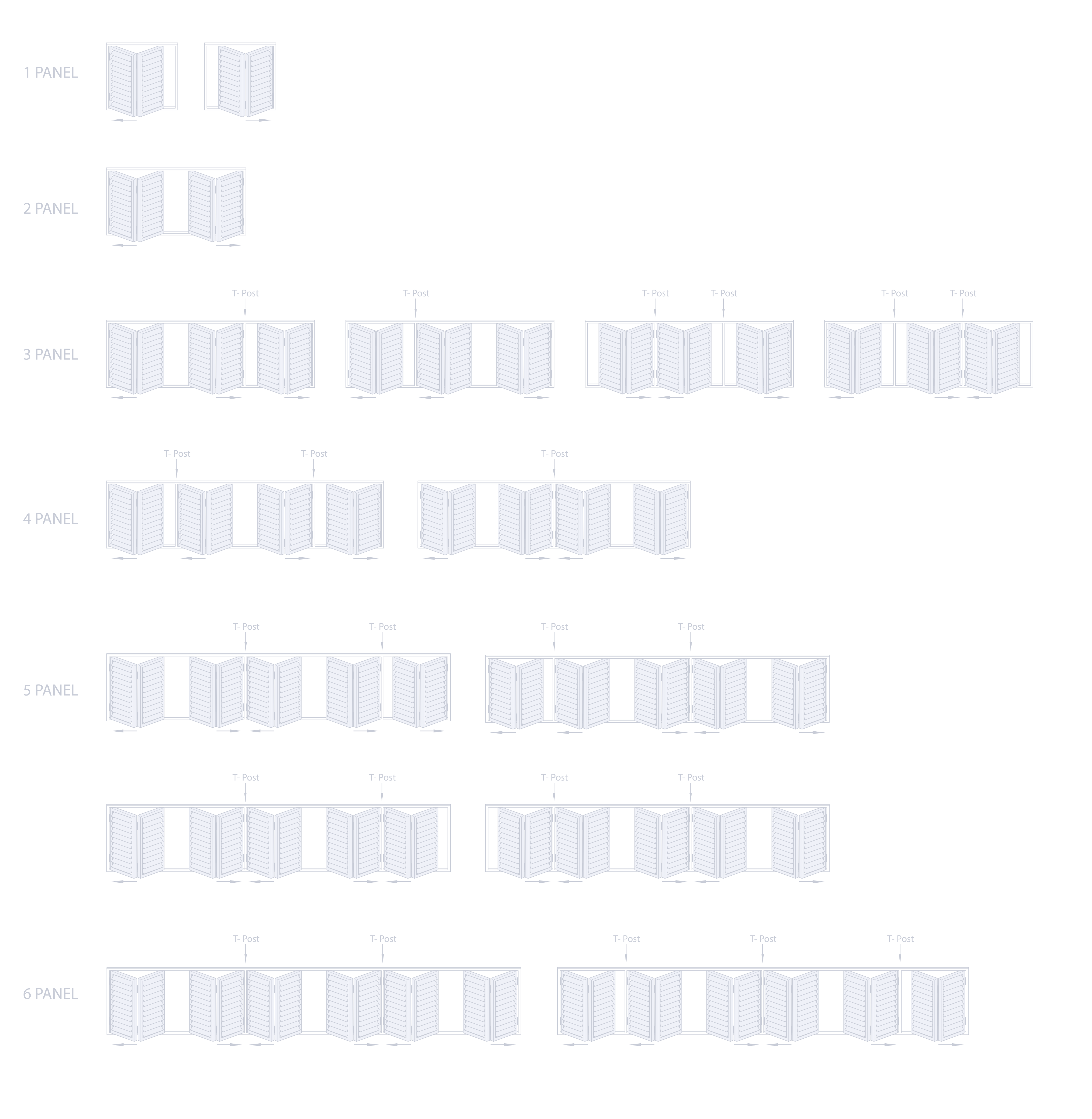
A single panel can be hinged from the left or right. With two panels that meet together, the meeting edge is shaped to create a neat overlap and reduce the visible gap between them.
Another option is a T-post, a fixed vertical member between panels. T-posts can be useful when you want the shutter divisions to line up with a vertical mullion in the window or when the overall width requires additional support.
Click to view expanded panel layout images.
How many panels?
The correct number is mainly determined by the window width and the maximum permitted panel size, but appearance matters too. Fewer, wider panels can reduce vertical lines, while tall windows can sometimes look more balanced with narrower panels.
When ordering several shutters, look at the original window layout rather than treating each opening as a blank rectangle. Matching the shutter divisions to the window often produces the most integrated result.
Was this article helpful?
Related articles
Still need a hand?
Send us your window measurements and photos if you are unsure about the right shutter setup.