
Browse Shutter Guide
General
- Our Plantation Shutters
- Imported vs Local Plantation Shutters
- Why Choose Plantation Shutters?
- How Much Do Plantation Shutters Cost?
- Where Did Plantation Shutters Originate?
- Plantation Shutters vs Blinds
- Choosing the Best Shutter Material
- Plantation Shutters for Kitchens
- Are PVC Shutters Safe?
- How to Photograph Your Windows
Performance
Care
Frames
- Complete Guide to Shutter Frame Types
- Inside Z-Frame
- Inside L-Frame
- Outside L-Frame
- What Is an Inside Mount?
- What Is an Outside Mount?
Customisation
- Choosing the Right Shutter Colour
- A Guide to Shutter Panels
- Choosing the Right Panel Configuration
- Should Shutters Match Your Window Trim?
Mounting
- Inside vs Outside Mount Plantation Shutters
- What Type of Window Do I Have?
- What Is a Window Recess?
- Should I Inside or Outside Mount My Shutters?
- A Guide to Architraves
- What Is a Window Sill?
Tricky Windows
Getting Started
- Quick Measuring for a Shutter Quote
- How to Measure a Window Recess for Shutters
- Complete Guide to Measuring for Plantation Shutters
Midrails
Custom Panels
Inside Mount
- How to Measure Your Window Recess
- Measuring for an Inside Mount
- Measuring an Inside Mount Window with a Sill
- Managing Window Obstructions
Outside Mount
- Measuring for an Outside Mount
- Outside Mount Measuring with a Decorative Architrave
- Outside Mount Measuring for a Square-Set Window
Corner & Bay Windows
Our Service
- Our Plantation Shutters
- Why My DIY Blinds?
- What Does Our Shutter Warranty Cover?
- Our Plantation Shutter Product Guarantee
Quotes
Ordering & Product Setup
- Getting Started with Your Shutter Order
- How Shutter Product Recommendations Work
- Uploading a Photo of Your Window
Delivery
- Where We Deliver Plantation Shutters
- How Your Plantation Shutters Are Delivered
- What to Expect on Delivery Day
Measure Guarantee
Self Review
Complete Guide to Measuring for Plantation Shutters
Measuring for plantation shutters is straightforward once you work through the window in the right order. Before taking your final width and drop measurements, first identify the style of the window, check the available recess depth, note any architraves or sills, and decide whether the shutter will be fitted as an inside or outside mount.
This complete guide covers the window type, recess, architrave, sill, inside and outside mounting, obstructions, all four common inside-mount measuring situations, all four common outside-mount situations, panel widths, custom panel positions and midrails.
Our Design Centre is designed to make these decisions easier as you work through your shutter order. If you are unsure about your window type, mounting method or an obstruction, take a clear photo of the entire window and send it to us before ordering.
In this guide
- What Style of Window Do I Have?
- Does My Window Have a Recess?
- Do I Have an Architrave?
- Does My Window Have a Sill?
- Inside vs Outside Mount
- Should I Inside or Outside Mount My Shutter?
- How to Measure a Recess
- Measuring Around Obstructions
- Measuring for an Inside Mount
- Measuring Inside Mount for a Square-Set Window
- Measuring Inside Mount for a Window with an Architrave
- Measuring Inside Mount for a Square-Set Window with a Sill
- Measuring Inside Mount for a Window with a Sill and Architrave
- Measuring for an Outside Mount
- Measuring Outside Mount for a Square-Set Window
- Measuring Outside Mount with an Architrave
- Measuring Outside Mount for a Window with a Sill
- Measuring Outside Mount for a Window with a Sill and Architrave
- Measuring Panels
- What If I Require Multiple Panels but Have Uneven Window Panes?
- Measuring Custom Panel Widths
- Measuring for Midrails
- Measuring the Position of Your Midrail
For Recess Mounts: Check your recess depth before measuring
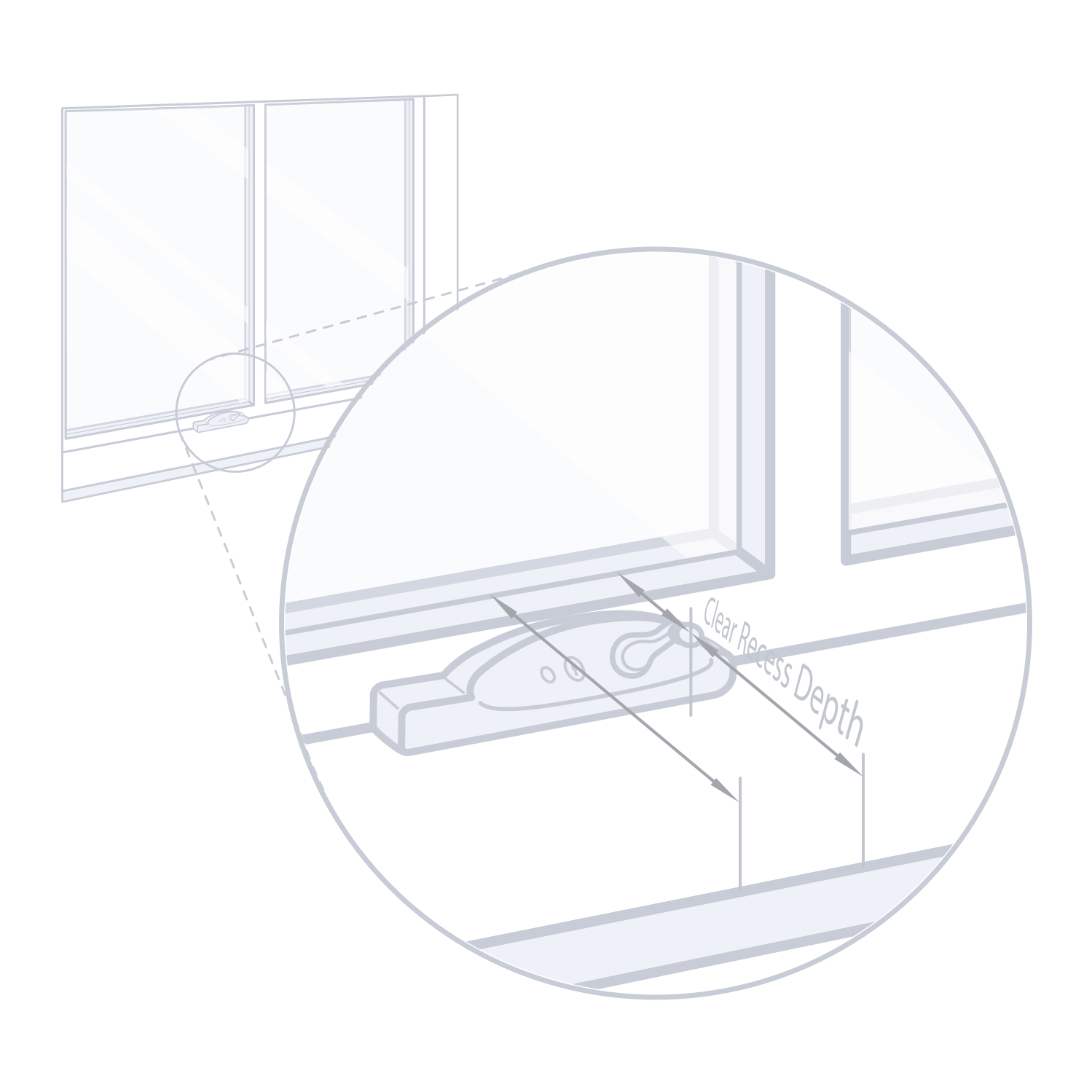
As a simple guide, allow approximately 70mm of clear recess depth for an inside-mounted plantation shutter. Check the shallowest usable depth and measure to the first obstruction that could interfere with the shutter, such as a handle, winder, lock, key, flyscreen or other window fitting.
If you have around 70mm or more of clear space, you can generally continue with the inside-mount measuring instructions.
Have less than 70mm, or an obstruction in the recess? An inside mount may still be possible depending on the frame choice and where the obstruction sits. See our Managing Window Obstructions guide for the detailed clearance requirements.
What Style of Window Do I Have?
Before measuring your shutters, identify how the window and surrounding trim are constructed. The correct measuring points change depending on whether the opening is square-set, has an architrave, includes a projecting sill, or combines several of these features.
Stand back and look at the complete window. Check where the glass and window frame sit in relation to the wall, whether there is a finished recess around the opening, whether decorative trim surrounds the window, and whether the bottom of the opening forms a sill.
If you are unsure which description matches your window, see our window type guide before continuing.
Does My Window Have a Recess?
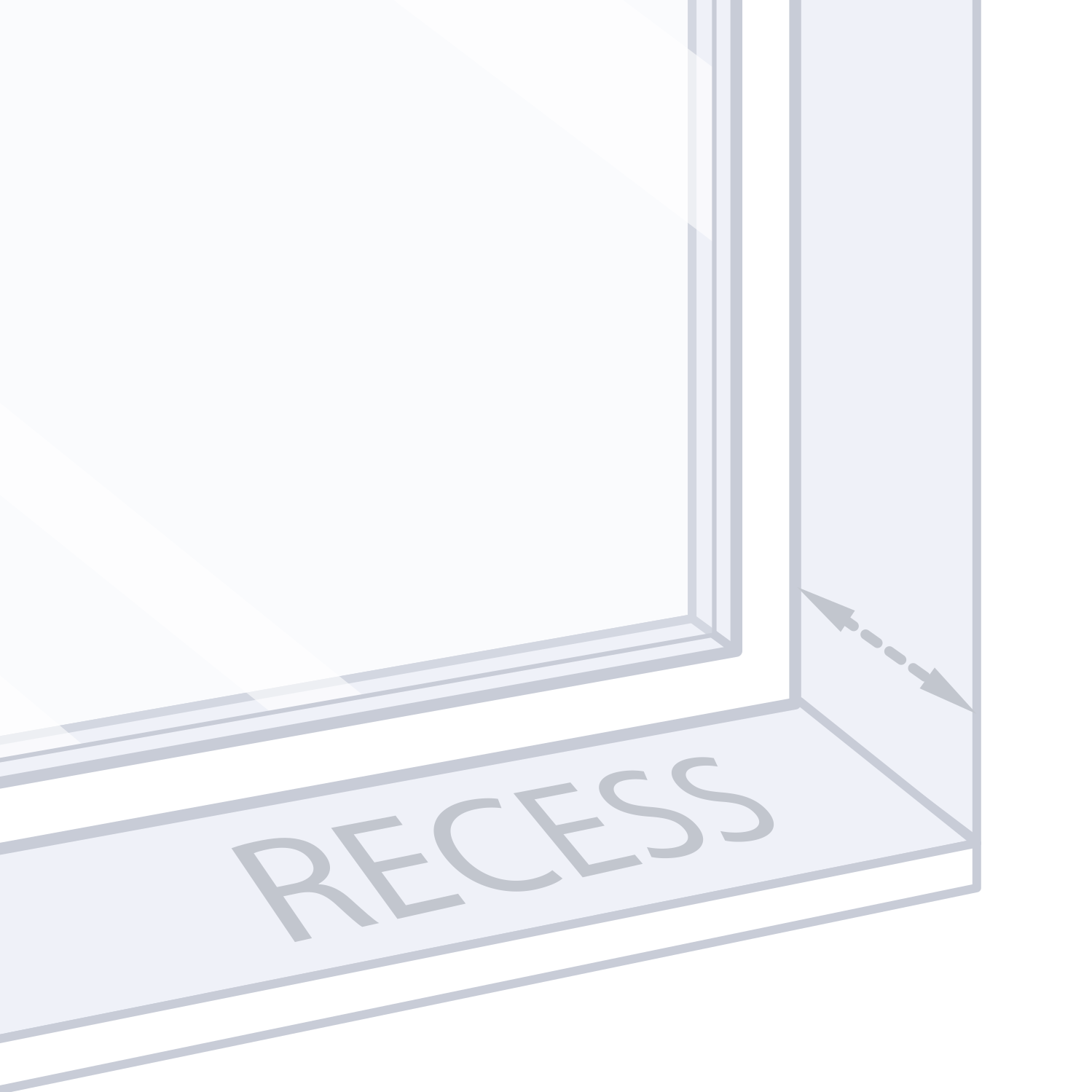
A window recess is the space between the face of the wall and the window itself. If the window sits back inside the wall opening, the distance from the front wall to the window creates the recess.
The recess is important because it may provide enough room to install the shutter frame inside the opening. The usable depth is not always the full physical depth of the recess — handles, winders, locks, keys, flyscreens and other fittings can reduce the amount of clear space available.
For more detail, see What Is a Window Recess?

Do I Have an Architrave?
An architrave is the trim that runs around the outside of a window opening. It creates a finished border between the window and the surrounding wall and may be flat, stepped, rounded or decorative.
Architraves matter when measuring because an outside-mount shutter can often be fitted directly to the architrave. In that situation, your measurement reference points are normally the outer edges of the architrave rather than the inside edges of the window opening.
If you are not sure whether your window trim should be treated as an architrave, see our Guide to Architraves.



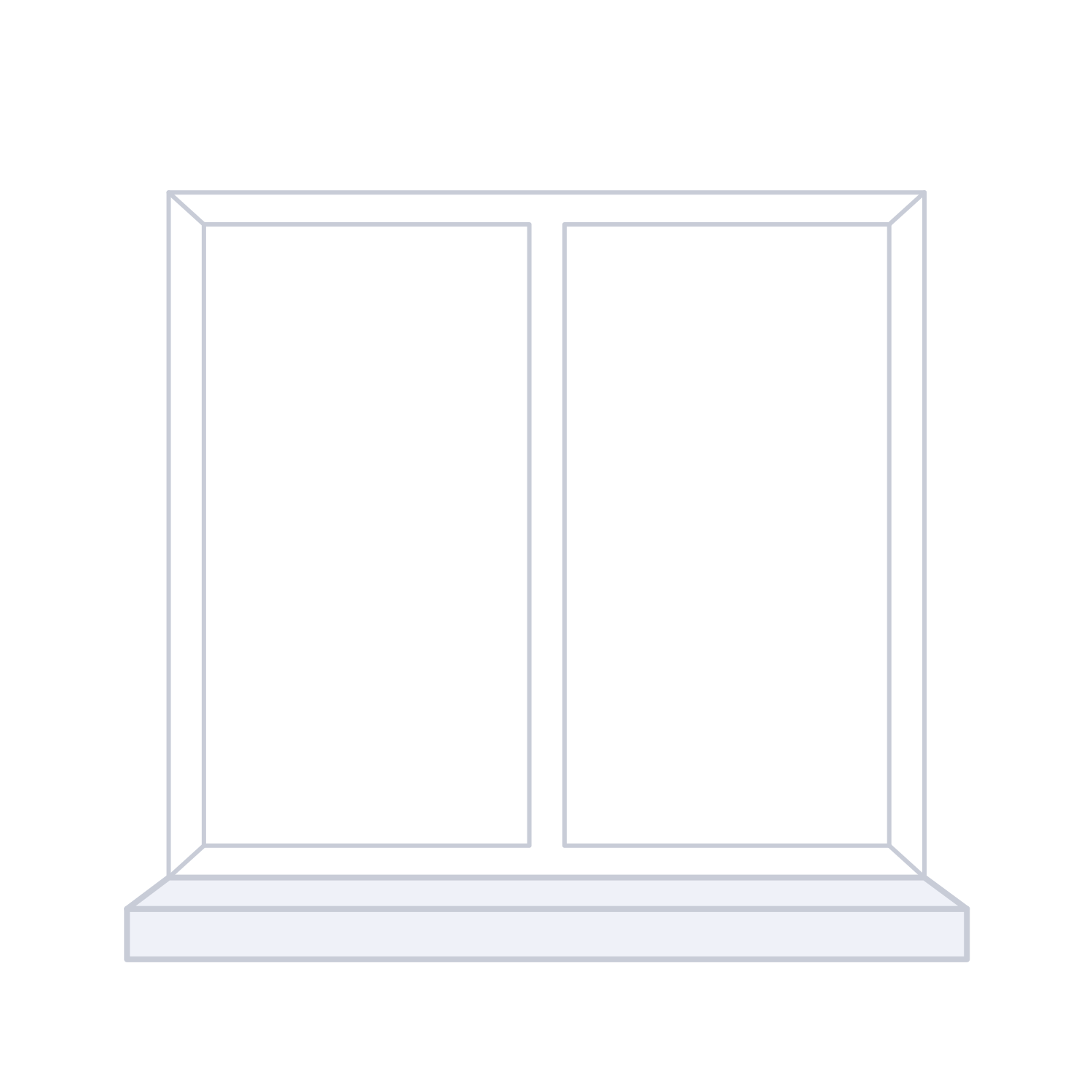
Does My Window Have a Sill?
A window sill is the ledge at the bottom of the window. It usually projects beyond the wall or architrave and changes the point from which the shutter height should be measured.
When a sill is present, do not automatically measure to the bottom of the wall opening or architrave. Depending on the mounting method, the bottom of the shutter may sit on or immediately above the top surface of the sill.
See What Is a Window Sill? if you need help identifying the sill or deciding which surface should be used as the lower measuring point.
Inside vs Outside Mount
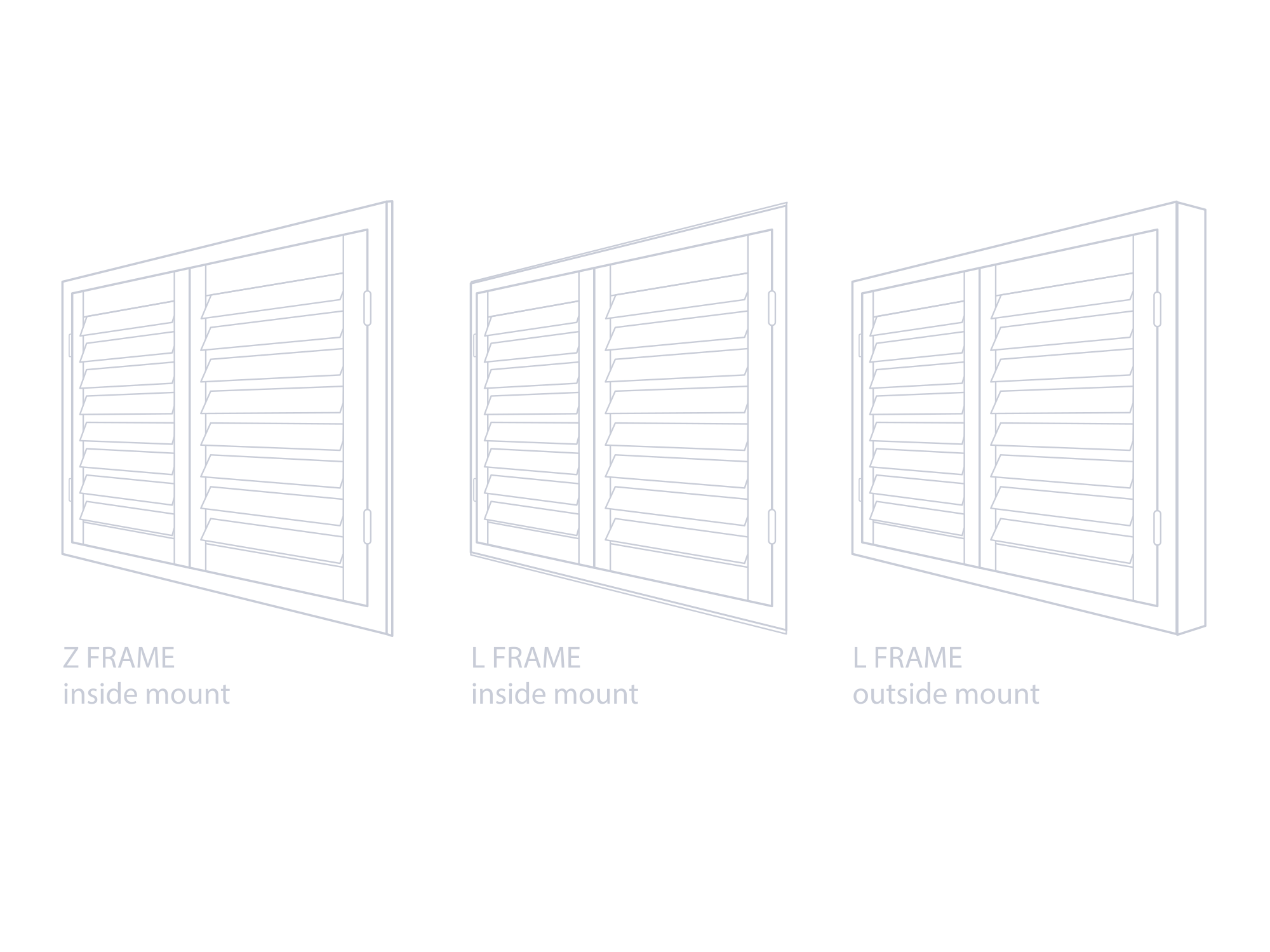
Once you know the window type, decide whether the shutter frame will sit inside the window recess or outside the opening. The shutter panels operate in the same general way, but the frame location changes both the finished appearance and the measurements you need to provide.
- Inside mount: the shutter frame is installed within the recess.
- Outside mount: the shutter frame is installed onto the architrave or wall around the opening.
See our full Inside vs Outside Mount Plantation Shutters guide for a detailed comparison.
Should I Inside or Outside Mount My Shutter?
The best mounting method is determined by the shape of the opening, the available clear depth and the location of any window hardware.
An inside mount generally works best when the recess has enough unobstructed depth for the selected shutter frame and for the louvres to operate without contacting handles, locks, winders, flyscreens or other fittings. An outside mount is often the better option where the recess is shallow, heavily obstructed or difficult to fit cleanly.
Check the Managing Window Obstructions guide for the exact clearance relevant to your window.
How to Measure a Recess
To measure the depth of a window recess, measure from the window towards the front face of the wall. The measurement that matters is the shallowest usable depth, not simply the deepest part of the opening.
Check several areas because the window, plaster and trim may not sit perfectly parallel. If the recess contains window hardware, measure to the point of the obstruction that projects furthest into the available space.
Measuring Around Obstructions
When an obstruction projects into the recess, measure the recess and the obstruction separately so you know how much clear space remains.
- Measure from the window to the point of the obstruction that projects furthest forward.
- Measure from the same starting point at the window to the front edge of the recess.
- Subtract the obstruction measurement from the full recess measurement.
The result is your clear depth behind the proposed shutter. Compare it with the diagrams and highlighted figures in our Managing Window Obstructions guide.
Find the front reference point
Measure from the front face of the recess inward toward the window. Use the same reference plane around the whole opening.
Examples of obstructions

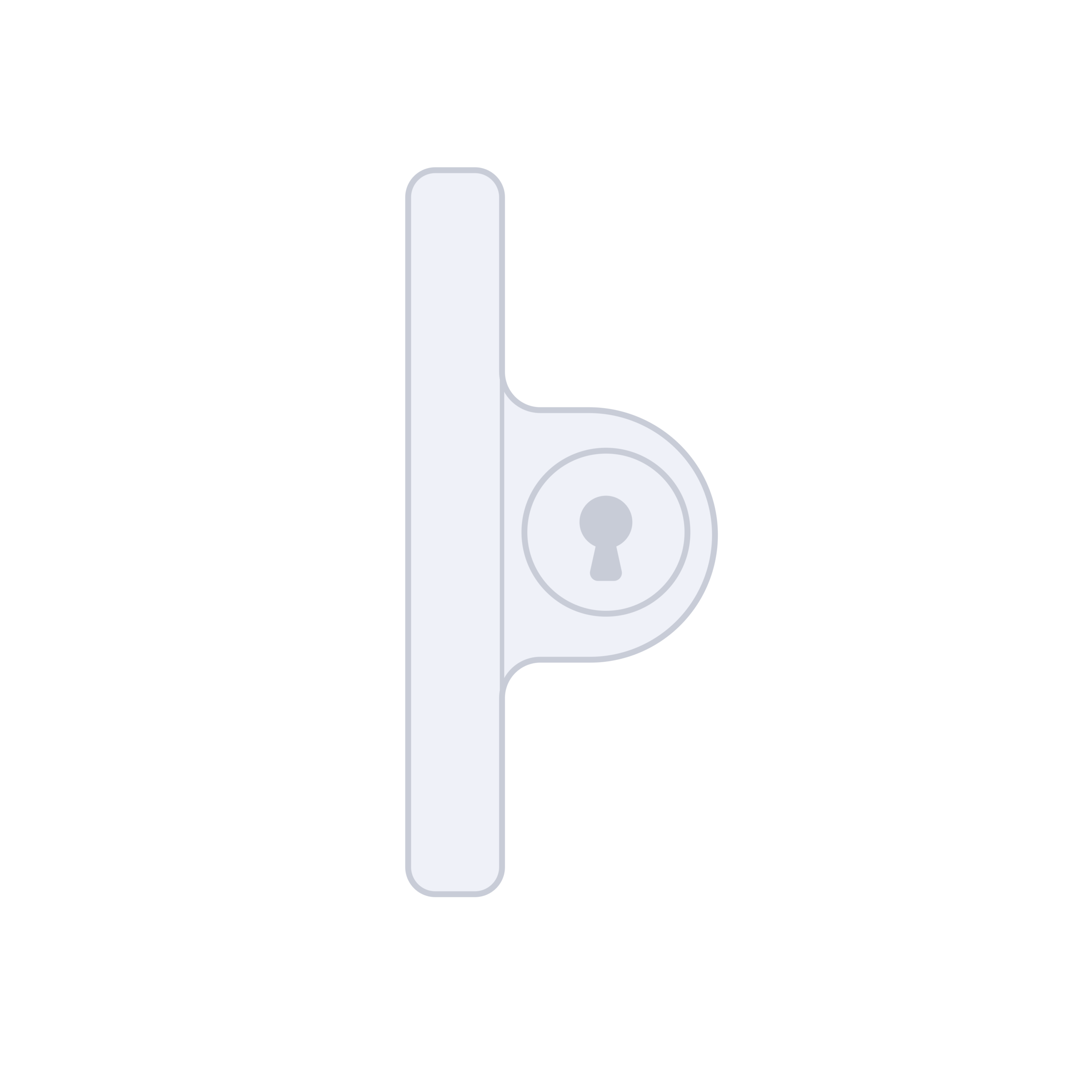
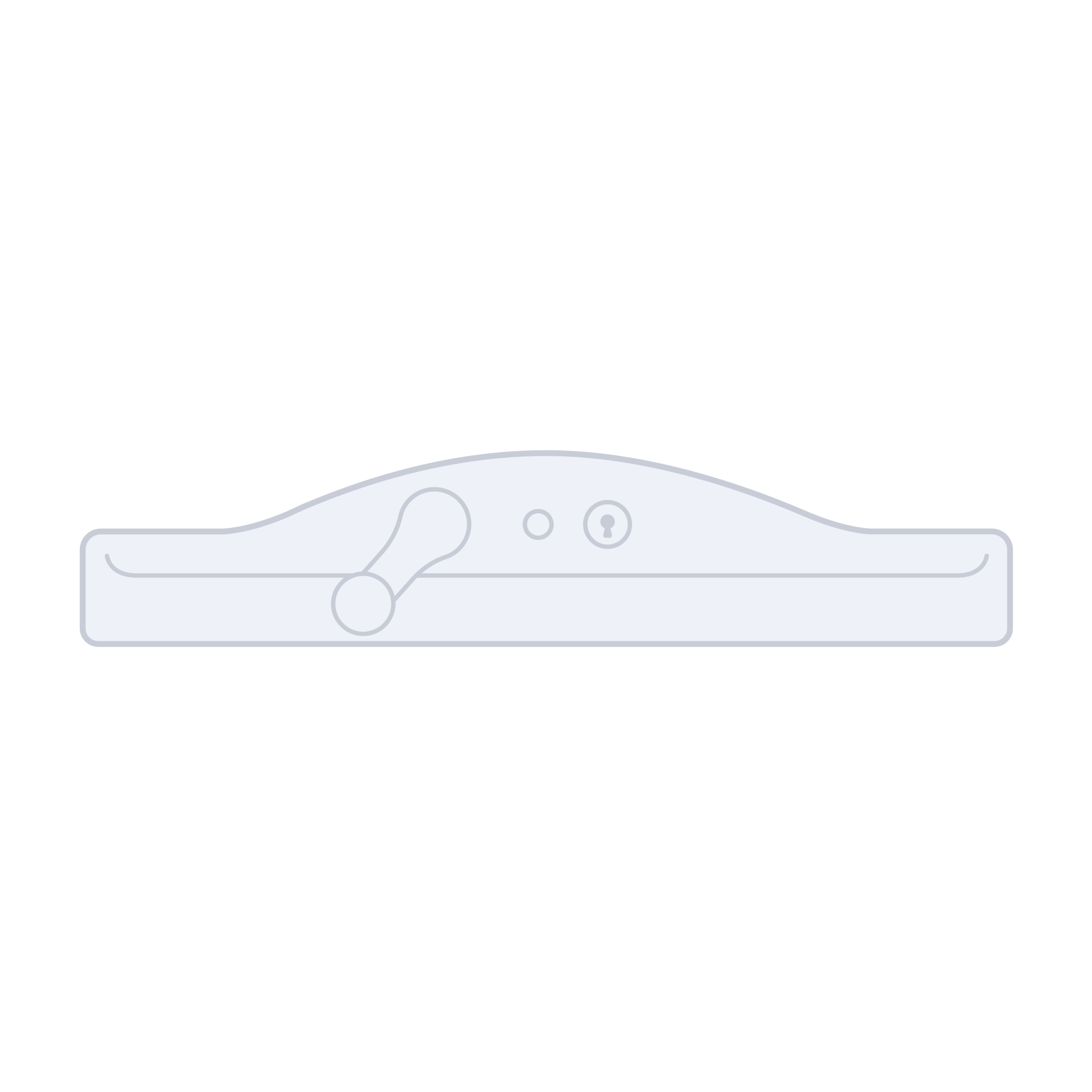
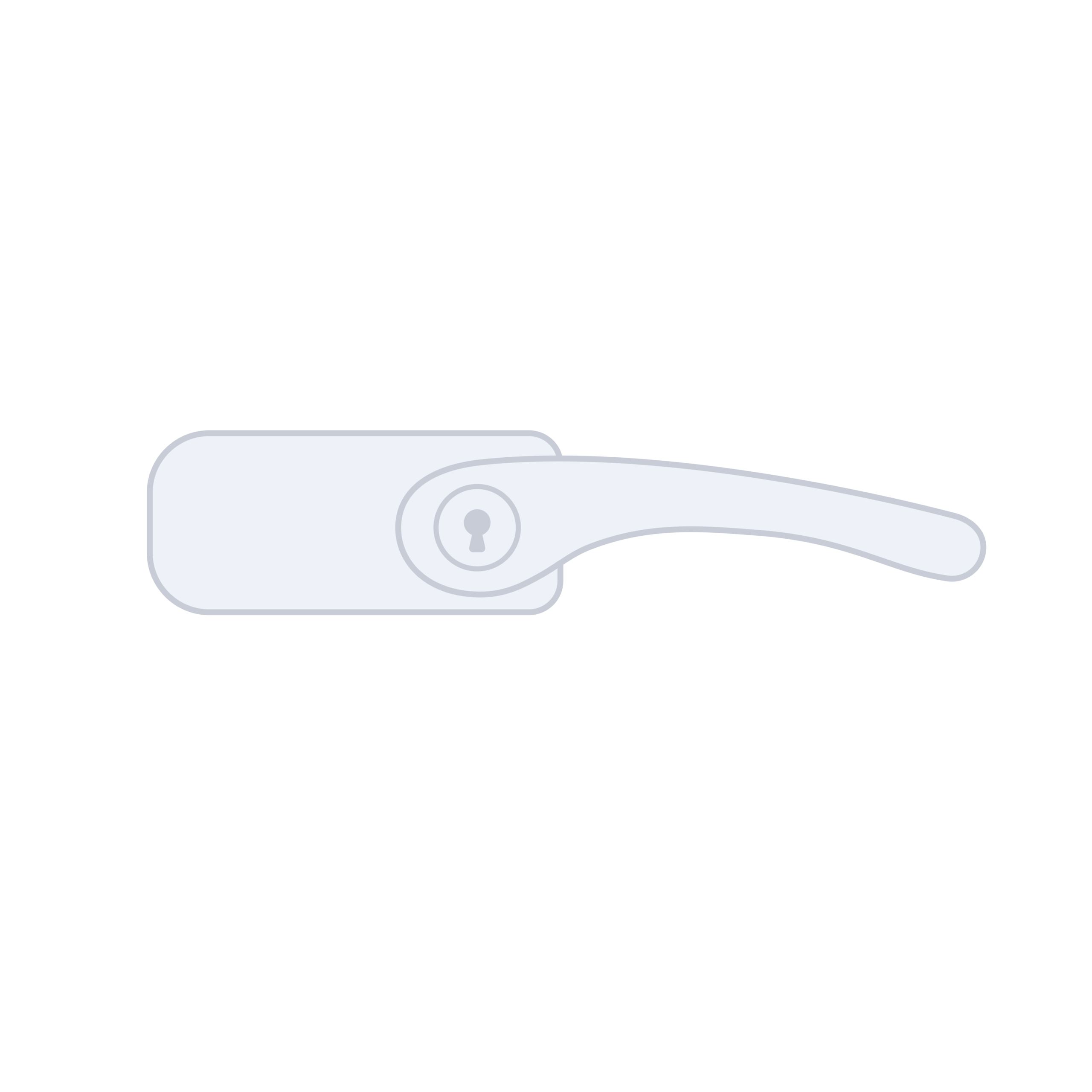
Security boxes, locks, winders, and handles.
Measure to the first obstruction
Stop at the first handle, lock, flyscreen, mullion or moving window part that could conflict with the shutter. This is the usable depth.
Check several locations
Measure near the top, centre and bottom on both sides. Use the shallowest clear measurement when checking frame suitability.
Operate the window
Open the sash and use the handle or winder. Make sure the moving parts do not enter the space you are counting as clear depth.
Measuring for an Inside Mount
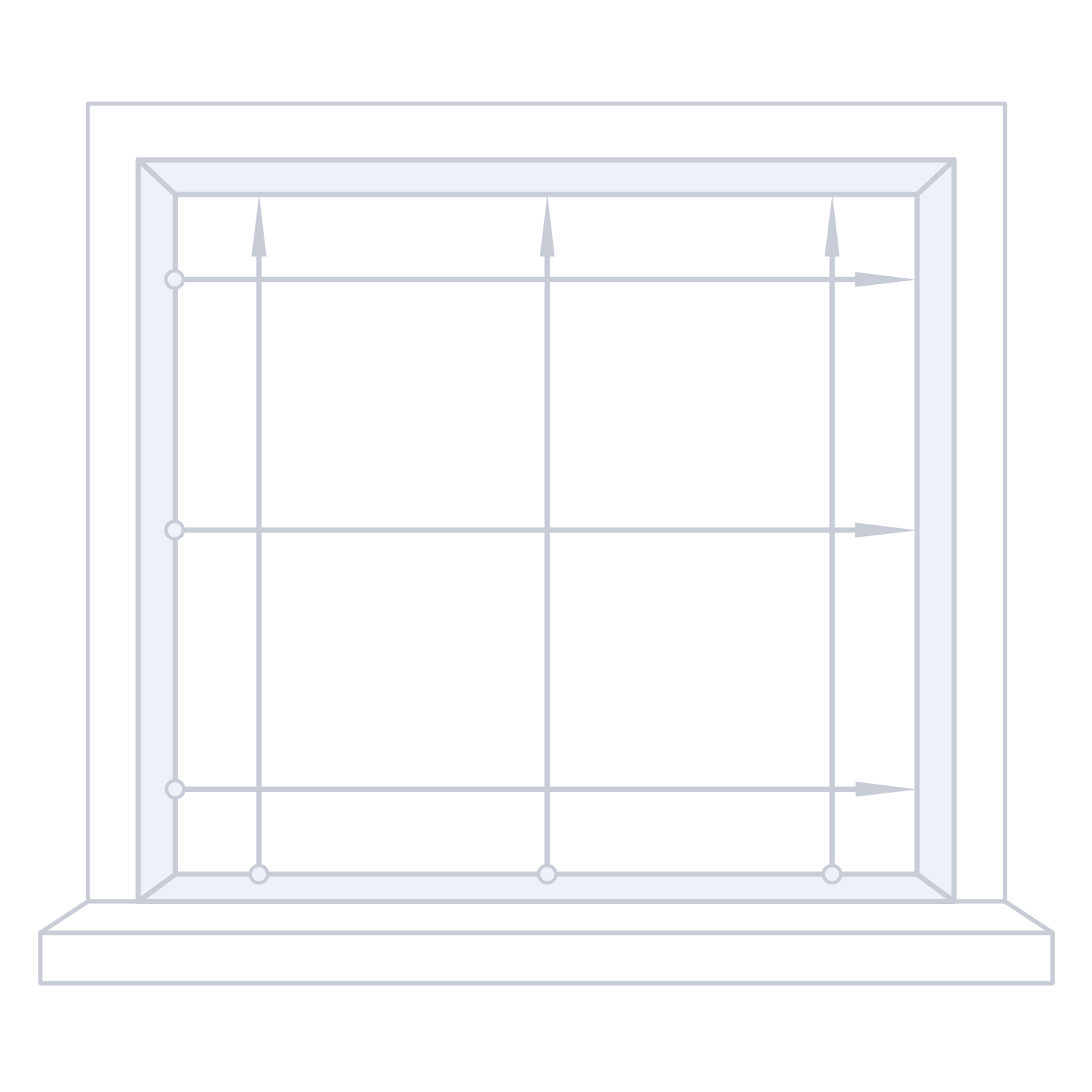
Once you have confirmed that an inside mount is suitable, take the final shutter width and drop measurements. Windows are rarely perfectly square, so measure in multiple positions rather than relying on one width and one height.
You will need a metal tape measure, something to record each measurement and a pen or pencil. Do not make your own manufacturing deductions.
Measuring Inside Mount for a Square-Set Window
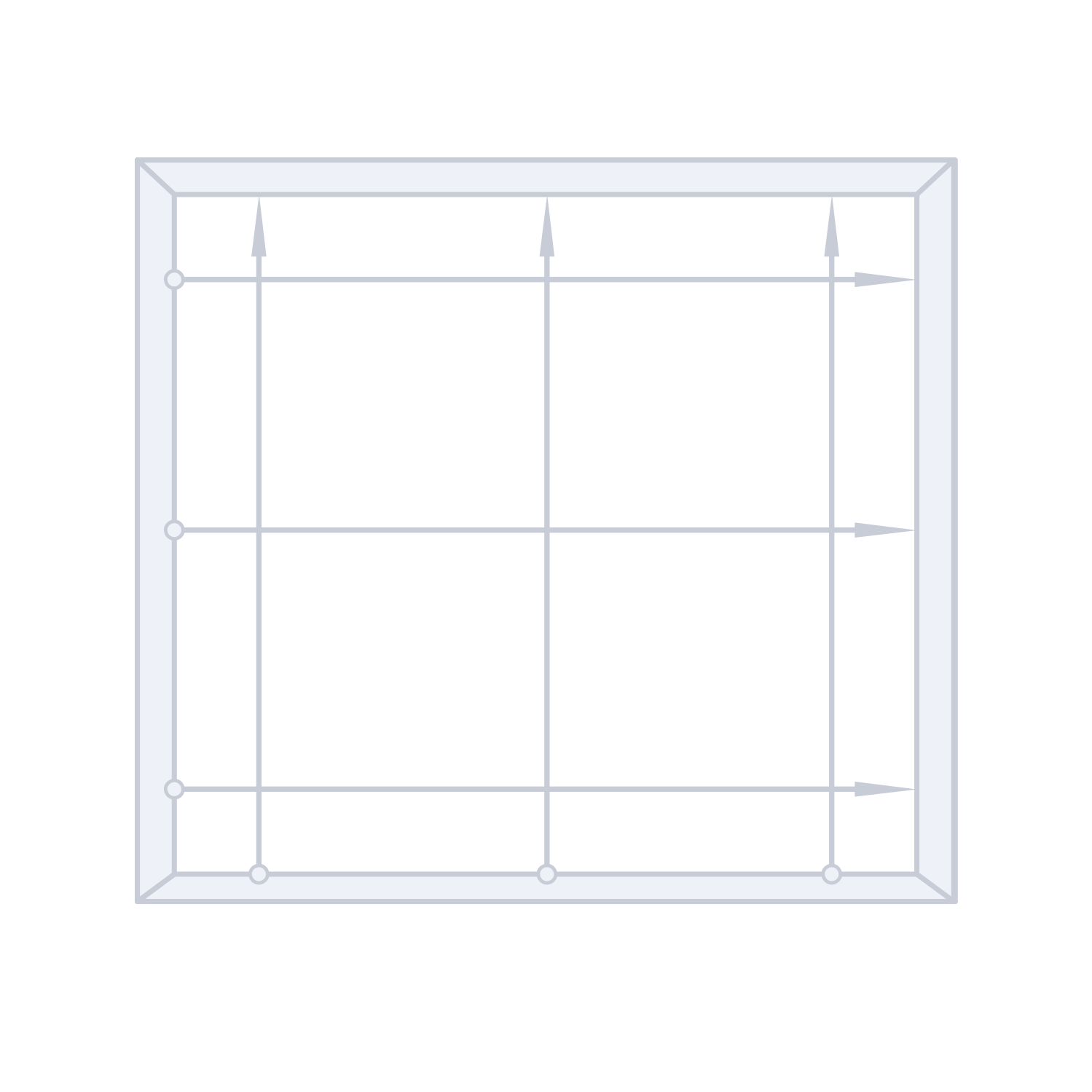
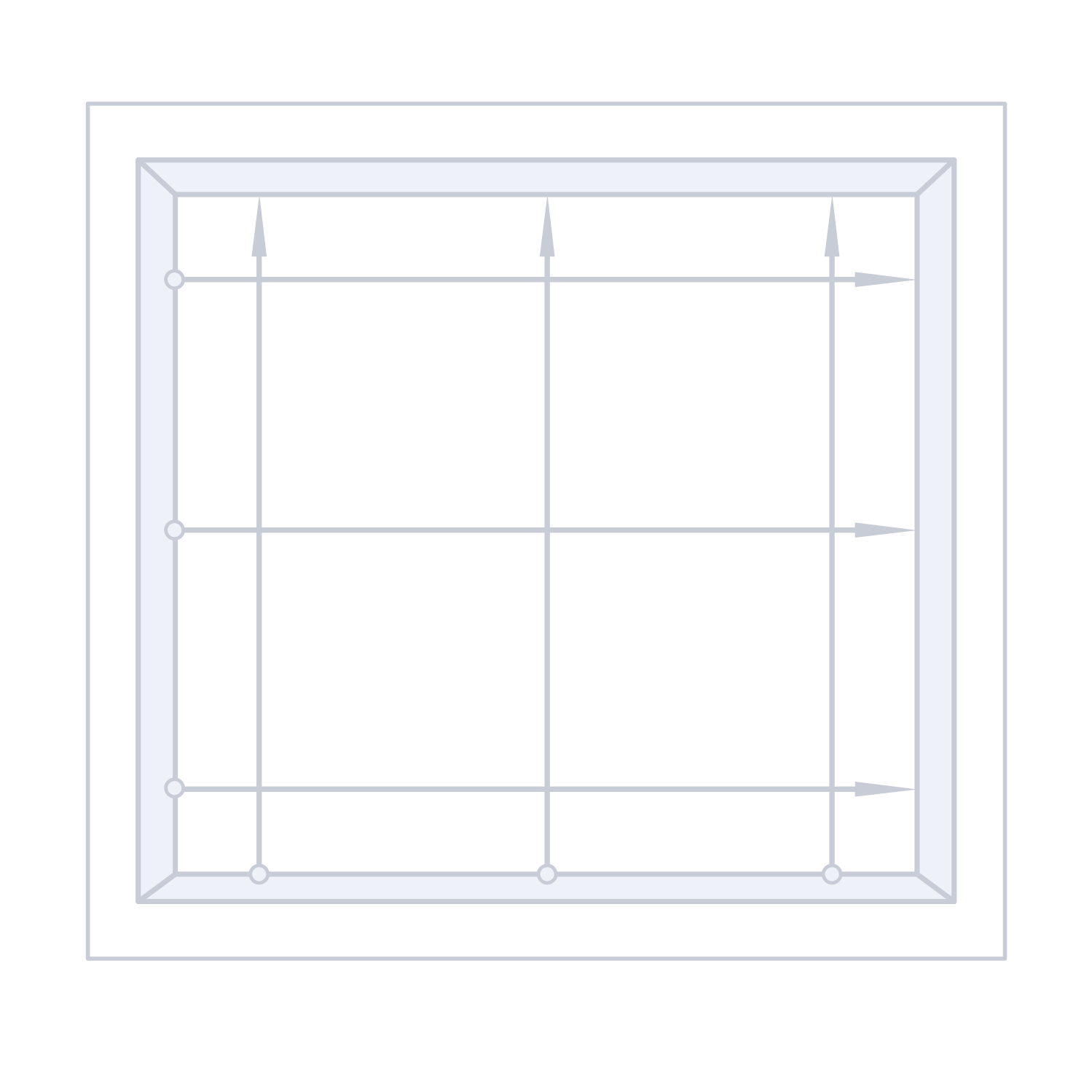
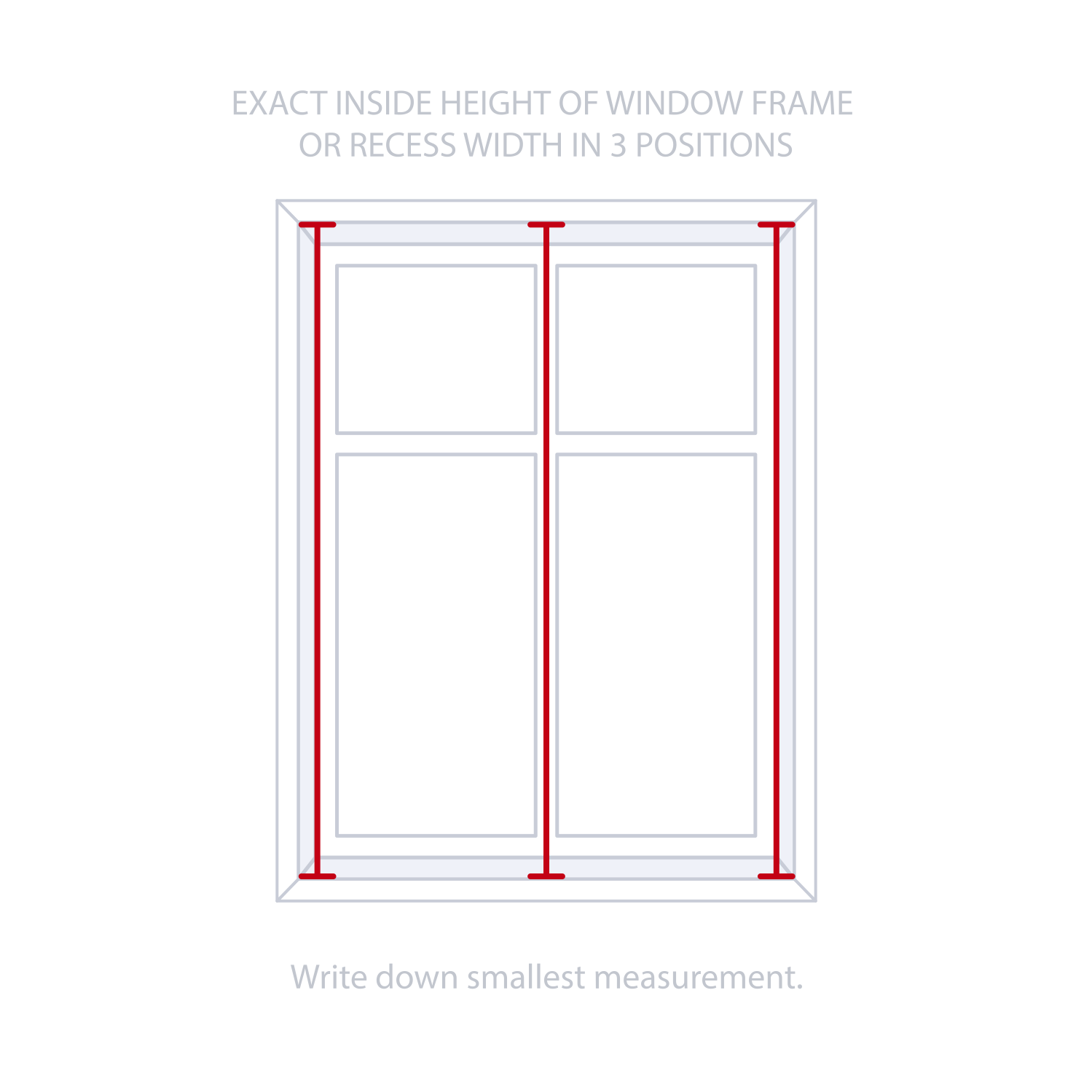
- Measure the drop in three places: left, centre and right.
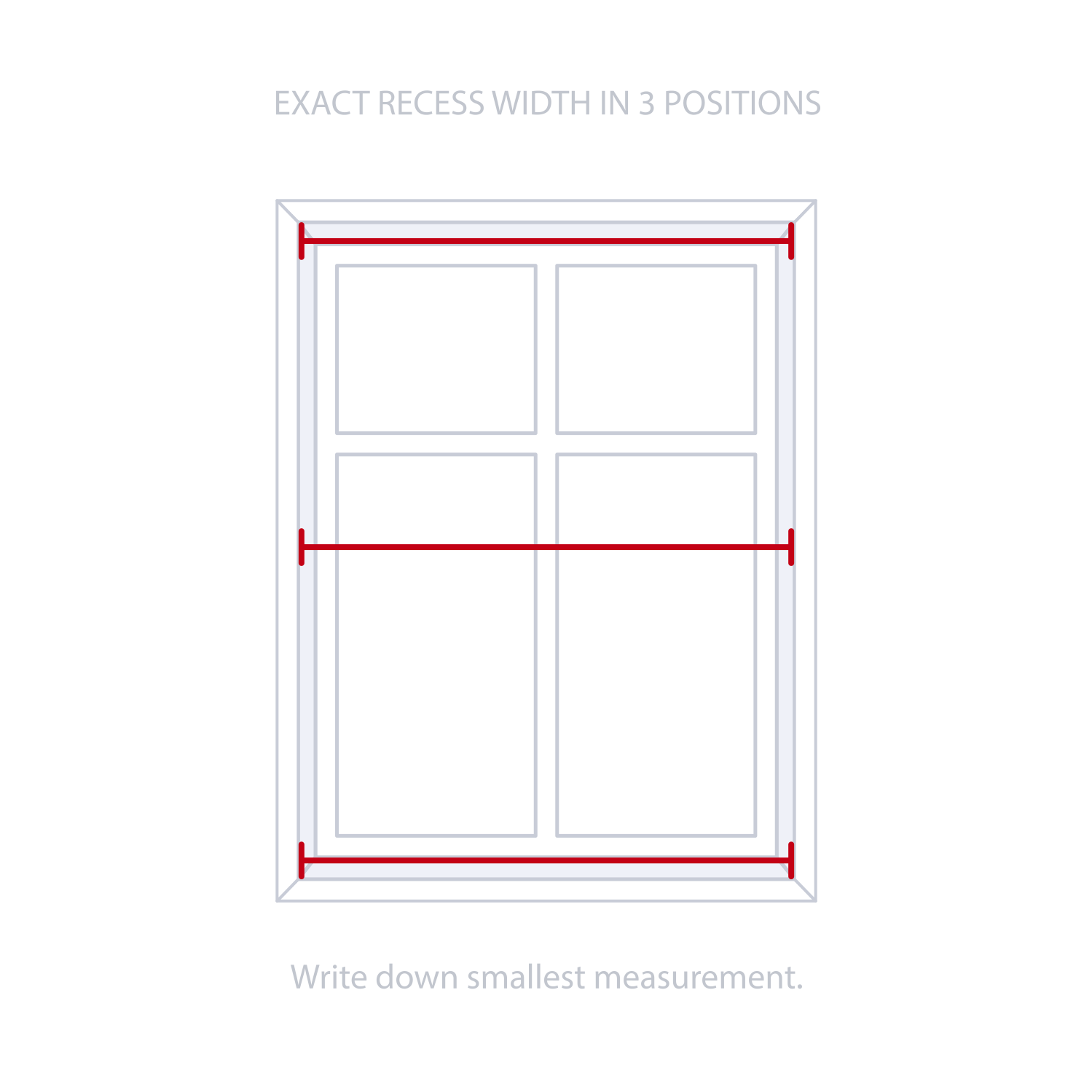
- Measure the width in three places: top, middle and bottom.
- Use the smallest width and smallest drop.
Measuring Inside Mount for a Window with an Architrave
The architrave does not become the measuring point for an inside mount. Measure the opening inside the recess.
- Measure the drop in three places.
- Measure the width in three places.
- Use the smallest width and smallest drop.
Measuring Inside Mount for a Square-Set Window with a Sill
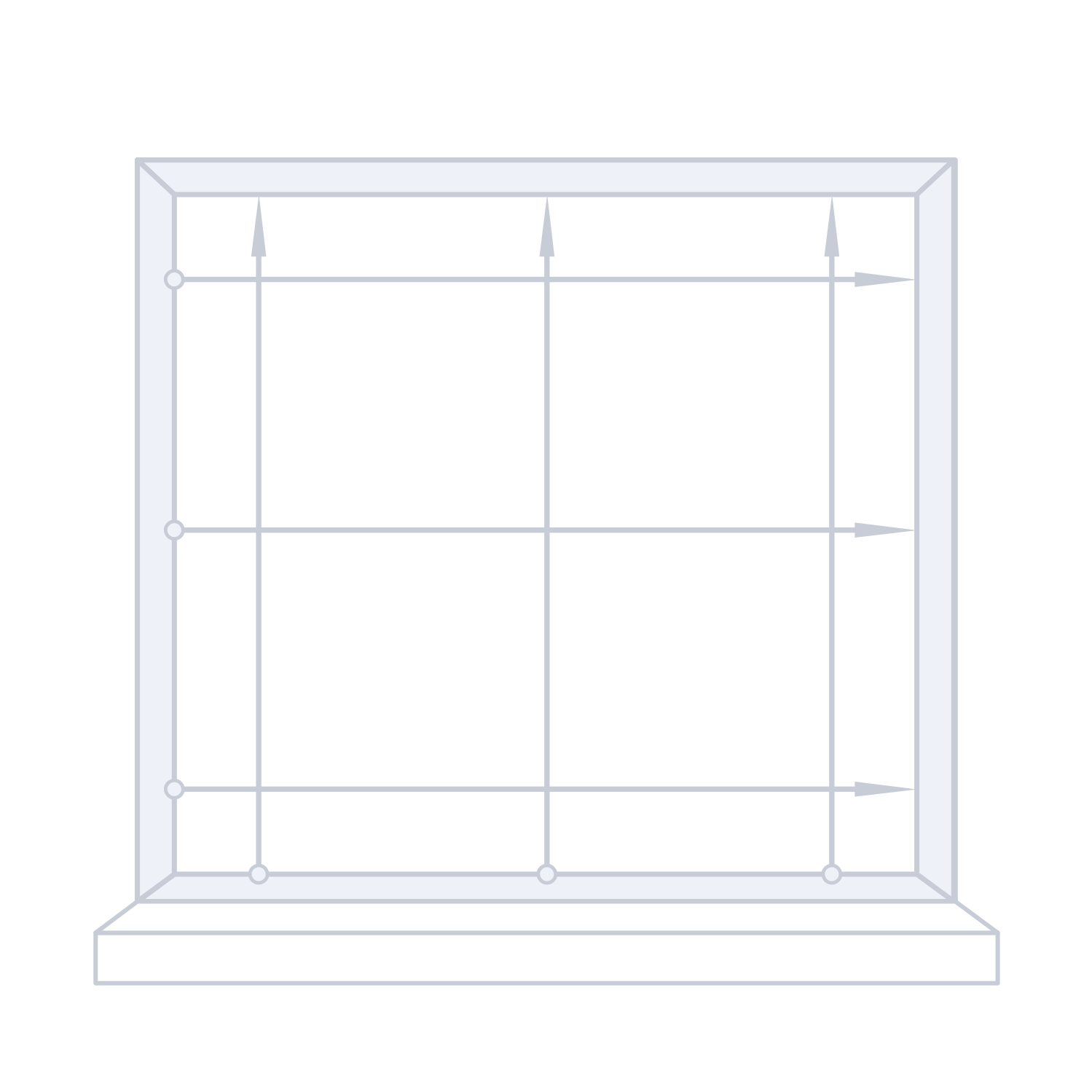
- Measure the drop in three places from the top surface of the sill to the inside top of the recess.
- Measure the width in three places inside the recess.
- Use the smallest width and smallest drop.
Measuring Inside Mount for a Window with a Sill and Architrave
- Measure the drop in three places from the top of the sill to the inside top of the recess.
- Measure the width in three places inside the recess.
- Use the smallest width and smallest drop.
Measuring for an Outside Mount
Outside-mount shutters are fitted around the window opening rather than inside the recess. The correct measuring points depend on whether the window is square-set, has an architrave, includes a sill, or combines an architrave and sill.
The relevant outside-mount instructions below generally use the largest of the three measurements so the opening is fully covered.
Measuring Outside Mount for a Square-Set Window
A Square-Set window is an opening without a timber frame (Architrave).
Measure from the inside edges of the opening; the required shutter frame allowance can then be applied around the opening.
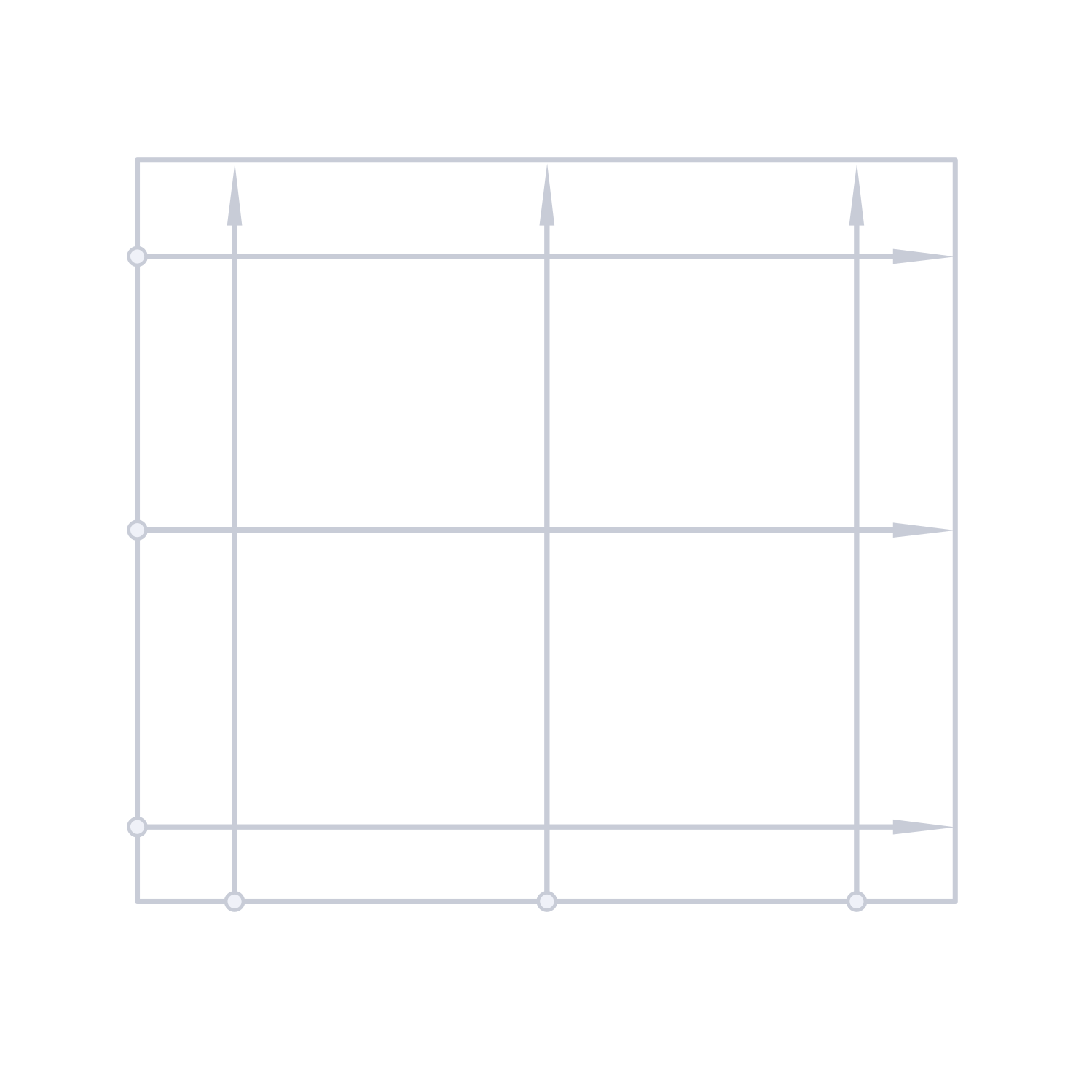
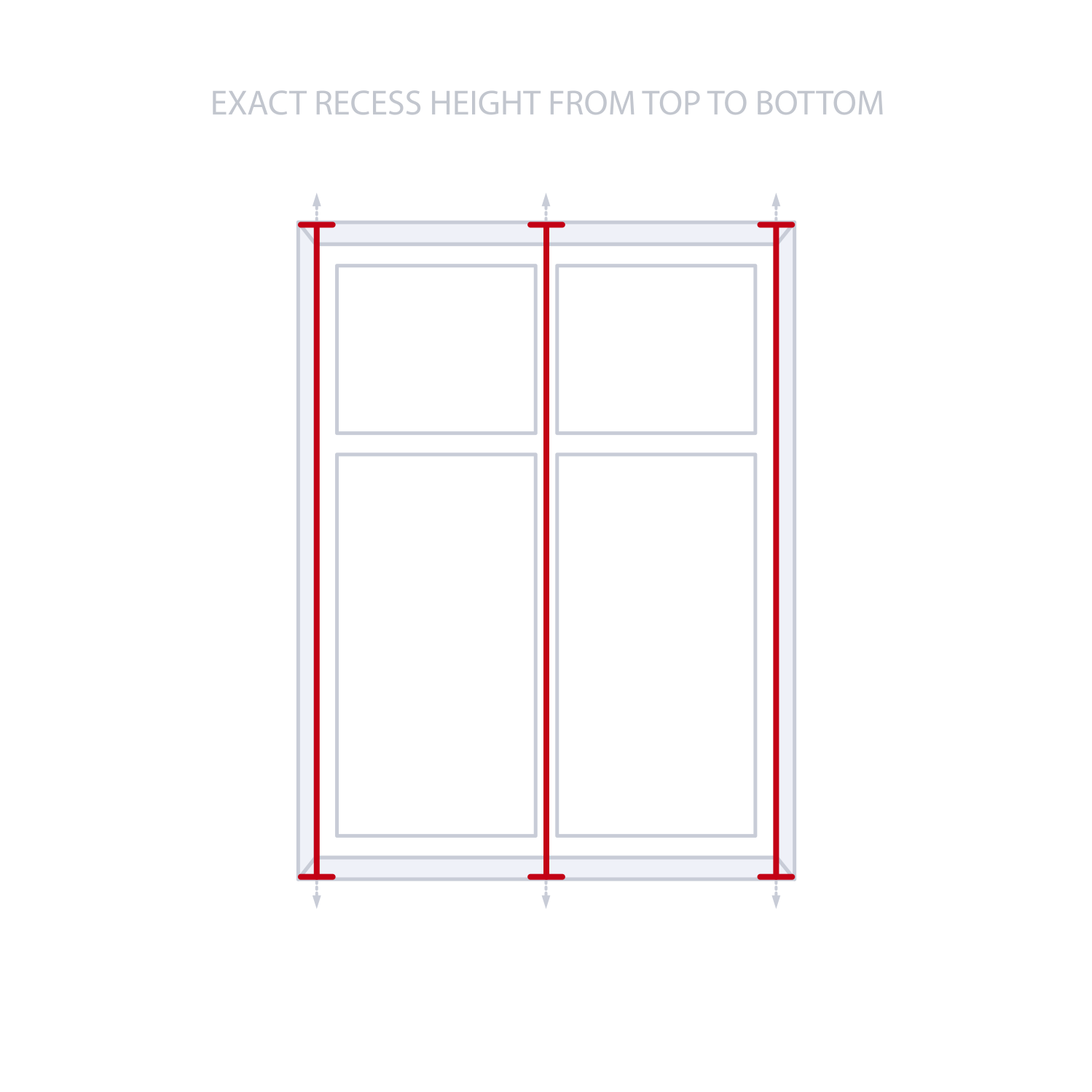
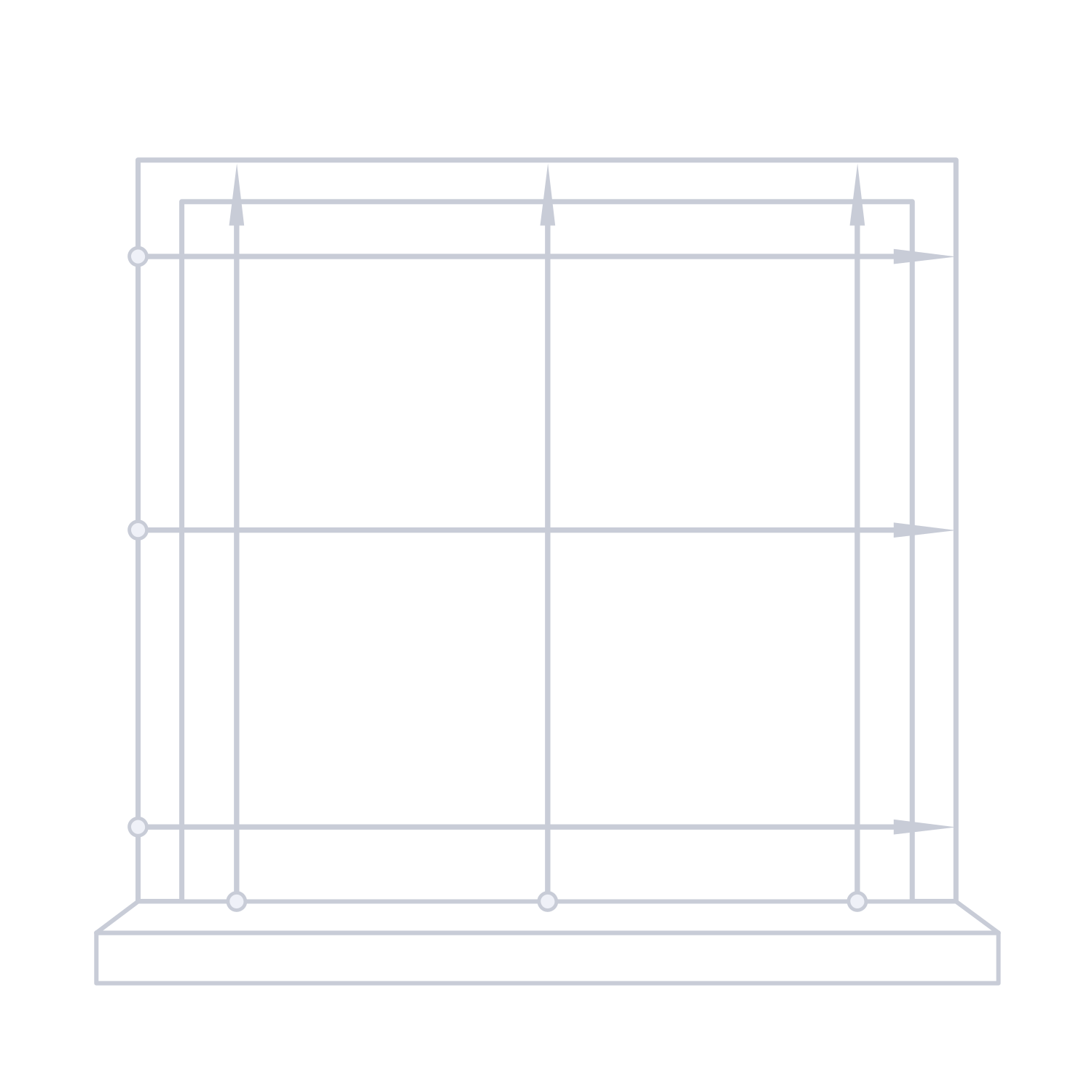
- Measure the drop in three places.
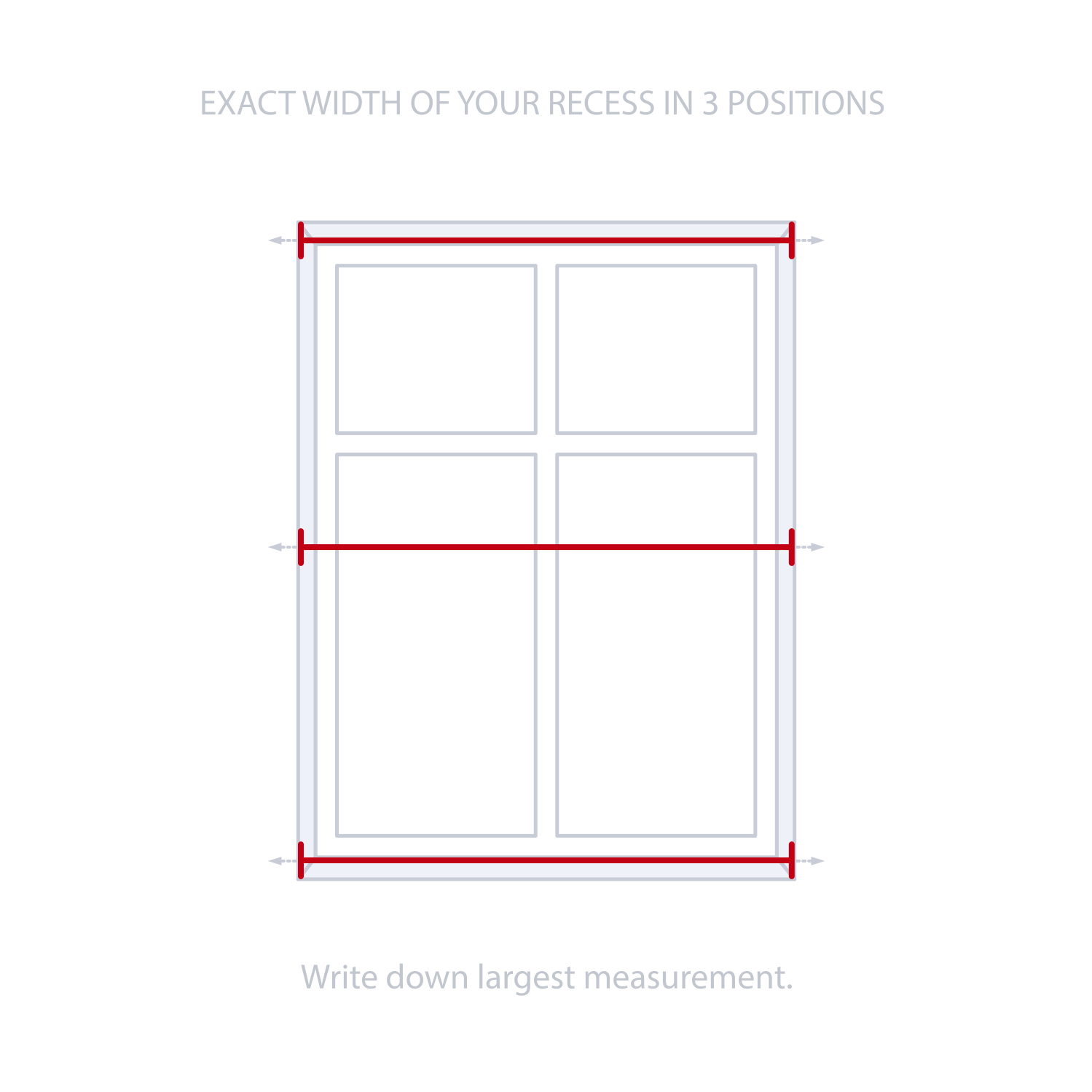
- Measure the width in three places.
- Use the largest width and largest drop
If you do not have a protruding window sill: add 42mm to each side — 84mm total to the width and 84mm total to the drop.
If you have a protruding window sill: add 42mm to the left, right and top only — 84mm total to the width and 42mm total to the drop.
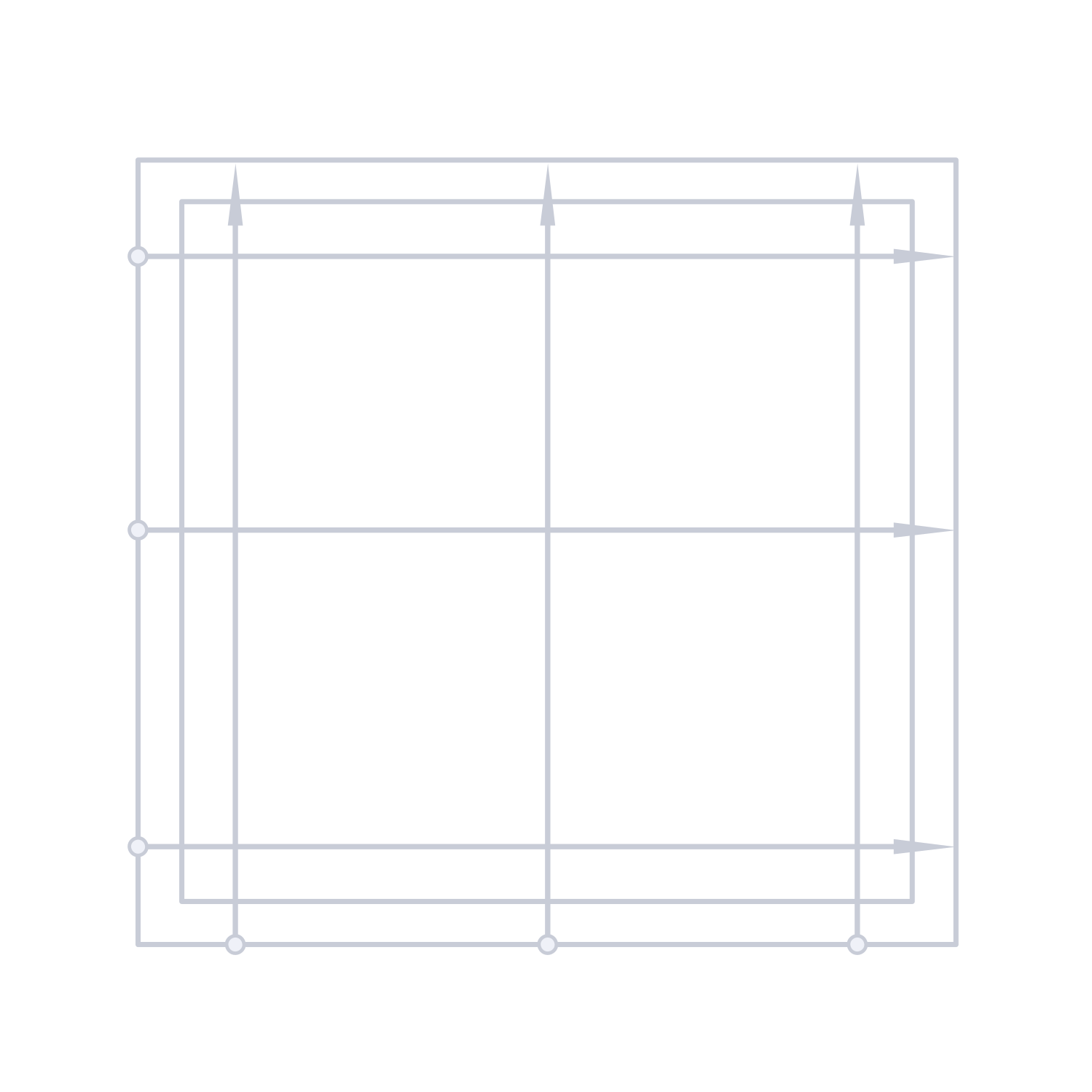
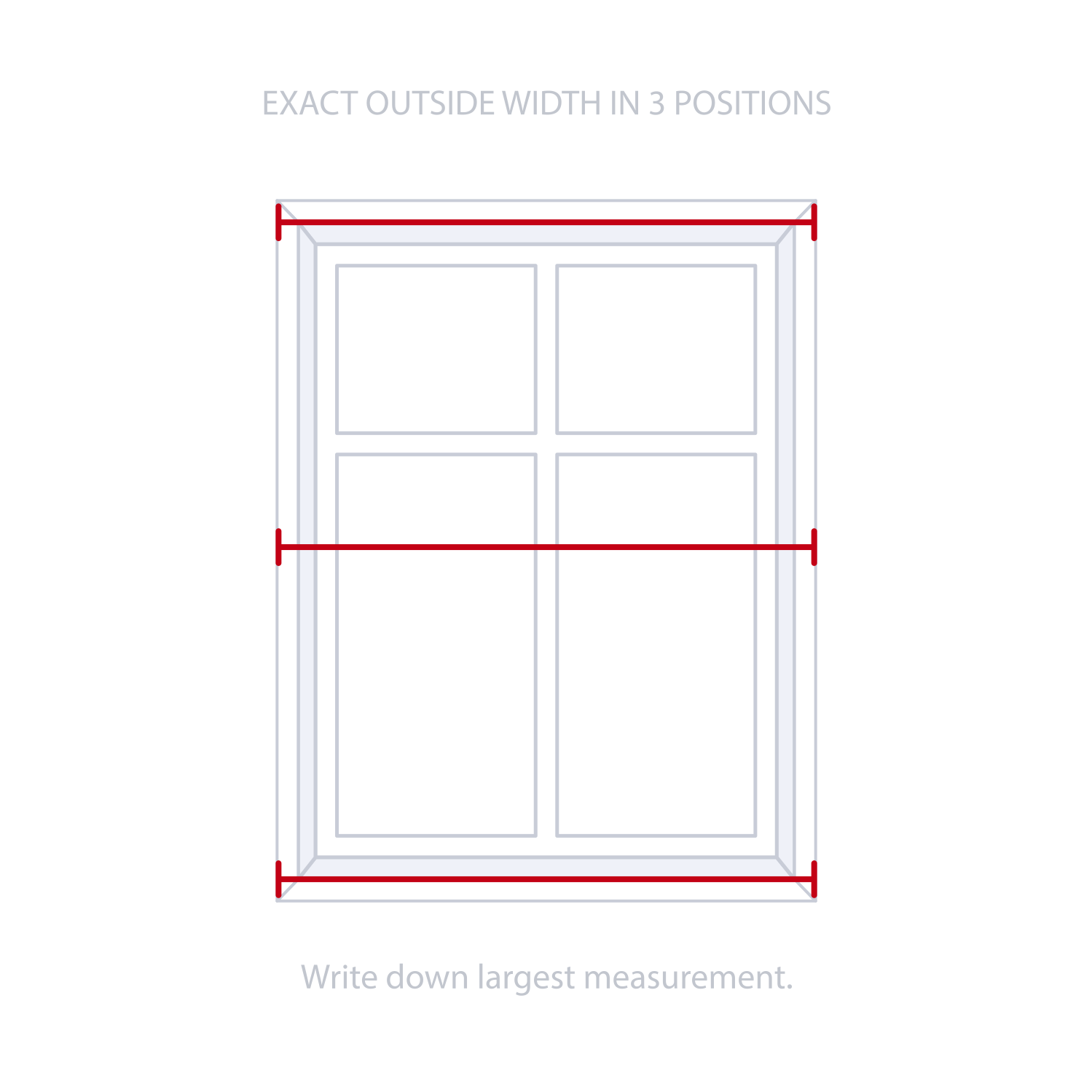
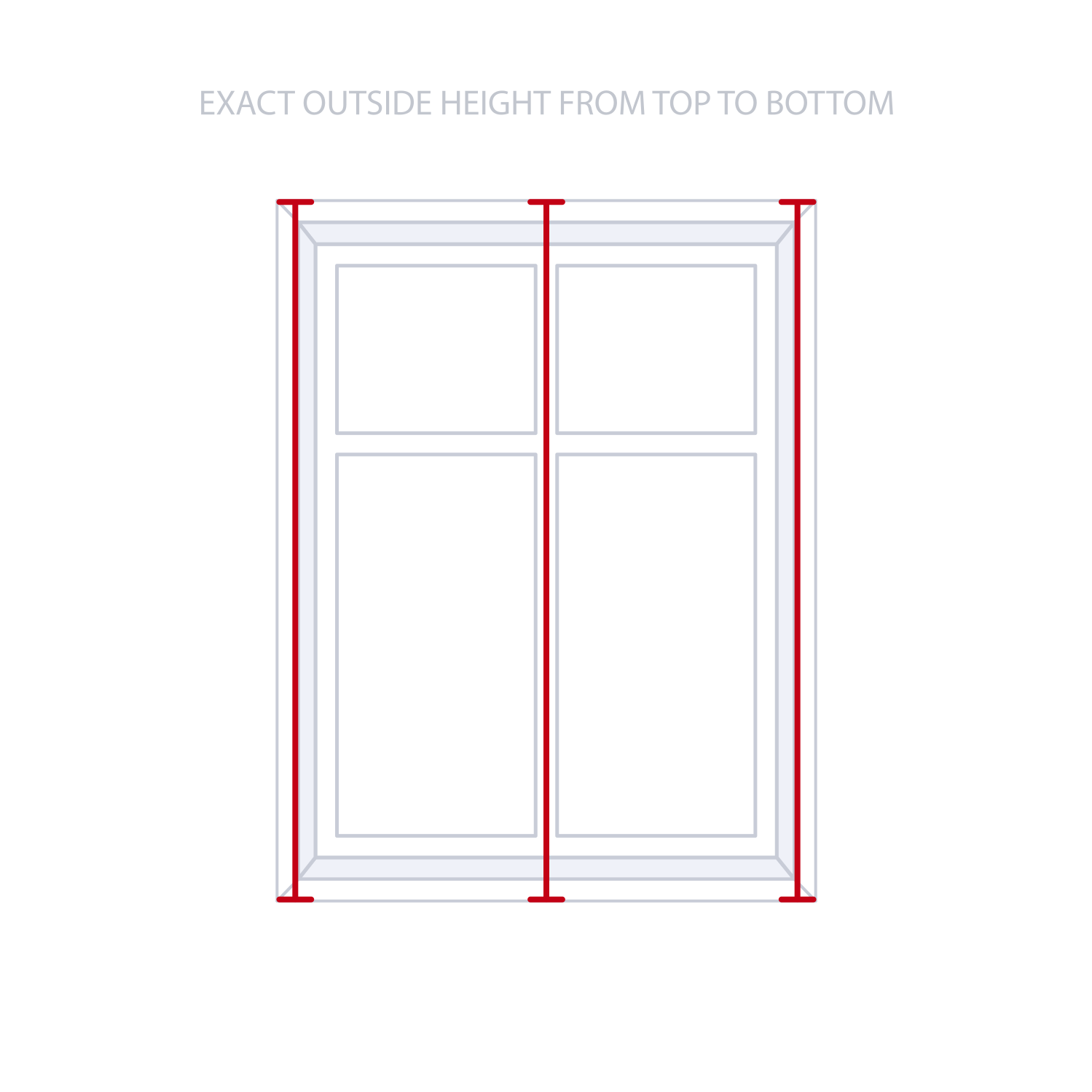
Measuring Outside Mount with an Architrave
Most windows will feature an architrave, as such this is the most common way to measure your outside mount shutter. Use the architrave itself as the measurement boundary.
- Measure height from outer architrave edge to outer architrave edge in three places.
- Measure width from outer architrave edge to outer architrave edge in three places.
- Use the largest width and largest height.
Measuring Outside Mount with a Decorative Architrave
Decorative architraves can have grooves, curves or stepped faces, so the normal outer edge is not always a suitable mounting surface.
If there is a continuous flat outer edge suitable for the shutter frame, follow the standard architrave method above. If there is no straightforward flat outer edge, locate a continuous flat section of the architrave that is greater than 38mm wide. It may be on the inner, middle or outer part of the profile.
- Measure the width from the edge of that selected flat surface to the corresponding edge on the opposite side. Take three measurements.
- Measure the height from the edge of that selected flat surface to the corresponding edge on the opposite side. Take three measurements.
- For this decorative-profile method, use the smallest width and smallest height.
Keep the same mounting plane around the opening. If the profile changes, the flat section is not greater than 38mm, or you are unsure which surface to use, send us photos before ordering. For more detail, see Outside Mount Measuring with a Decorative Architrave.
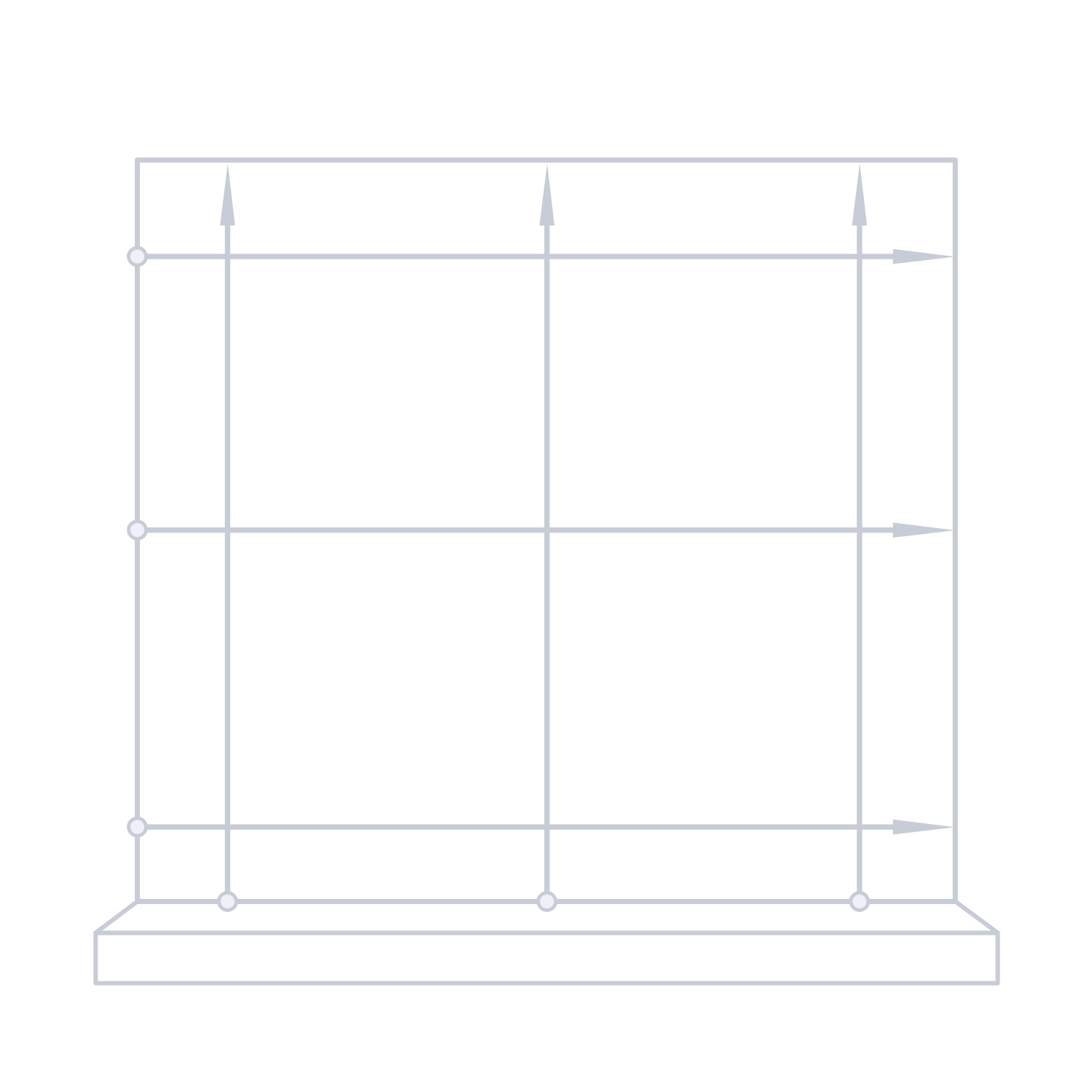
Measuring Outside Mount for a Window with a Sill
The height begins at the top surface of the sill.
- Measure height in three places from the sill to the upper reference point.
- Measure width in three places.
- Use the largest width and largest height.
For a protruding window sill: add 42mm to the left, right and top only — 84mm total to the width and 42mm total to the drop.
Measuring Outside Mount for a Window with a Sill and Architrave
The lower height measurement begins at the top of the sill, while the top and side measurements follow the outer edges of the architrave.
- Measure height in three places from the sill to the upper architrave edge.
- Measure width in three places from outer architrave edge to outer architrave edge.
- Use the largest width and largest height.
Measuring Panels
Plantation shutters can be divided into multiple hinged panels, allowing them to suit wide windows as well as smaller openings. Individual shutter panels can be made up to approximately 900mm wide.
What If I Require Multiple Panels but Have Uneven Window Panes?
If the vertical panes are different widths, custom panel widths can be used so the shutter panel joins line up more closely with the existing window layout. Each individual panel must remain within the applicable manufacturing limits, including the approximate 900mm maximum panel width.
Measuring Custom Panel Widths
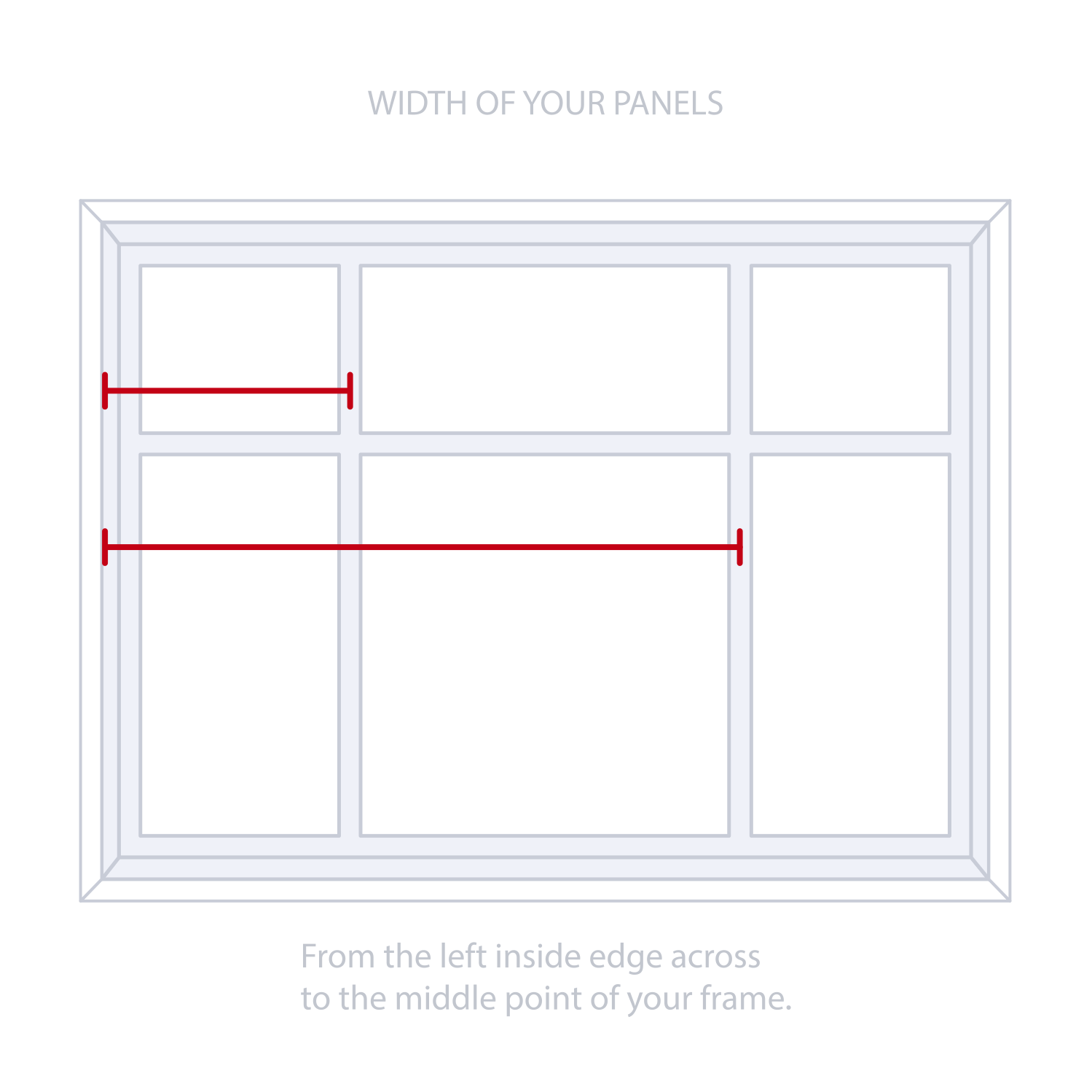
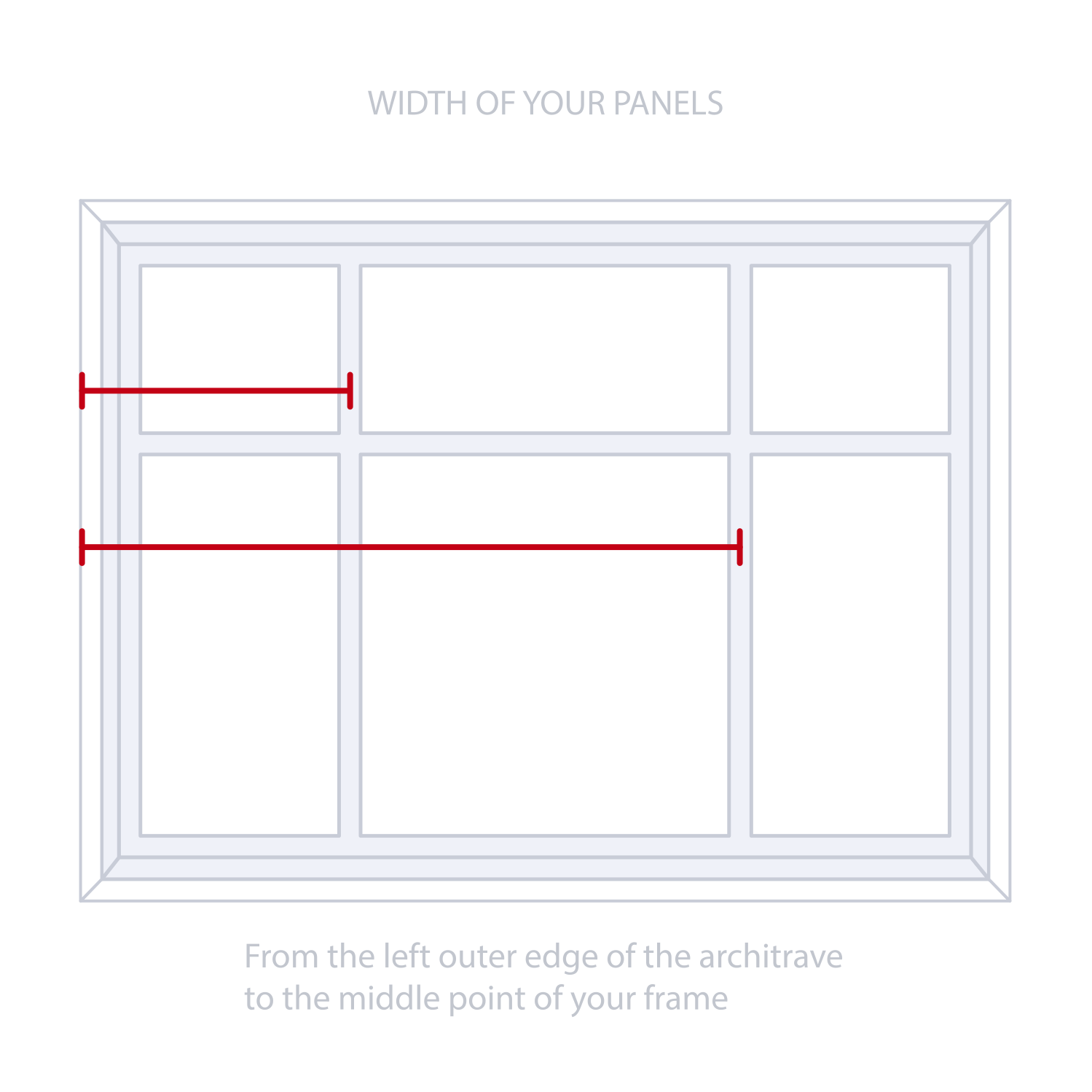
Custom panel positions are achieved by placing the T-post in your configuration at the point you specify. They are measured as cumulative distances from the far left-hand side of the finished shutter reference point. Do not measure each panel separately from one break to the next.
- Inside mount: measure from the inside left edge of the recess.
- Outside mount on an architrave: measure from the outer left edge of the architrave.
- Outside mount without an architrave: measure from the left-hand outside-mount reference point.
Measuring for Midrails
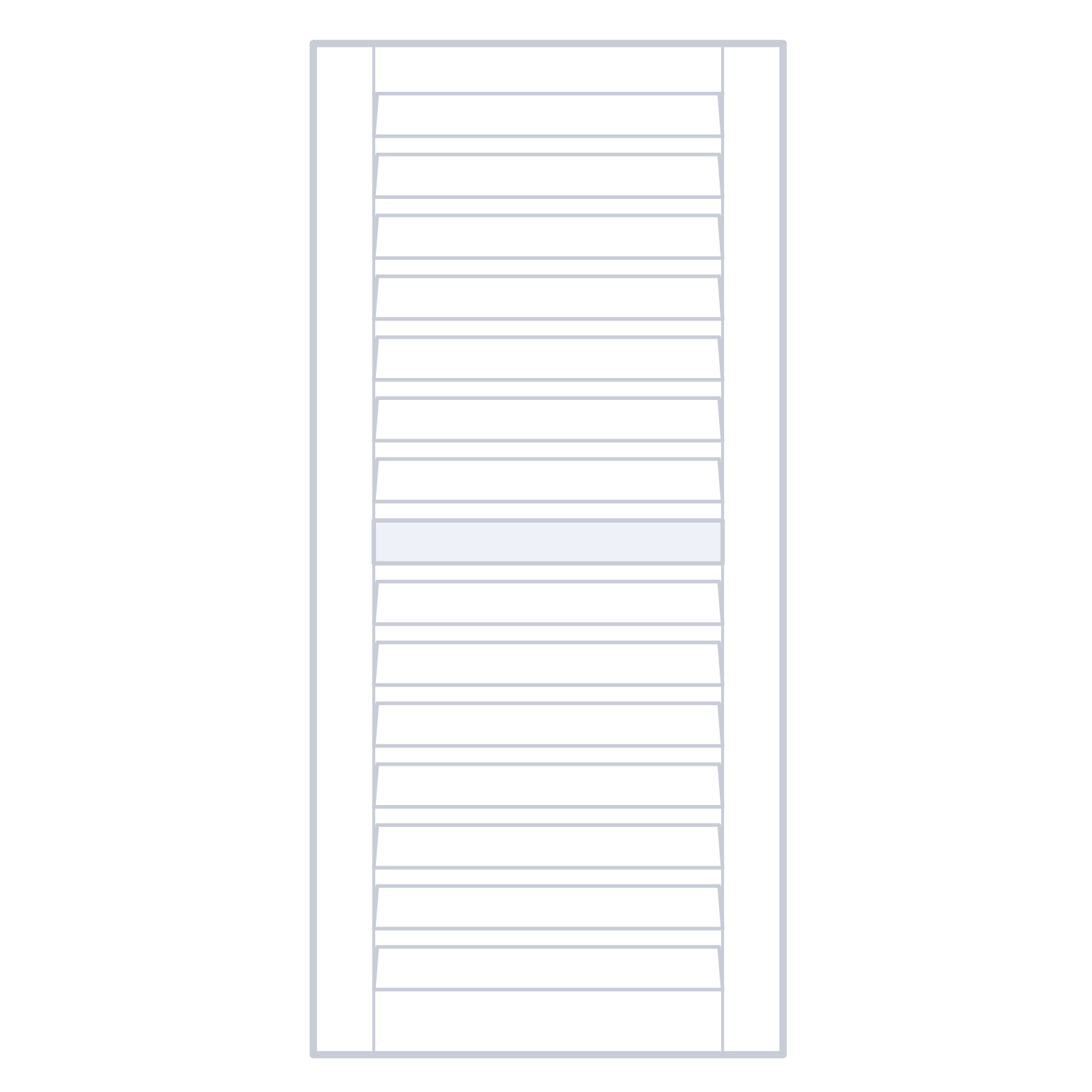
A midrail is a fixed horizontal rail that divides the louvres into separate upper and lower sections. You can specify up to two midrail positions where the shutter design allows it.
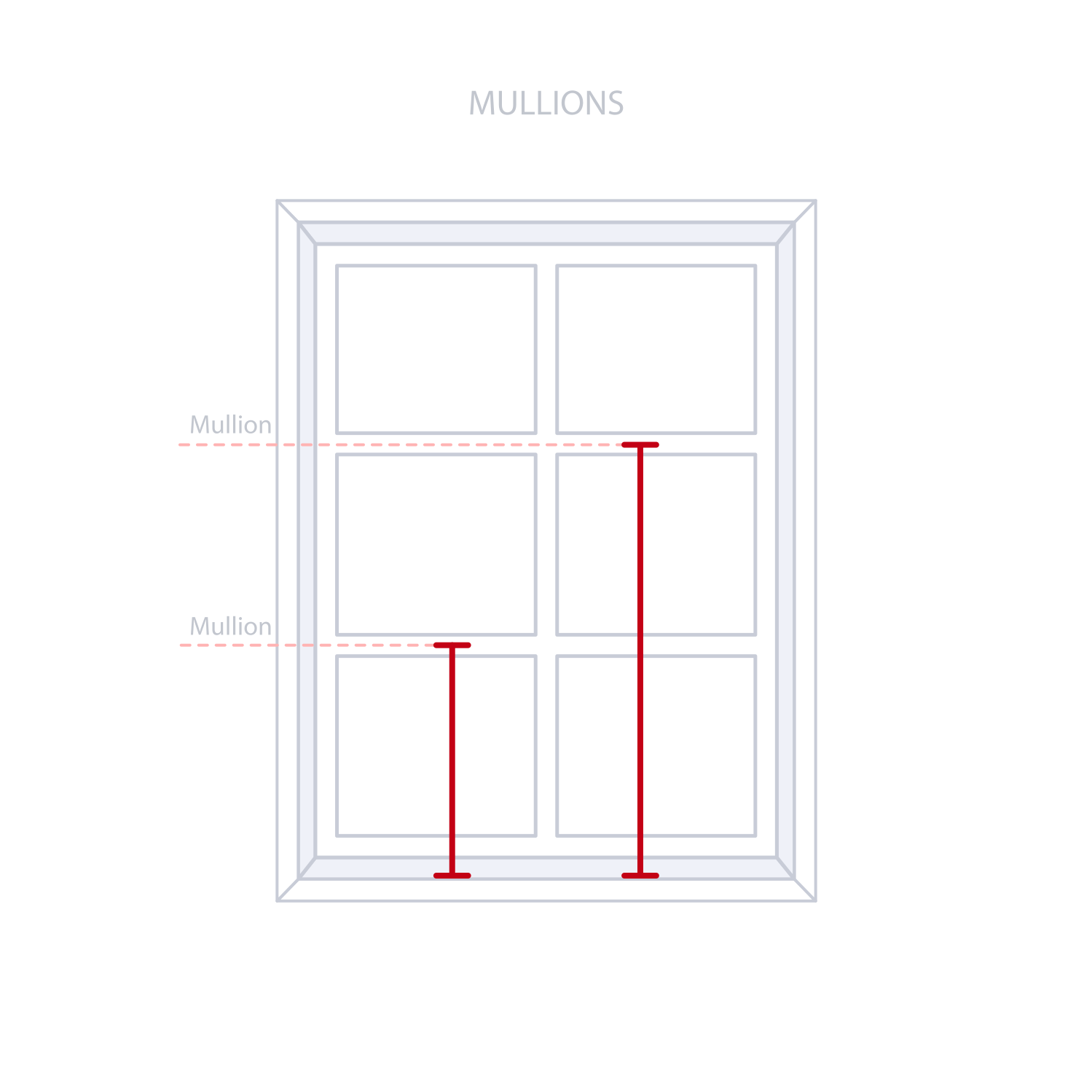
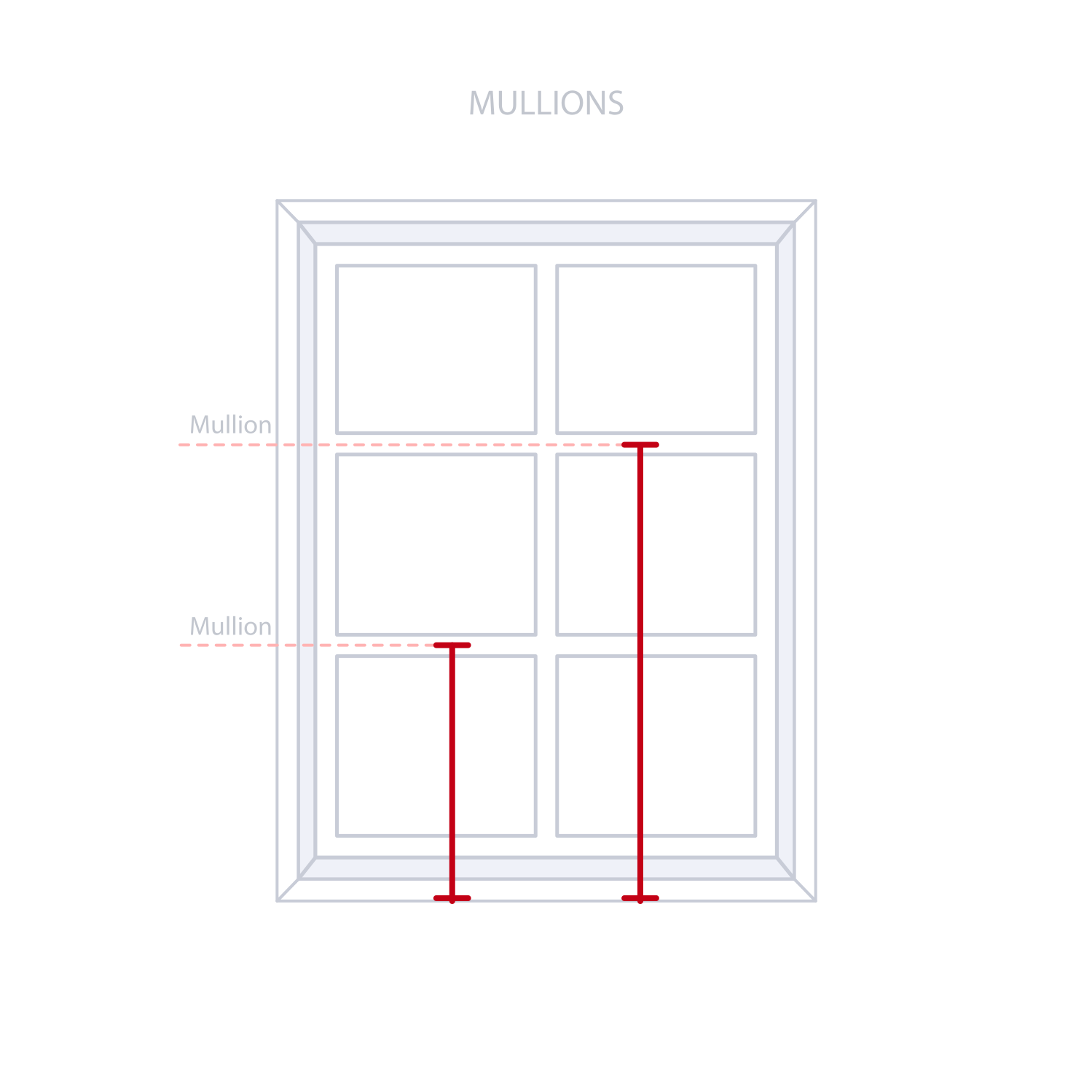
Where the window has horizontal panes or transoms, aligning the midrail with that existing line generally produces the cleanest result.

Measuring the Position of Your Midrail
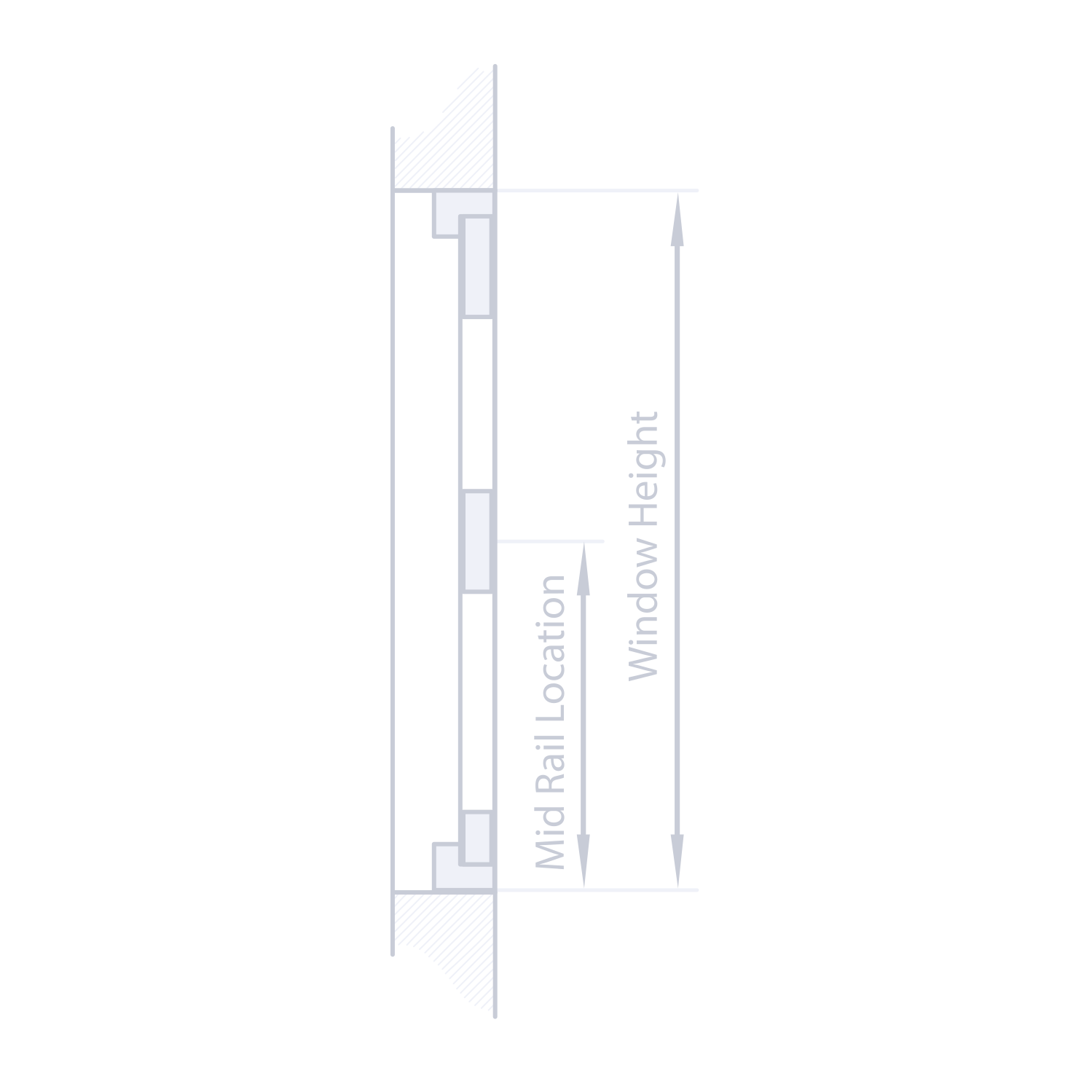
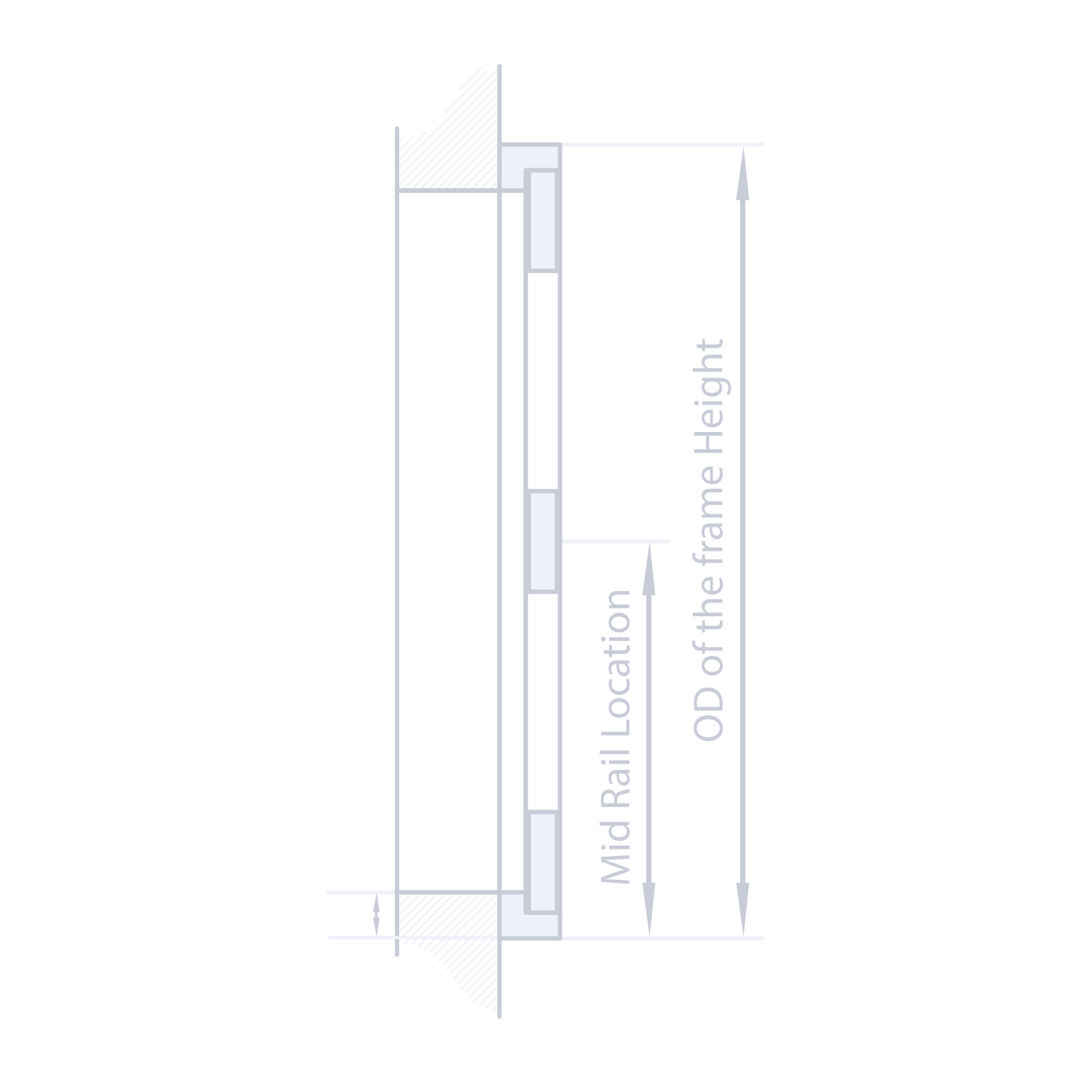
Midrail positions are measured from the bottom of the shutter reference point to the centre of the required midrail.
- Inside mount: measure upward from the bottom of the recess.
- Outside mount: measure upward from the applicable lower outside-mount reference point.
- Second midrail: measure from the same bottom reference point all the way to the centre of the second midrail.
A requested midrail position may need to move by approximately ±15mm during manufacture so the louvres can be spaced evenly. If you require exact measurements you can specifiy “Critical” on the midrail, then the top and bottom rails will be adjusted to better suit. Note: Critical mid rails will likely feature different size top and bottom rails.
You may wish to take into account line of sight, depending on view point and height of the person, it may be better to place it slightly higher than the mullion.
Was this article helpful?
Related articles
Still need a hand?
Send us your window measurements and photos if you are unsure about the right shutter setup.