
Browse Shutter Guide
General
- Our Plantation Shutters
- Imported vs Local Plantation Shutters
- Why Choose Plantation Shutters?
- How Much Do Plantation Shutters Cost?
- Where Did Plantation Shutters Originate?
- Plantation Shutters vs Blinds
- Choosing the Best Shutter Material
- Plantation Shutters for Kitchens
- Are PVC Shutters Safe?
- How to Photograph Your Windows
Performance
Care
Frames
- Complete Guide to Shutter Frame Types
- Inside Z-Frame
- Inside L-Frame
- Outside L-Frame
- What Is an Inside Mount?
- What Is an Outside Mount?
Customisation
- Choosing the Right Shutter Colour
- A Guide to Shutter Panels
- Choosing the Right Panel Configuration
- Should Shutters Match Your Window Trim?
Mounting
- Inside vs Outside Mount Plantation Shutters
- What Type of Window Do I Have?
- What Is a Window Recess?
- Should I Inside or Outside Mount My Shutters?
- A Guide to Architraves
- What Is a Window Sill?
Tricky Windows
Getting Started
- Quick Measuring for a Shutter Quote
- How to Measure a Window Recess for Shutters
- Complete Guide to Measuring for Plantation Shutters
Midrails
Custom Panels
Inside Mount
- How to Measure Your Window Recess
- Measuring for an Inside Mount
- Measuring an Inside Mount Window with a Sill
- Managing Window Obstructions
Outside Mount
- Measuring for an Outside Mount
- Outside Mount Measuring with a Decorative Architrave
- Outside Mount Measuring for a Square-Set Window
Corner & Bay Windows
Our Service
- Our Plantation Shutters
- Why My DIY Blinds?
- What Does Our Shutter Warranty Cover?
- Our Plantation Shutter Product Guarantee
Quotes
Ordering & Product Setup
- Getting Started with Your Shutter Order
- How Shutter Product Recommendations Work
- Uploading a Photo of Your Window
Delivery
- Where We Deliver Plantation Shutters
- How Your Plantation Shutters Are Delivered
- What to Expect on Delivery Day
Measure Guarantee
Self Review
Managing Window Obstructions
Window winders, handles, locks, keys, flyscreens and inward-opening sashes can occupy the same space needed by an inside-mounted plantation shutter. A deep recess does not automatically mean the full depth is usable, so always measure to the nearest obstruction.
Check your recess depth before measuring
As a simple guide, allow approximately 70mm of clear recess depth for an inside-mounted plantation shutter. Check the shallowest usable depth and measure to the first obstruction that could interfere with the shutter, such as a handle, winder, lock, key, flyscreen or other window fitting.
If you have around 70mm or more of clear space, you can generally continue with the inside-mount measuring instructions.
Have less than 70mm, or an obstruction in the recess? An inside mount may still be possible depending on the frame choice and where the obstruction sits. See our Managing Window Obstructions guide for the detailed clearance requirements.
Find the front reference point
Measure from the front face of the recess inward toward the window. Use the same reference plane around the whole opening.
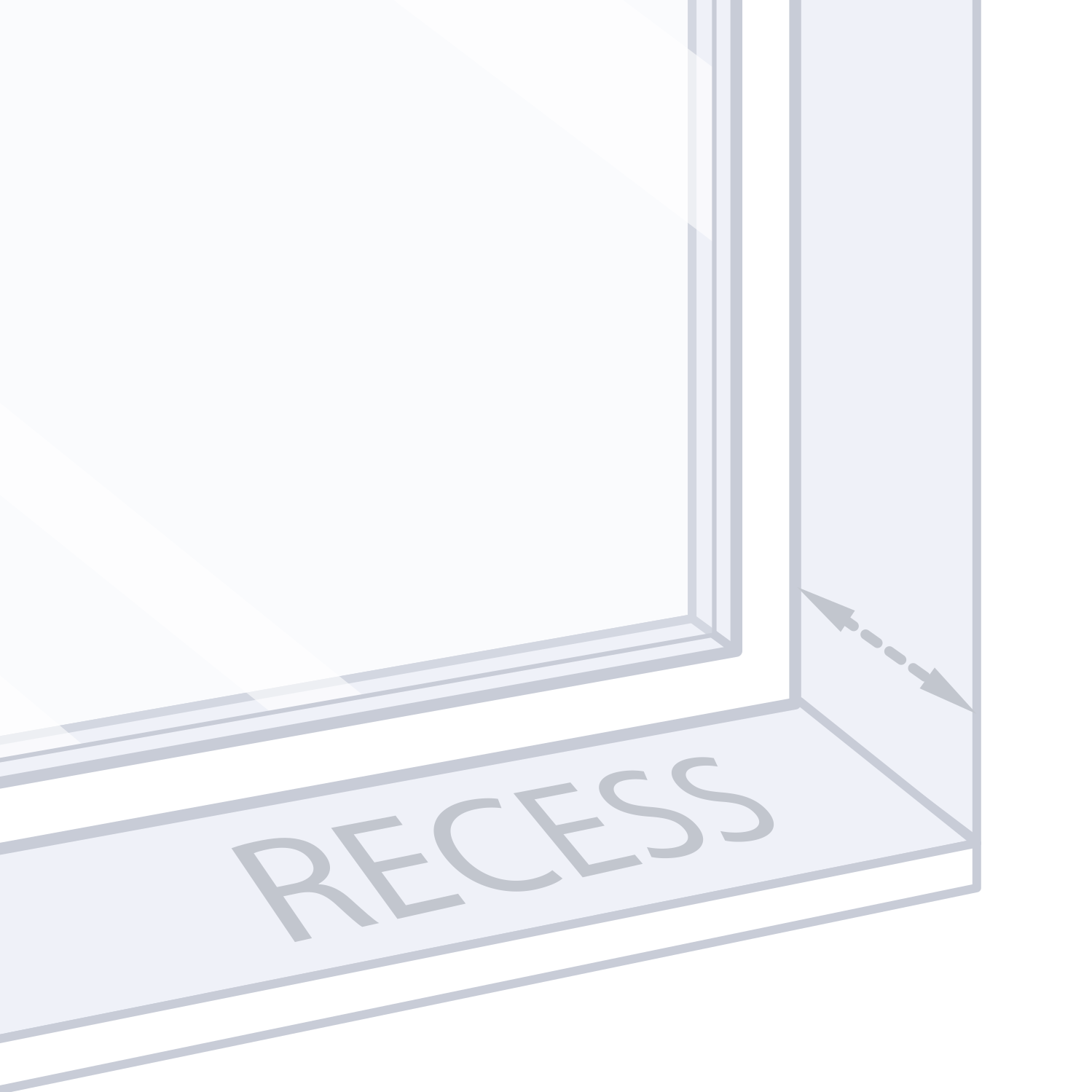
Examples of obstructions
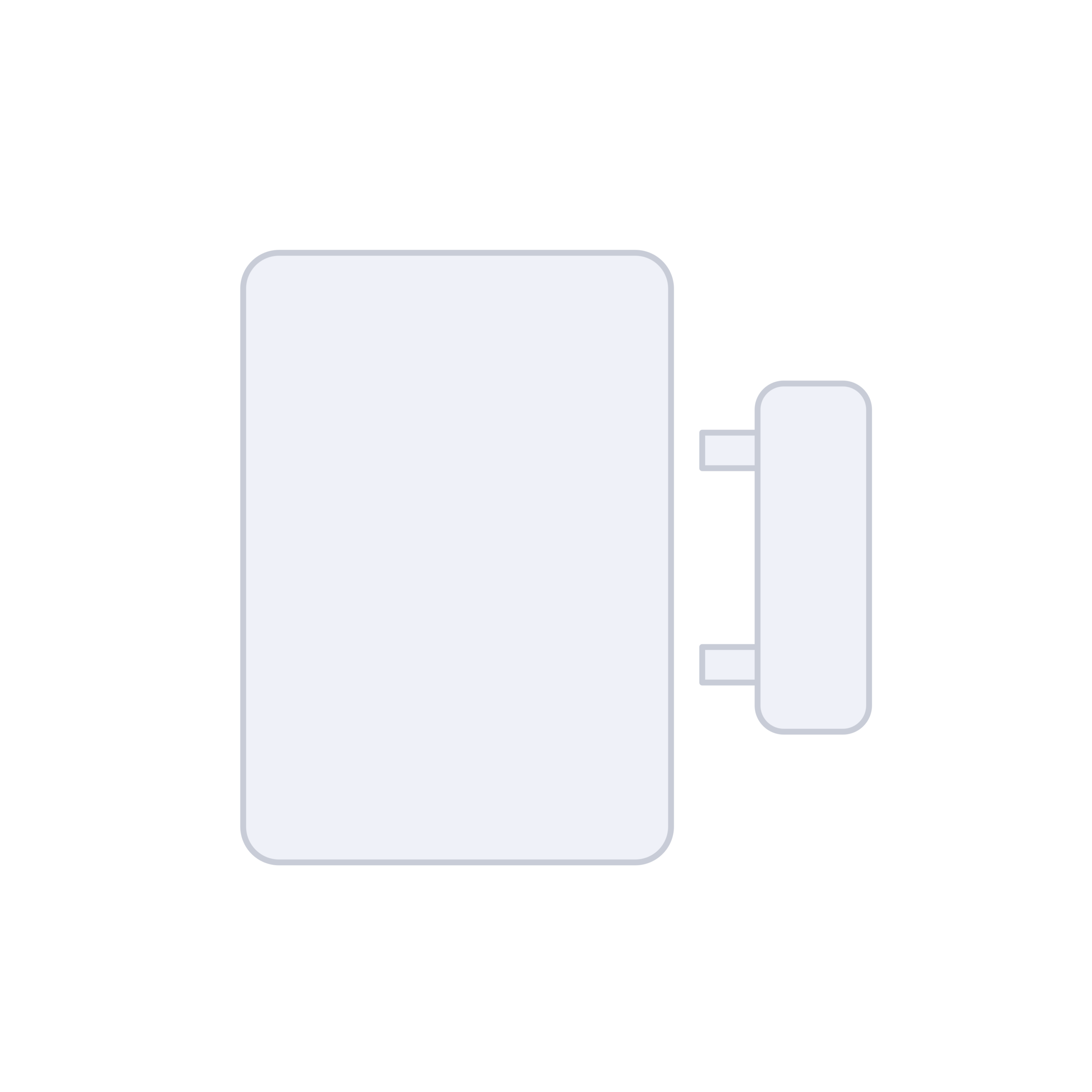
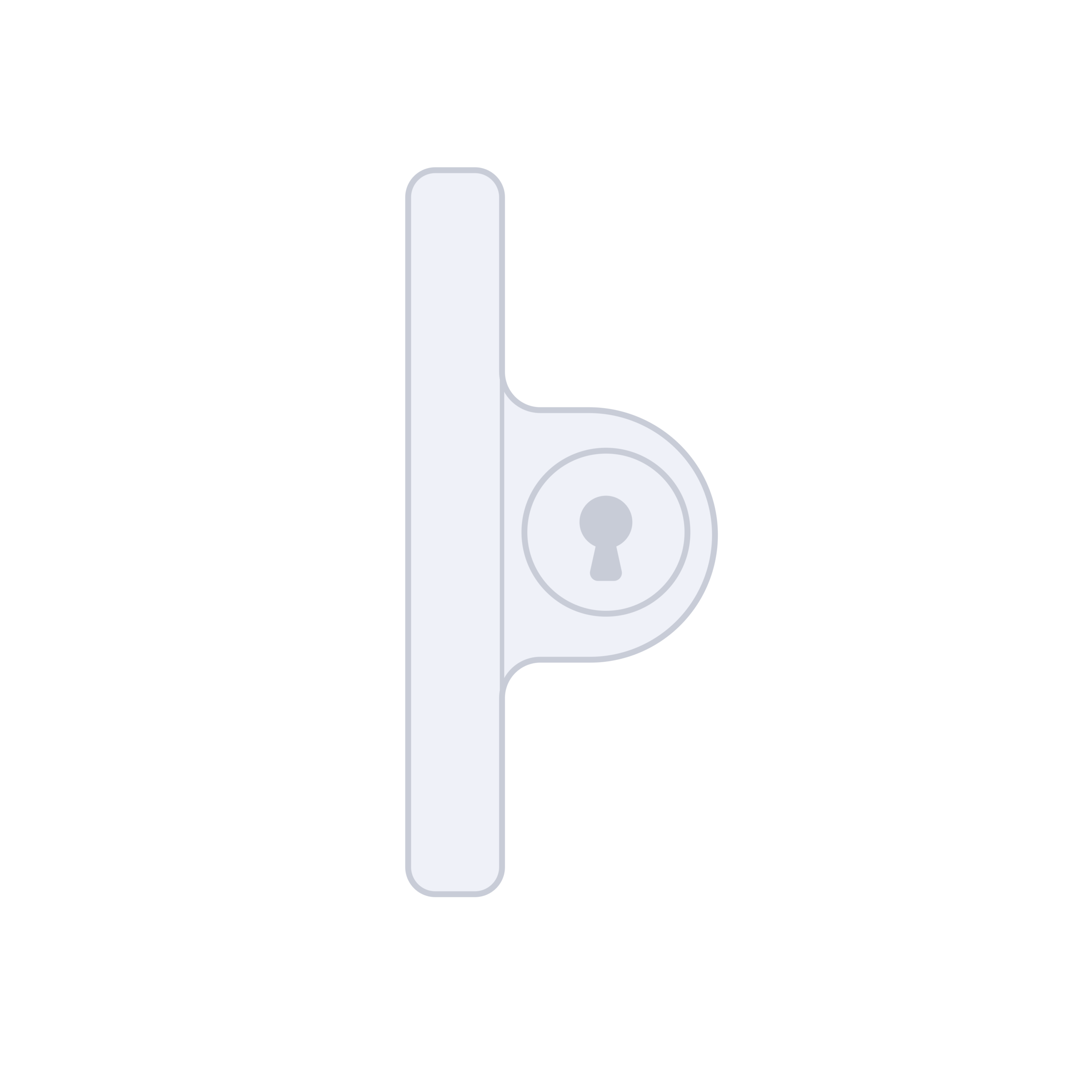
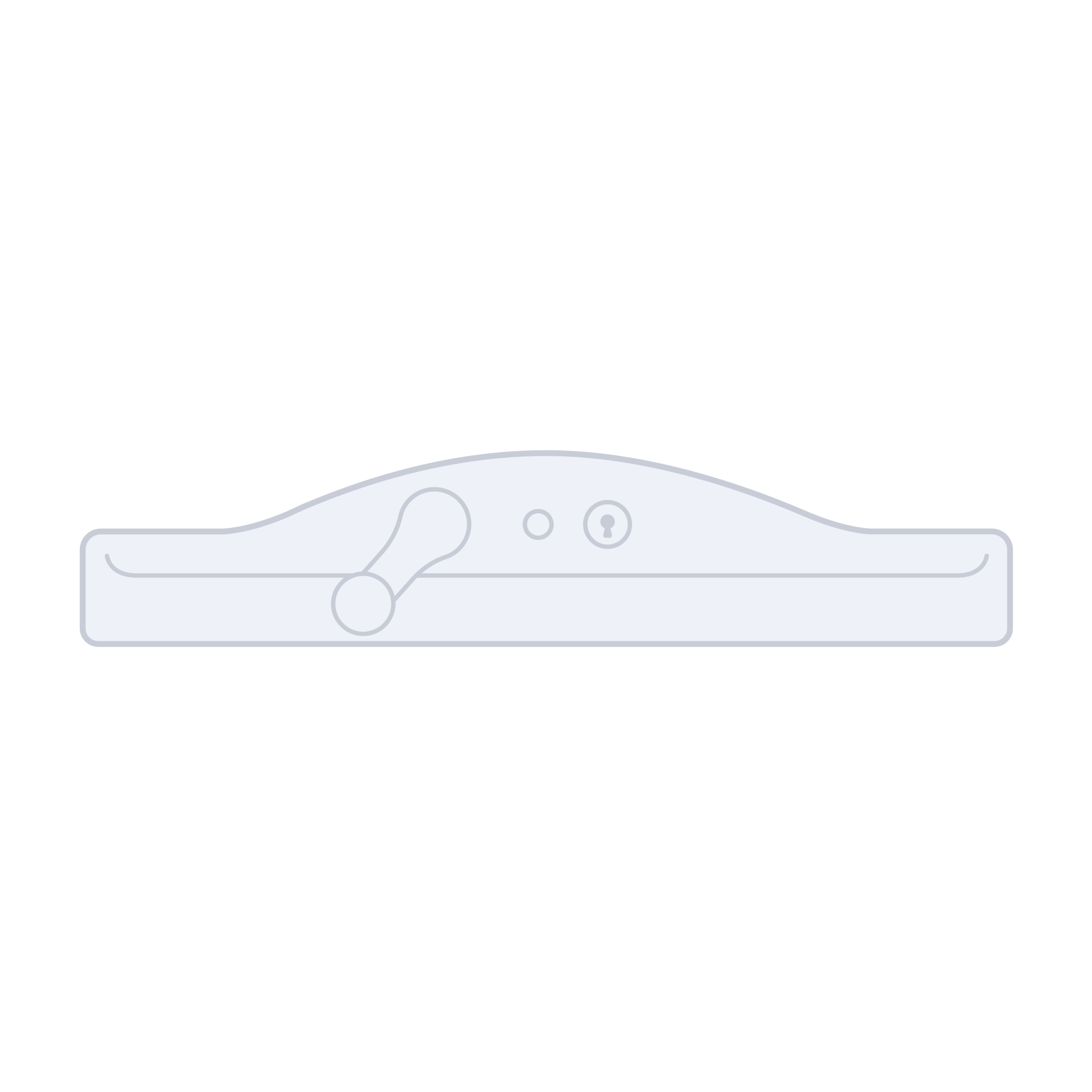
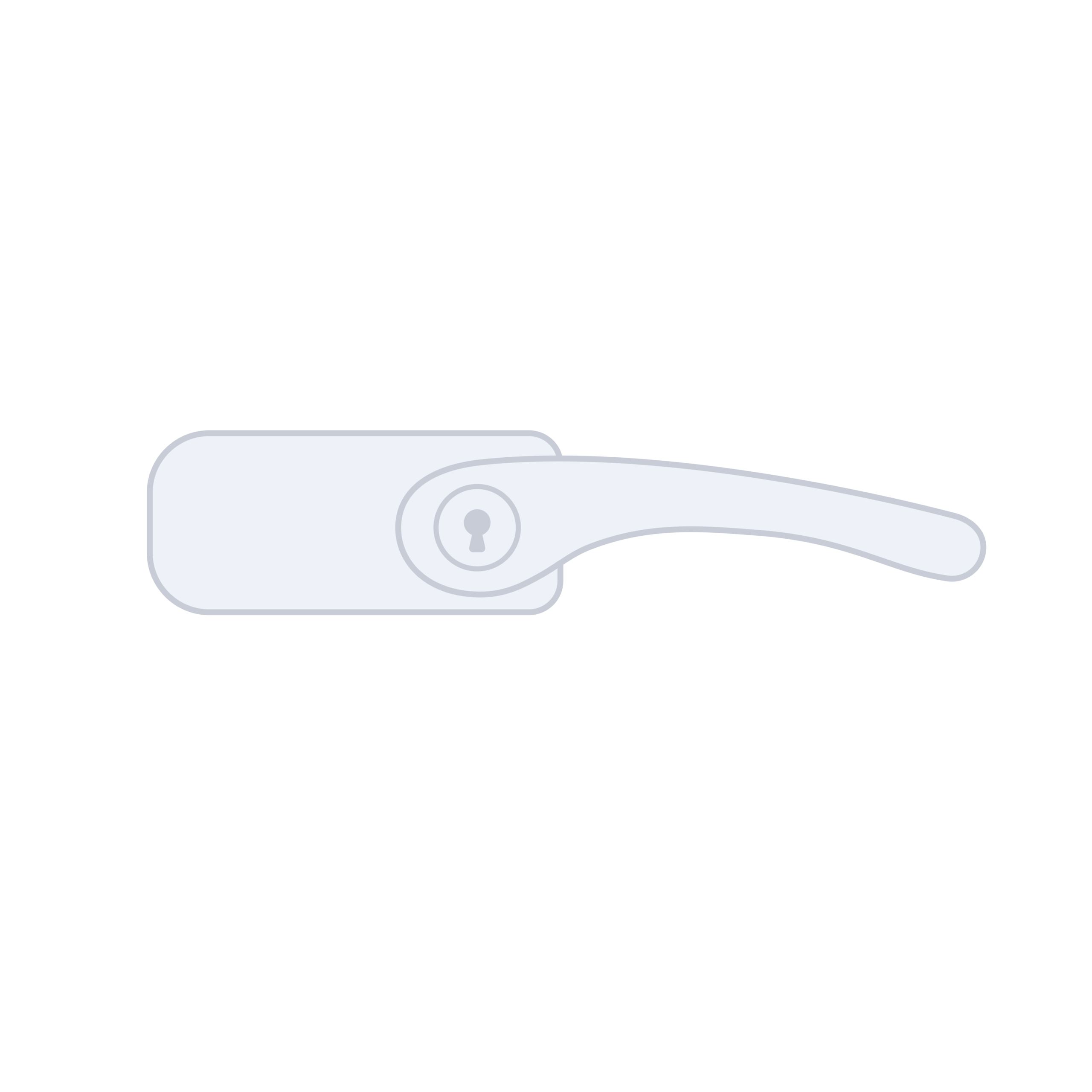
Security boxes, locks, winders, and handles.
Measure to the first obstruction
Stop at the first handle, lock, flyscreen, mullion or moving window part that could conflict with the shutter. This is the usable depth.
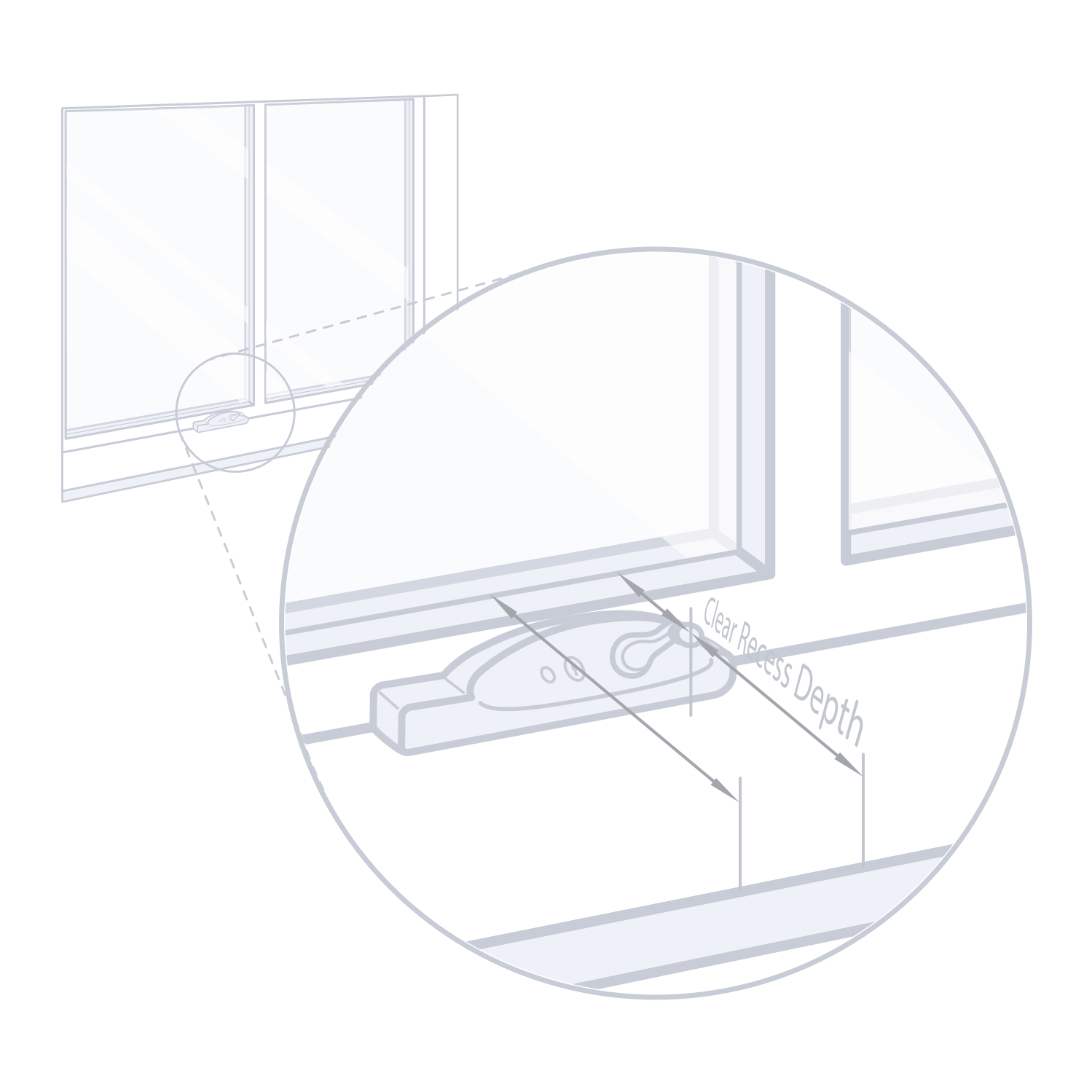
Check several locations
Measure near the top, centre and bottom on both sides. Use the shallowest clear measurement when checking frame suitability.
Operate the window
Open the sash and use the handle or winder. Make sure the moving parts do not enter the space you are counting as clear depth.
Before ordering: if your recess is less than approximately 70mm deep, or contains handles, winders, locks, flyscreens or other obstructions, check our Managing Window Obstructions guide before finalising your inside-mount measurements.
Some obstructions only affect where the frame can be fixed, while others interfere with the louvres or rails. The position of the obstruction is therefore just as important as its depth.
How much clearance do I need for an inside mount?
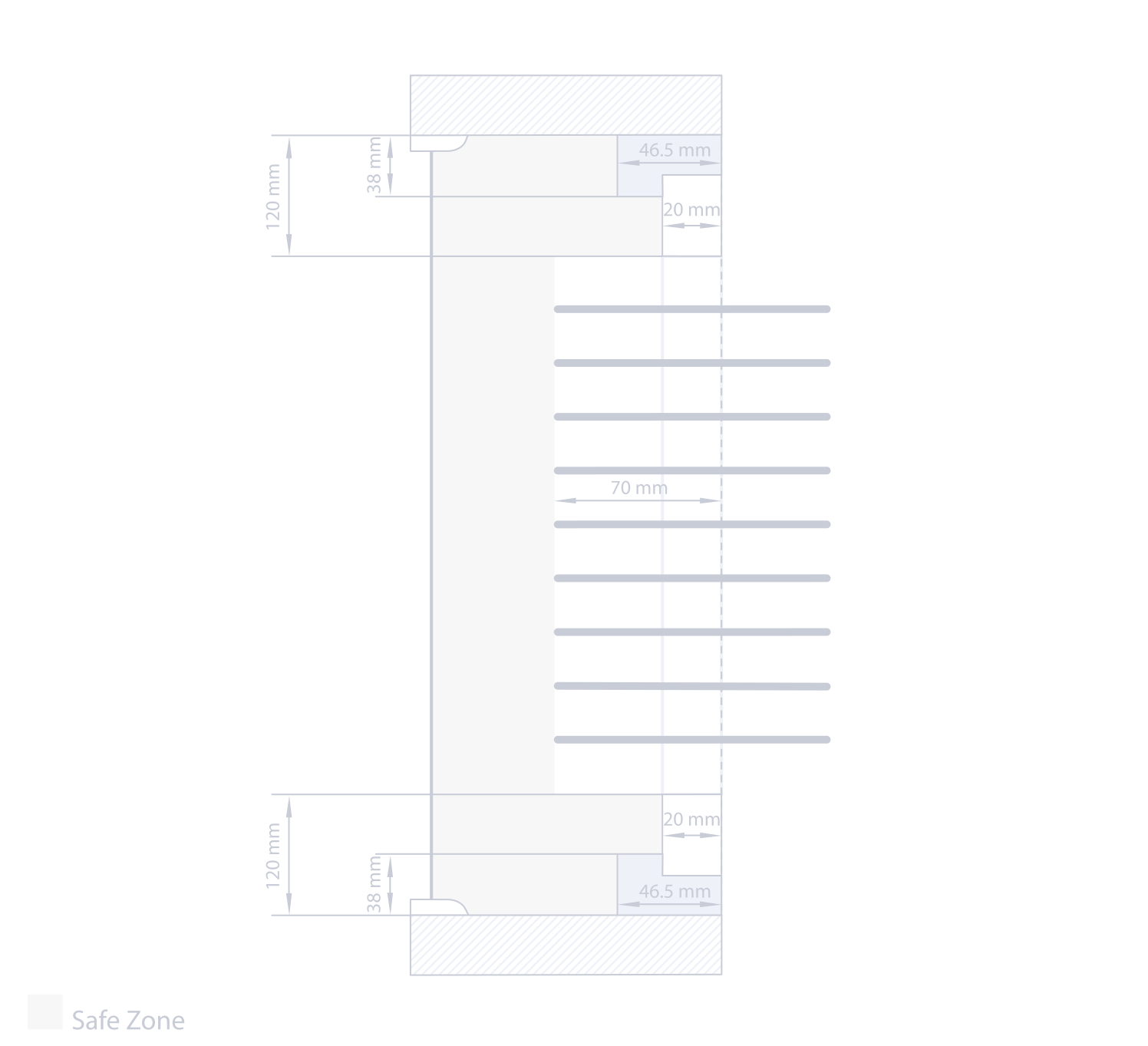
As a general rule, around 70 mm of clear space from the furthest window component to the front of the recess provides comfortable inside-mount clearance. This is intentionally conservative because the exact requirement changes with the selected frame and where the obstruction sits.
If you have less than this, an inside mount may still be possible after the frame, rail and louvre clearances are checked individually.
How do I get around an obstruction?
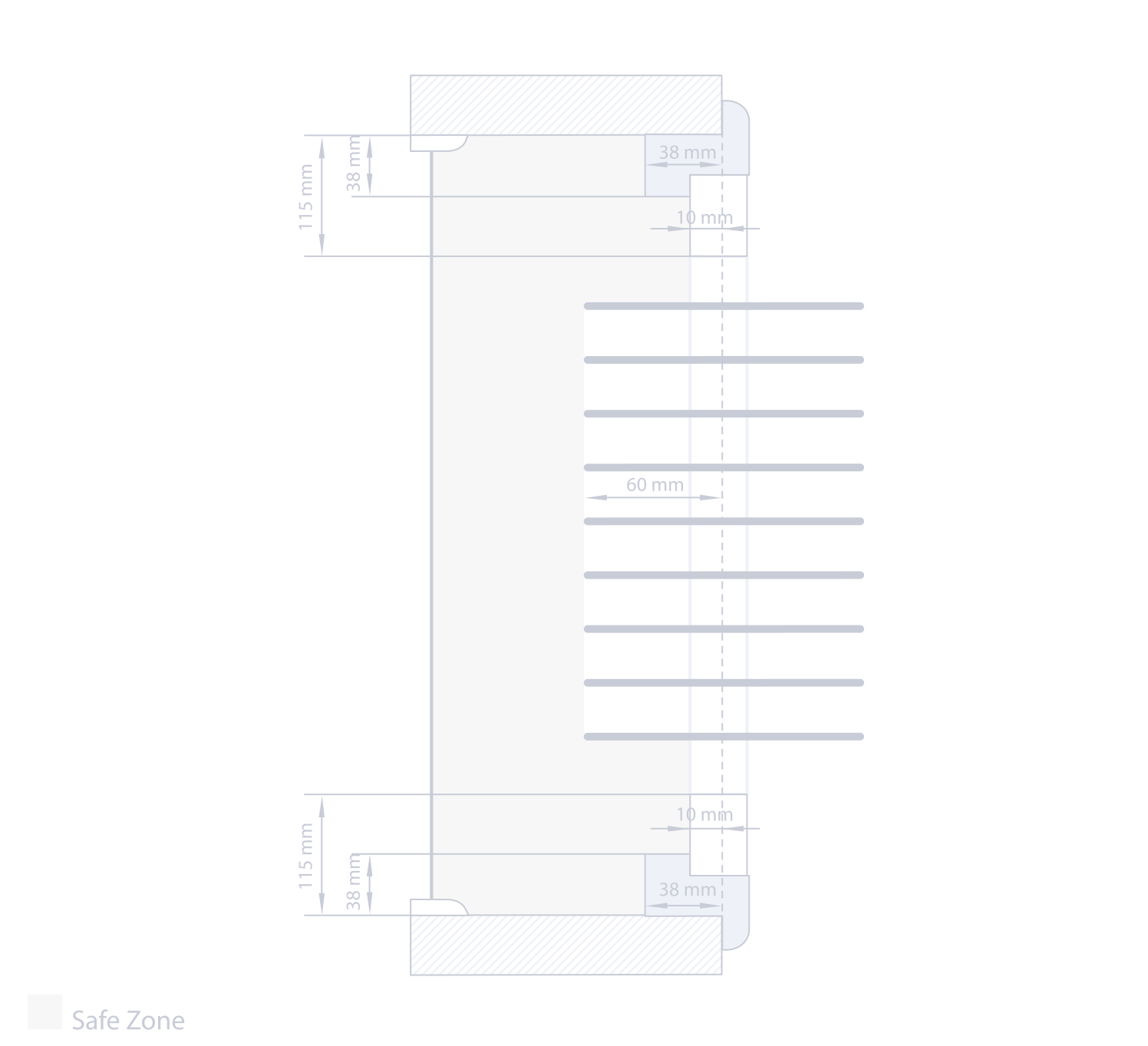
Remember that the shutter frame and shutter panel occupy different parts of the recess. The frame is fixed around the perimeter, while the panel hinges within it and the louvres rotate inside the panel.
An obstruction close to an edge can conflict with the frame. An obstruction further into the opening may clear the frame but still collide with a louvre.
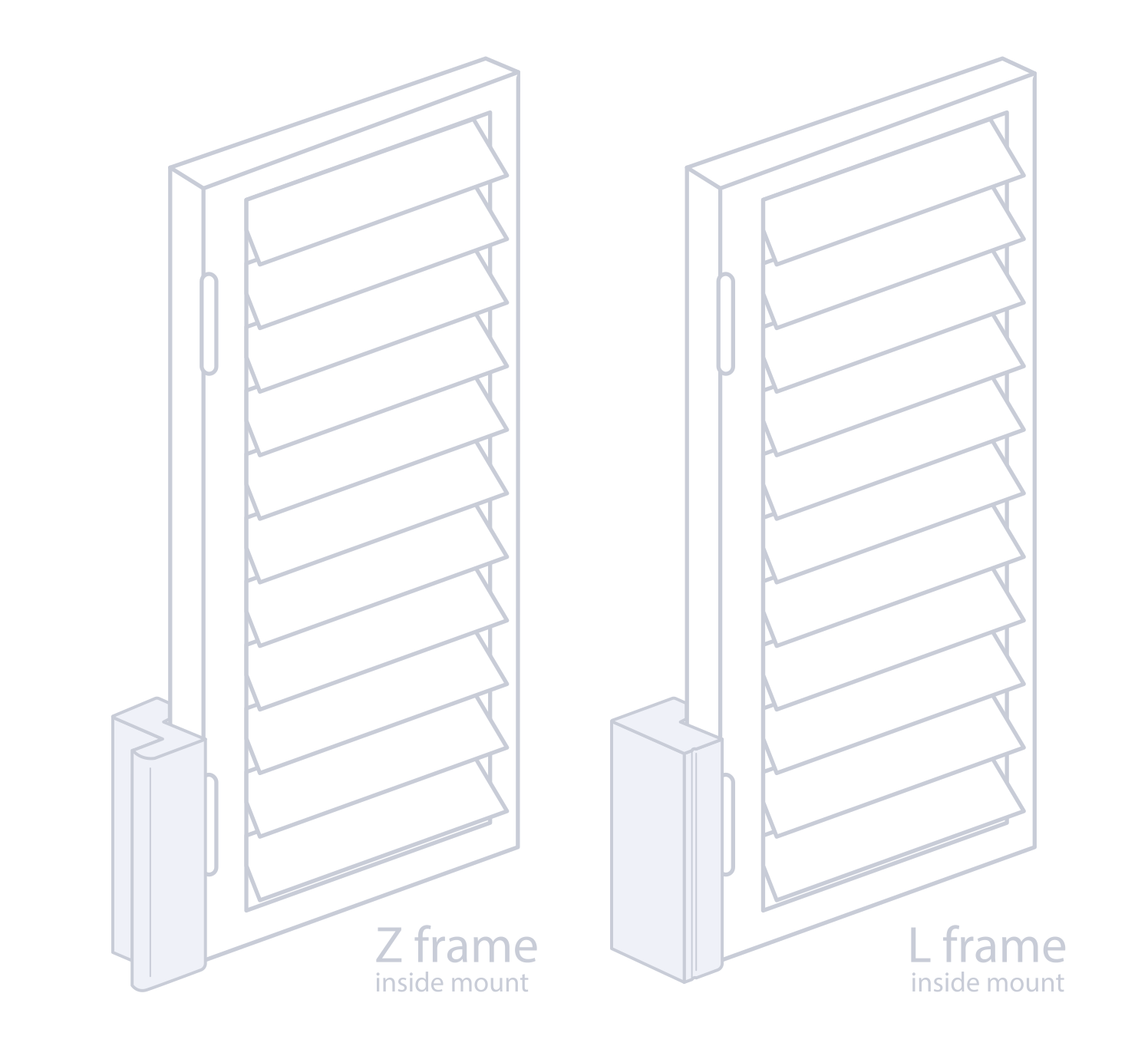
Managing obstructions for a Z-frame
A Z-frame mounts within the recess with a front lip around the opening. Check the current frame-profile dimensions and make sure there is sufficient clear depth at the perimeter for the fixing leg. A Z-frame requires at least 38mm of clearance to fit inside the recess.
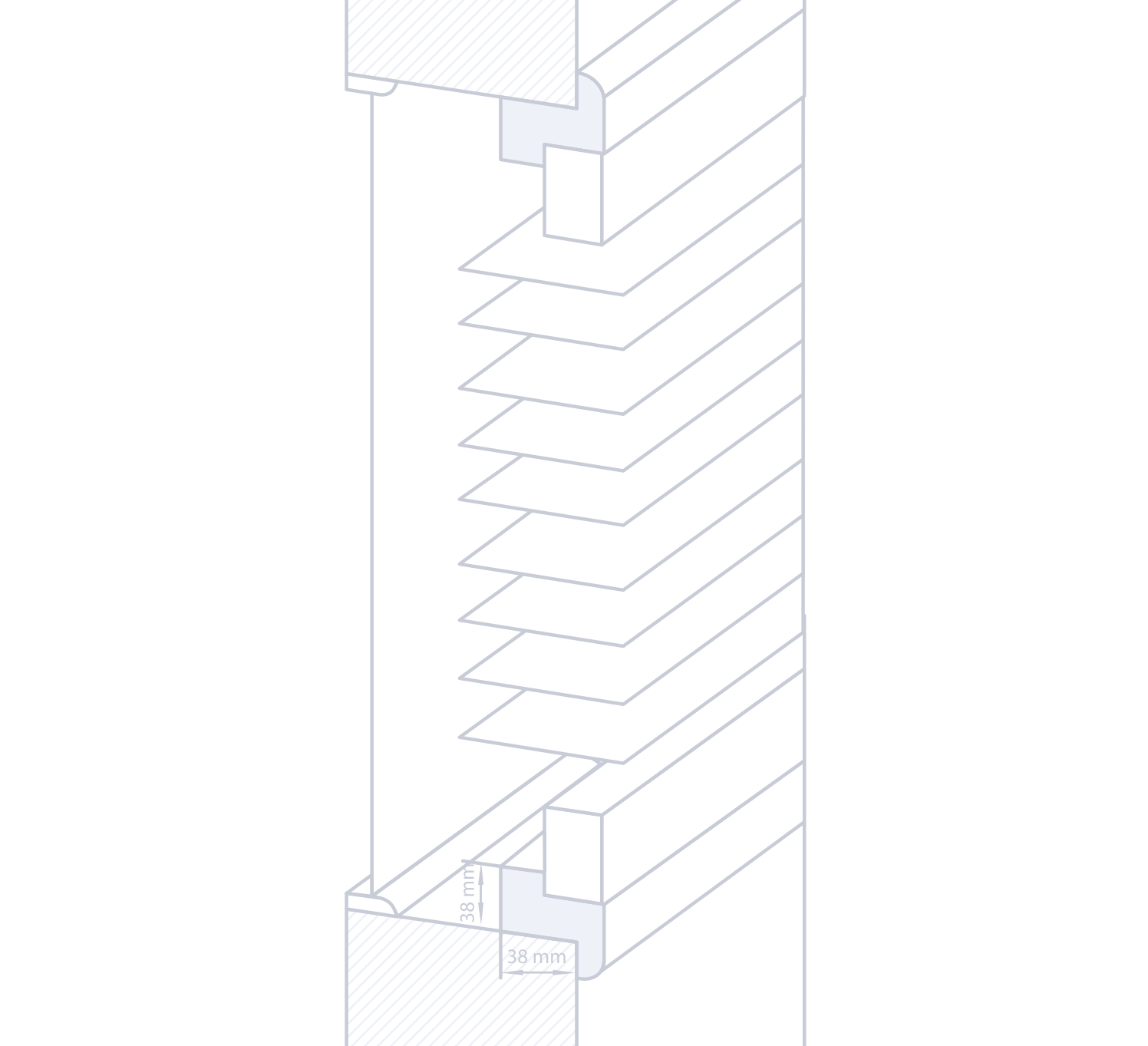
Obstructions on the outer edges of your window recess
If a handle, lock or other fitting is close to the top, bottom or side edge, measure from the furthest point of the obstruction to the front edge of the recess. The frame needs enough clear space to pass in front of it. (38mm to mount the Z-frame)
Also leave practical finger access where you still need to operate the fitting after installation.
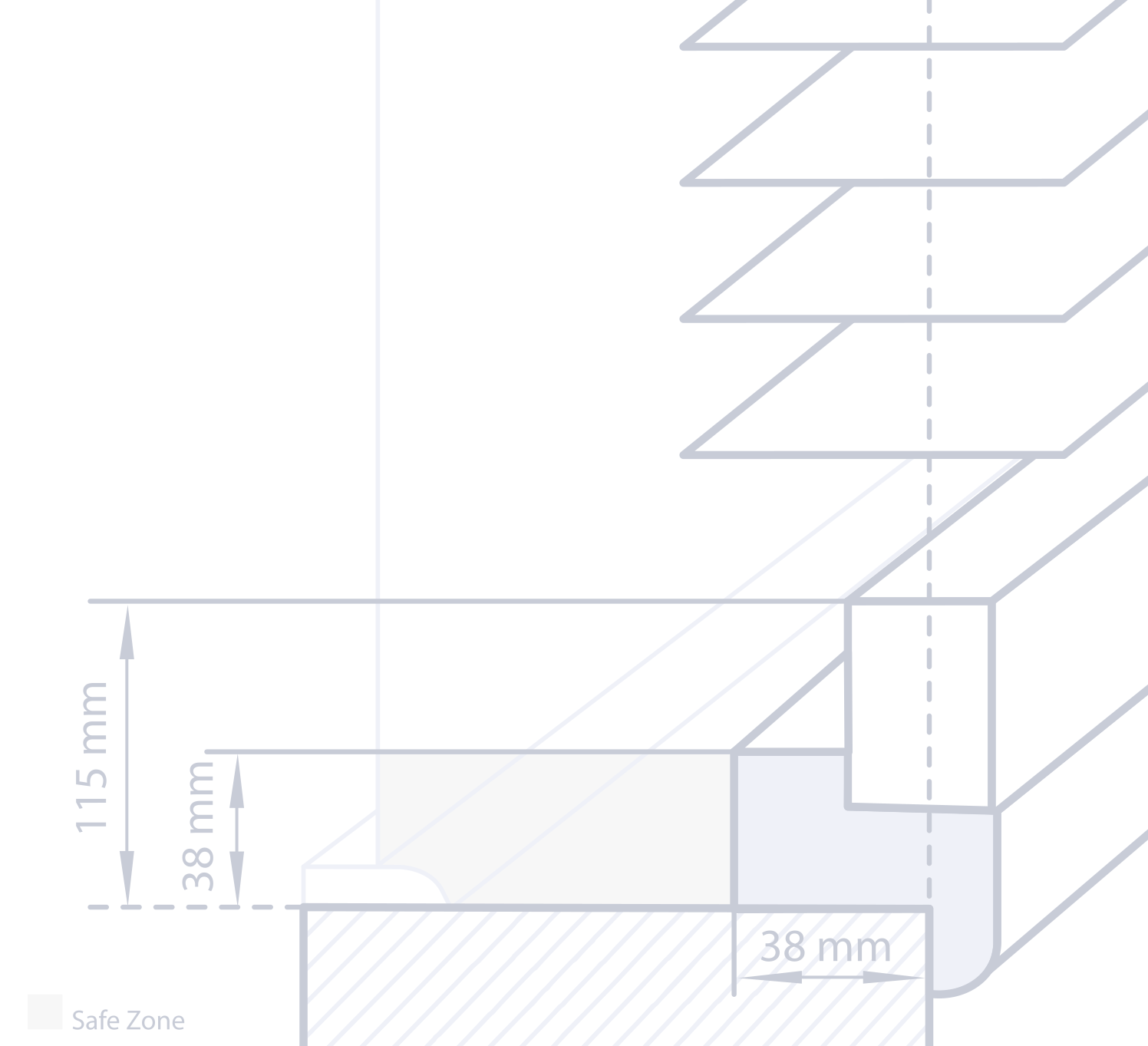
Obstructions located towards the top or bottom of your window recess
Once an obstruction sits beyond the frame-fixing zone, the next consideration is the fixed top or bottom rail of the shutter panel. Rails do not rotate like louvres, so they can sometimes be positioned in front of hardware with less depth than a fully opening louvre requires.
To fully clear and access obstructions behind the top or bottom rails, you’ll need at least 20mm of depth.
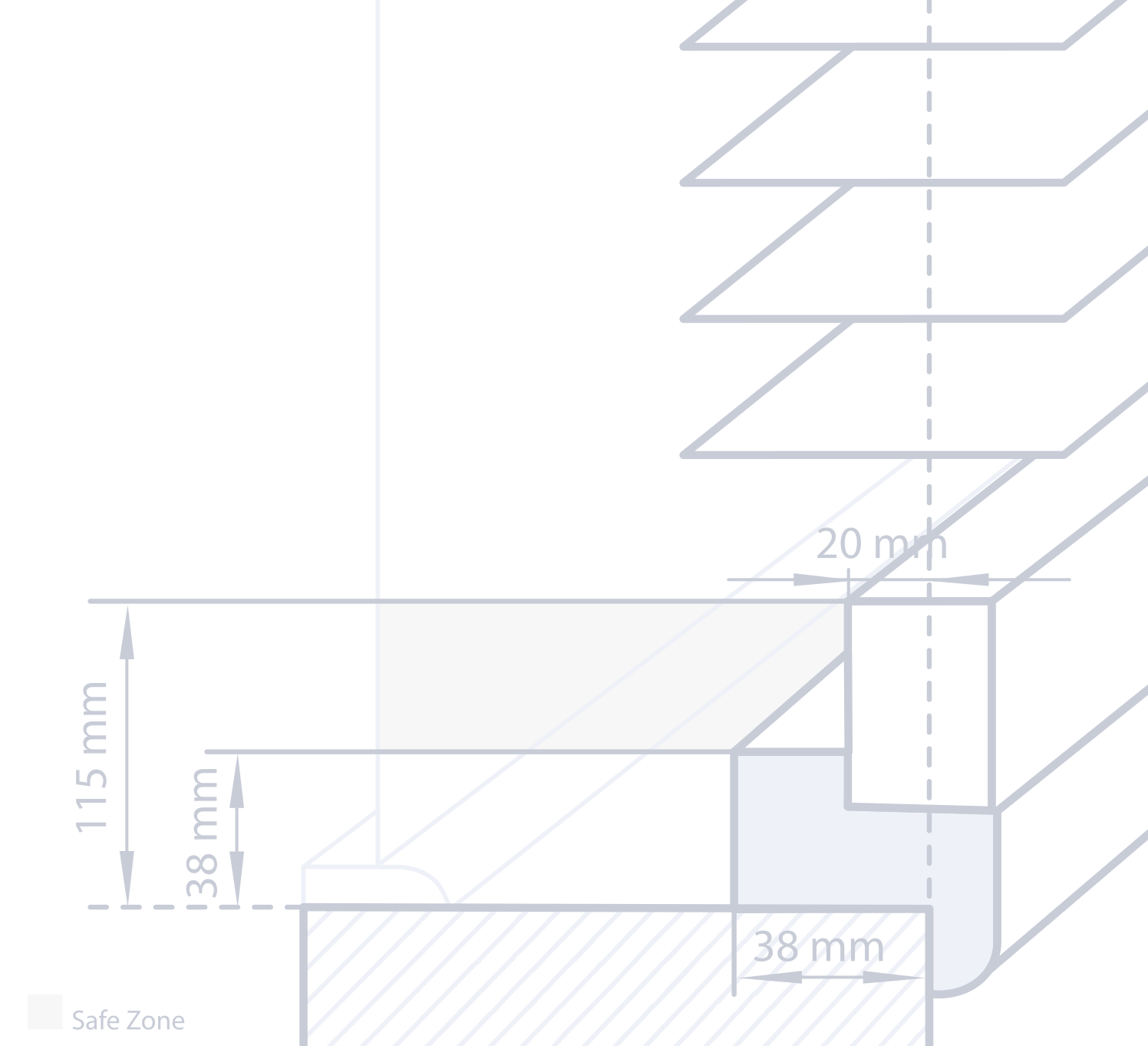
Obstructions located towards the centre of the window
Bottom and top rails are generally between 85mm and 148mm high. If an obstruction sits around 114mm from the top or bottom of your recess, you’ll need to check whether the rail or louvres will interfere with it.
If the obstruction is positioned further towards the centre of the window, make sure there is enough depth for the louvres (shutter blades) to open without making contact. Allow at least 60mm of clearance so the louvres can open fully. Access to handles, winders or keys is usually not an issue, as the shutter panels can be opened when needed.
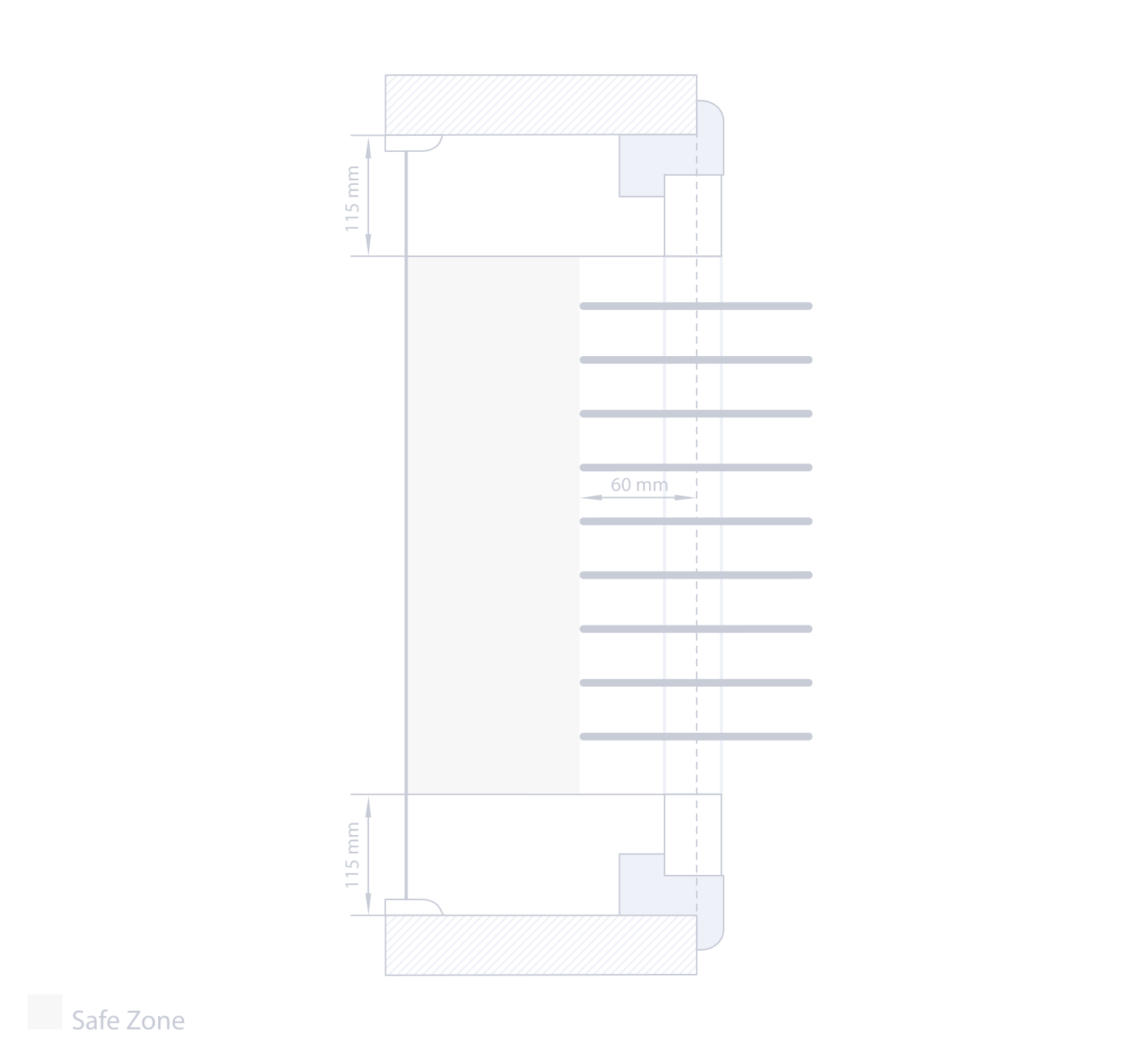
If you don’t have the required 60mm of clearance, a midrail can be positioned in line with the obstruction. Because the midrail itself does not rotate, you only need around 20mm of clearance for it to clear the obstruction. The same principle used for top and bottom rails applies here, except the obstruction is positioned closer to the centre of the window.
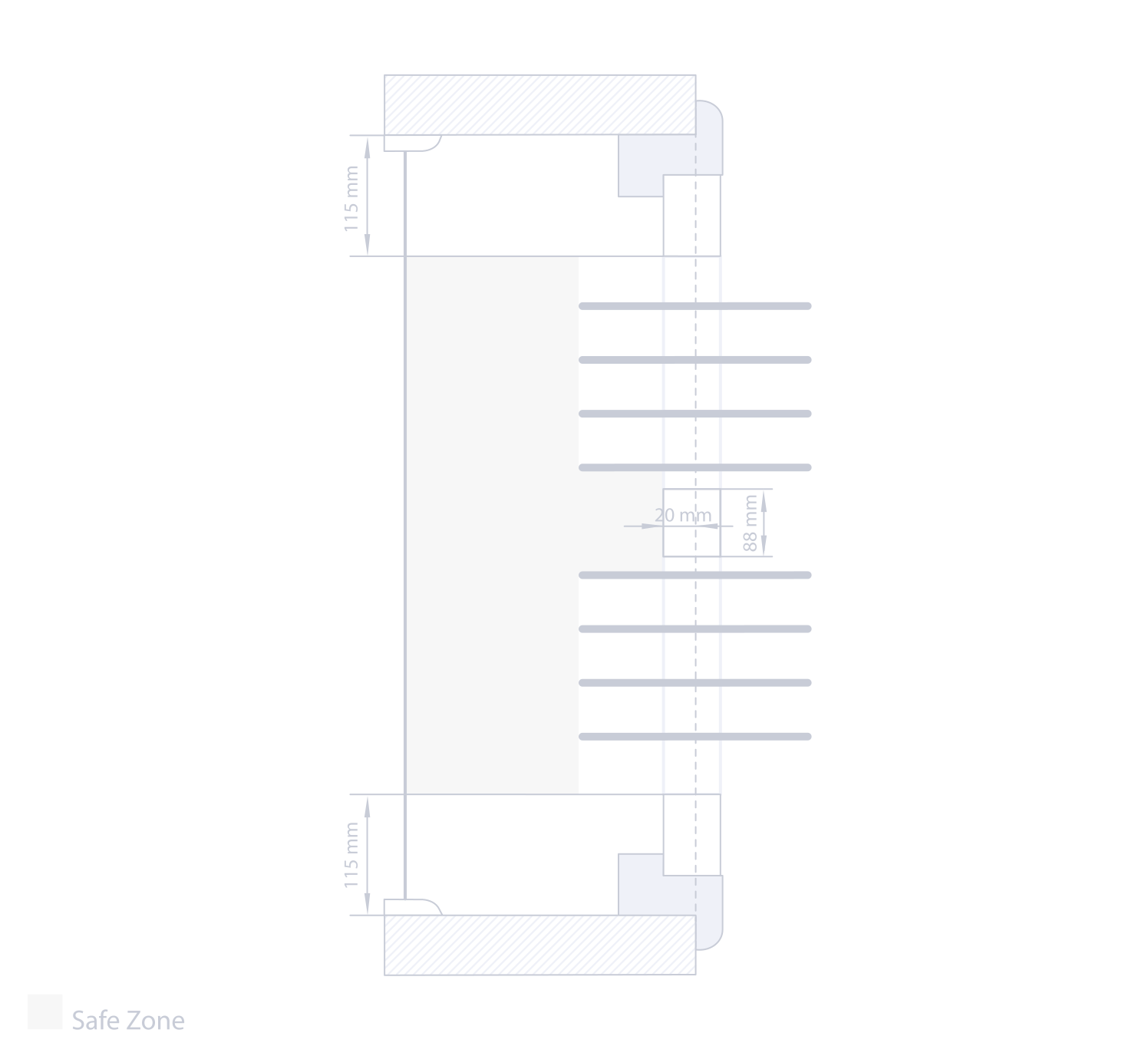
Obstructions on the sides of your window recess
Obstructions like side-mounted handles and locks need to clear both the frame and the opening shutter panel. If your obstruction is more than 70mm from the side of the wall you will need to be wary of the opening louvres. See above section for clearance depth of opening louvres. If your obstruction sits less than this 70mm section, you will only need 20mm of clearance.
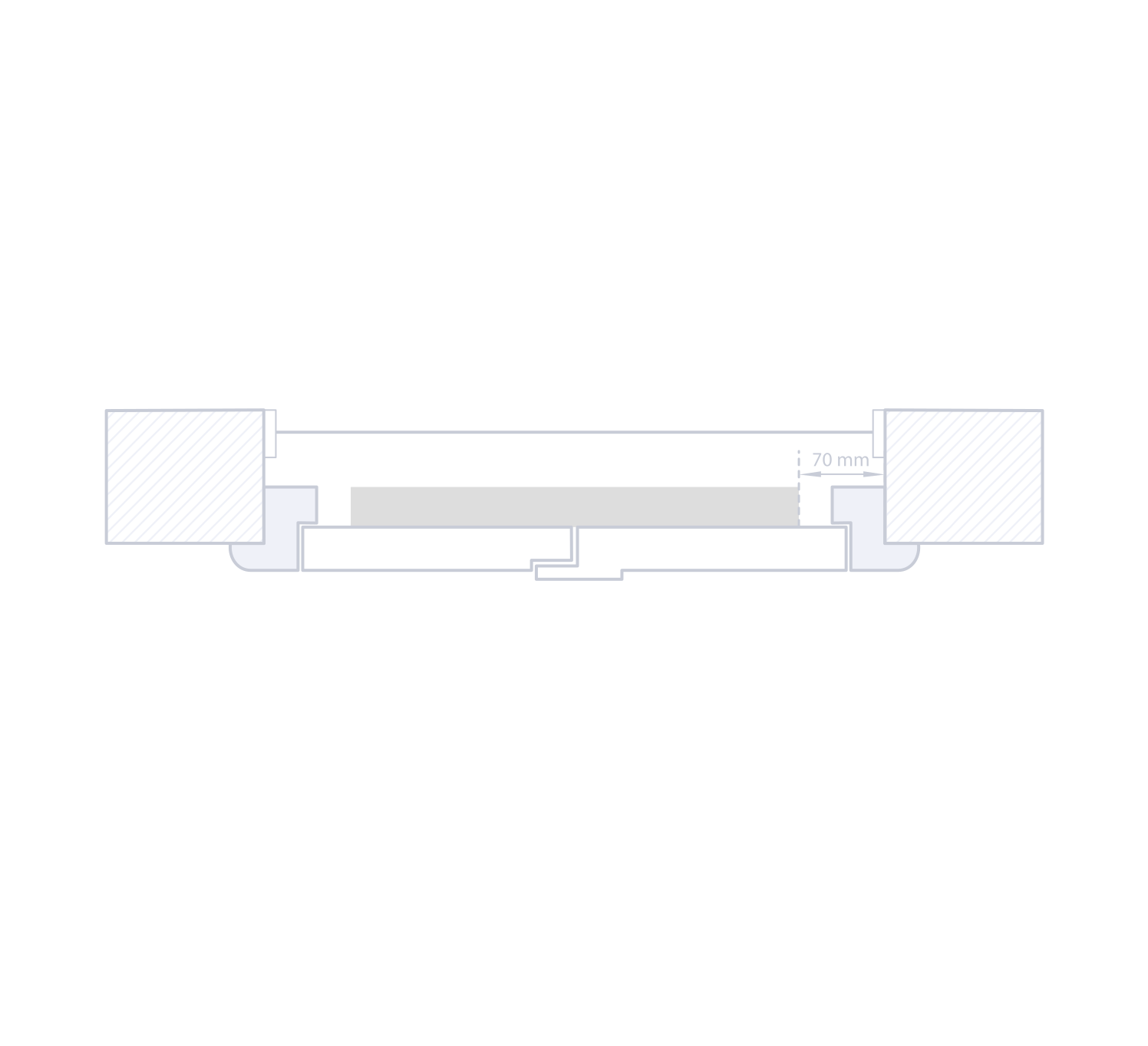
Summary: managing obstructions for an inside Z-frame
Check three separate zones: the perimeter where the Z-frame fixes, the fixed rails at the top and bottom of the panel, and the rotating louvre area. If any one of these conflicts with the window hardware, adjust the design or consider another mounting option.
Managing obstructions for an L-frame
An inside L-frame also sits within the recess, but its profile and fixing position differ from a Z-frame. An L-frame requires 47mm of clearance to fit inside the recess.
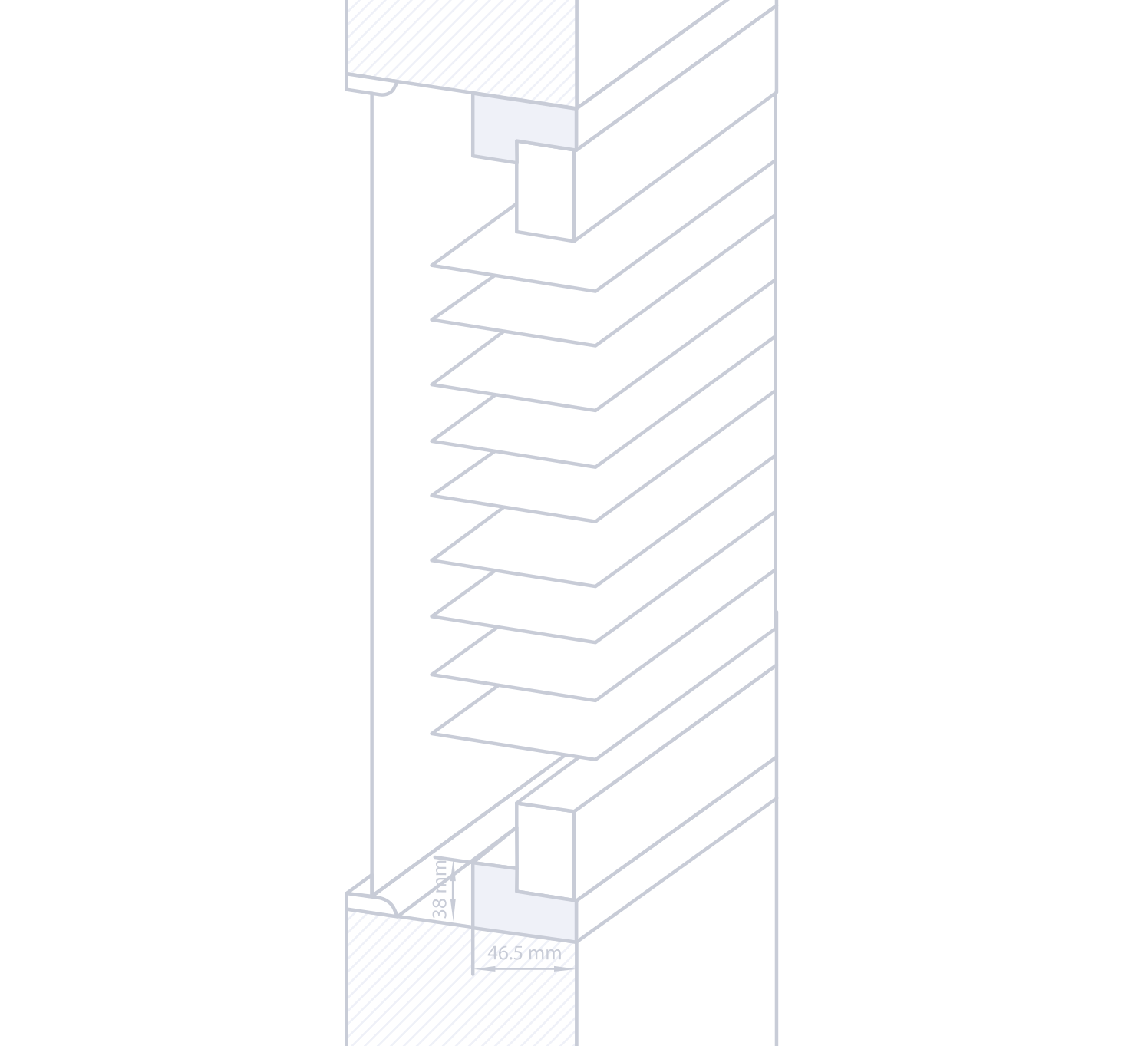
Obstructions on outer edges of your window recess
If an obstruction sits right along the top, bottom or sides of the window — within approximately 38mm of the recess edge — measure from the obstruction to the edge of the recess.
You’ll need at least 47mm of clear space to fit an L-frame without interference. Because the frame is fixed in place once installed, it’s also worth allowing a few extra millimetres where possible if you still need access to a handle, winder, key or other obstruction behind it.
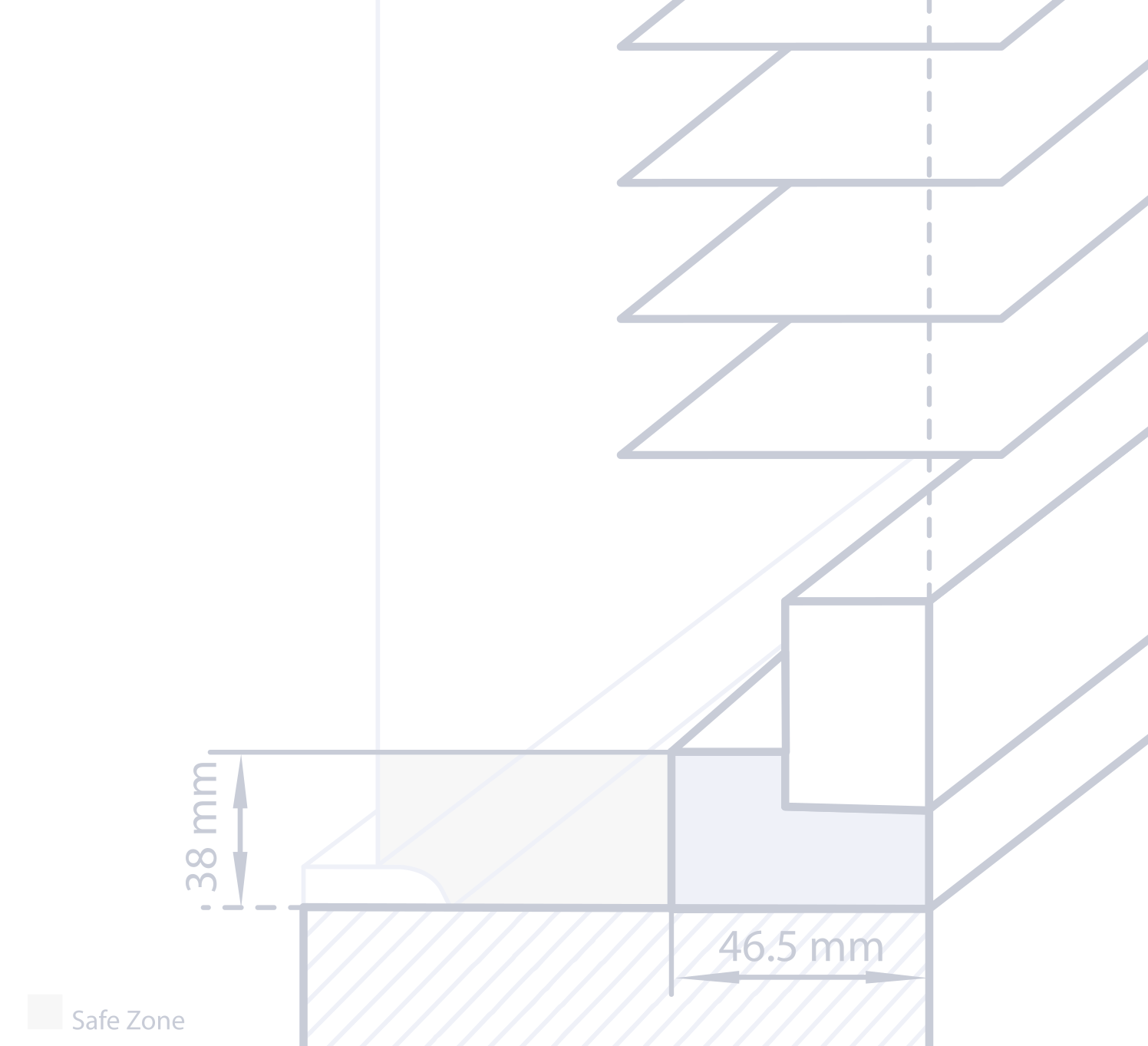
Obstructions located towards the bottom or top of your window recess
If the obstruction is positioned at the top or bottom of the window, but sits further than 38mm from the edge of the recess, the top or bottom rail may need to pass in front of it.
Unlike the louvres, these rails are fixed and do not rotate. To allow the rail to clear the obstruction — and still provide access behind it where required — you’ll need at least 30mm of depth.
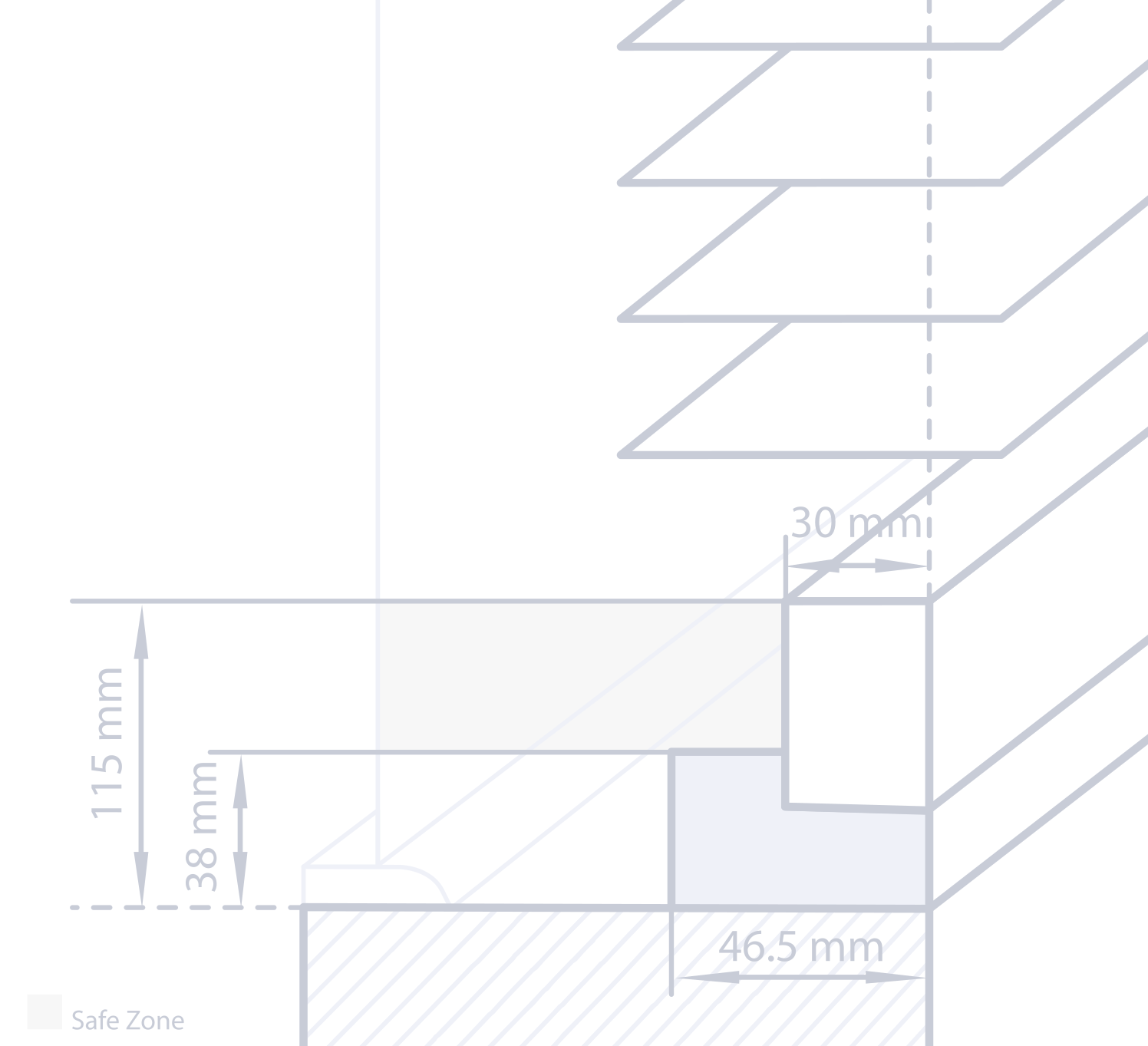
Obstructions located towards the centre of your window
Bottom and top rails are generally between 85mm and 148mm high. If an obstruction sits around 150mm from the top or bottom of the recess, you’ll need to check that the louvres can still open without making contact.
If the obstruction is positioned further towards the centre of the window, allow at least 70mm of clearance so the louvres can rotate and open fully. Access to handles, winders or keys is usually not an issue, as the shutter panels themselves can be opened when needed.
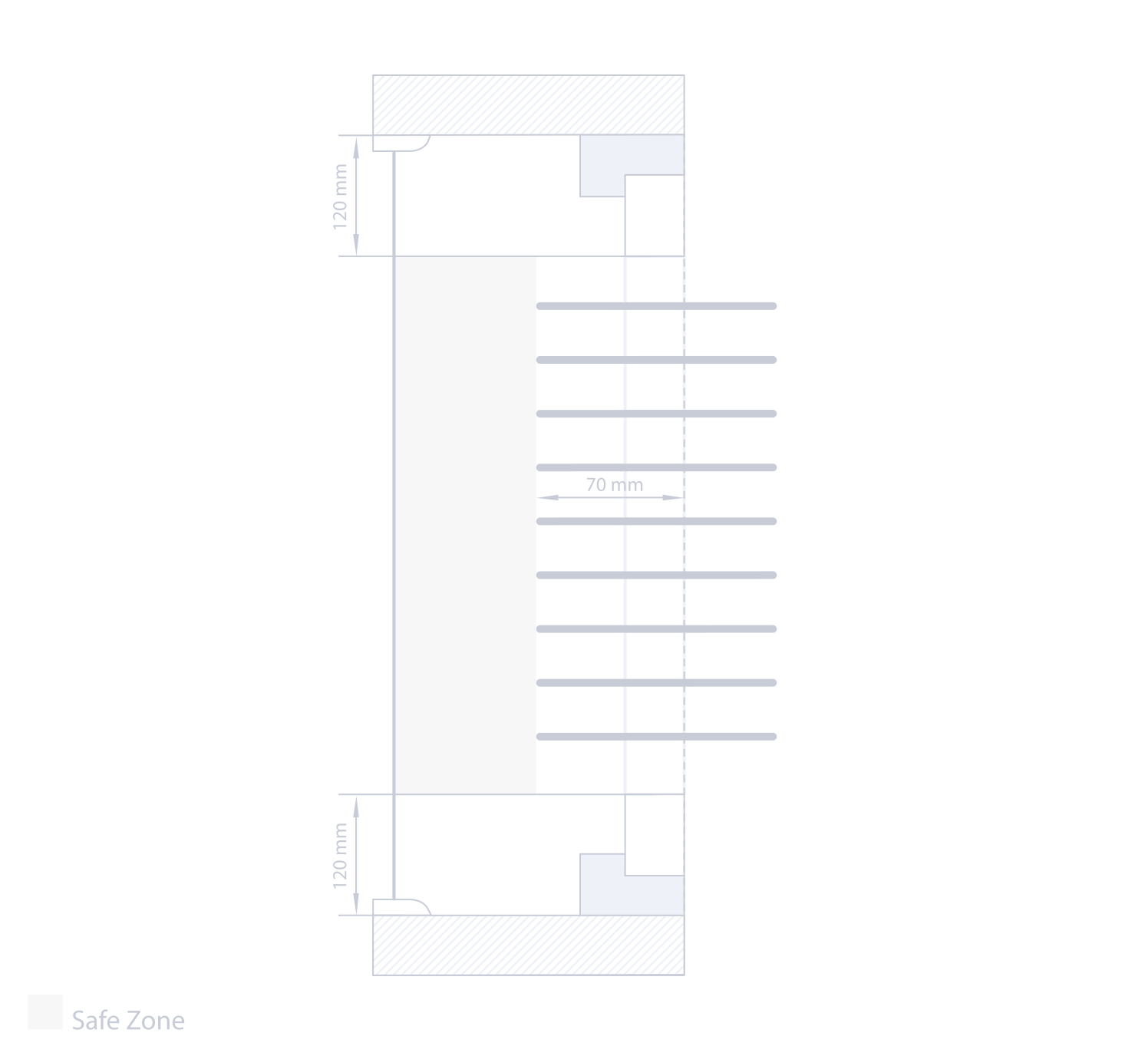
If you don’t have 70mm of clearance, you can position a midrail in line with the obstruction. Because a midrail is fixed and does not rotate like the louvres, you only need around 30mm of clearance for it to pass in front of the obstruction. The same principle applies as with the top and bottom rails, except the obstruction is located closer to the centre of the window.
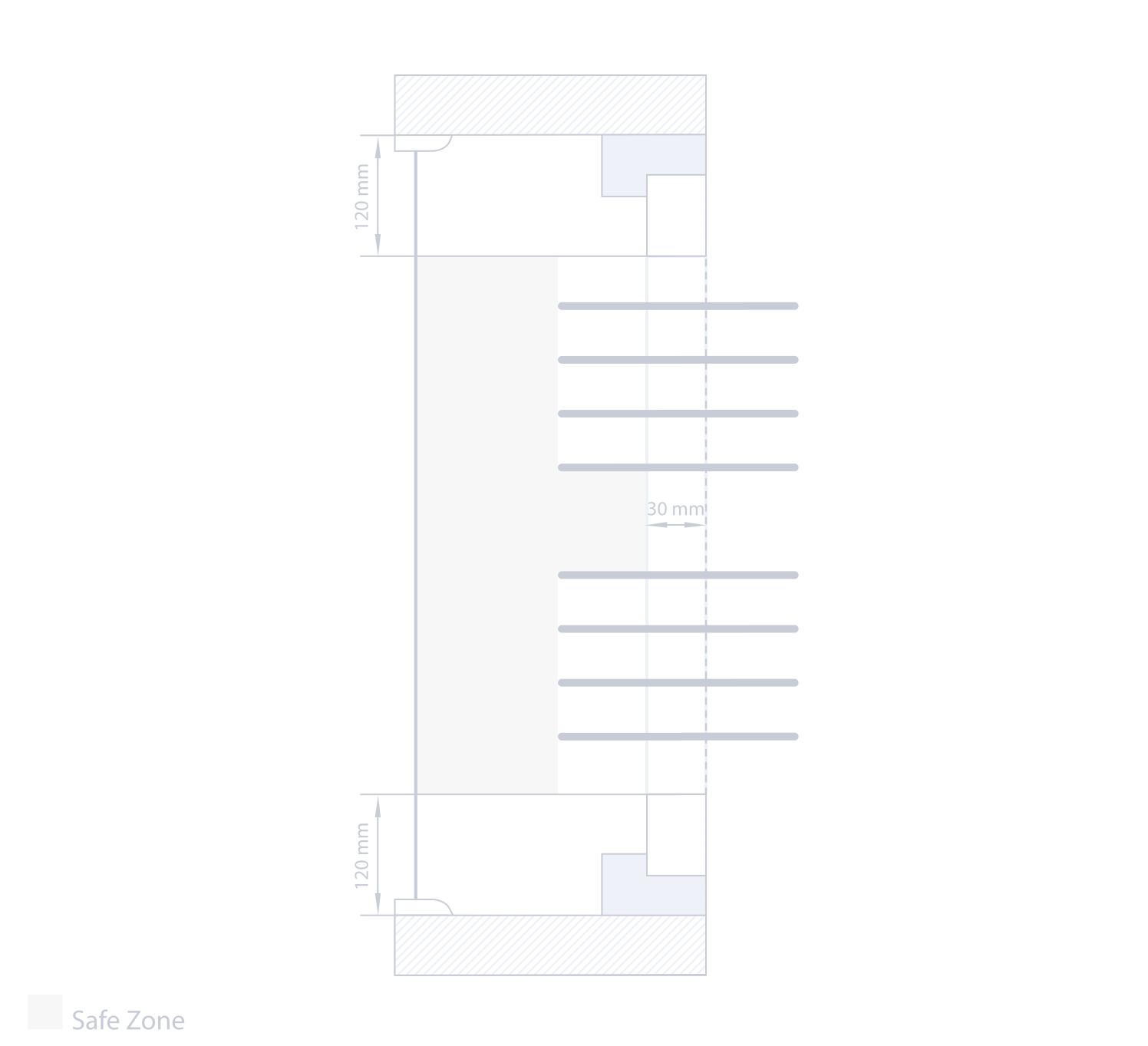
Obstructions located on the sides of your window recess
If the obstruction is positioned along the side of the window but sits further than 38mm from the edge of the recess, you’ll need at least 30mm of clearance for the shutter components to pass in front of it.
If the obstruction is more than 78mm from the side of the recess, you’ll also need to check that the louvres have enough room to rotate and open fully without making contact. Louvres require 70mm of clearance.
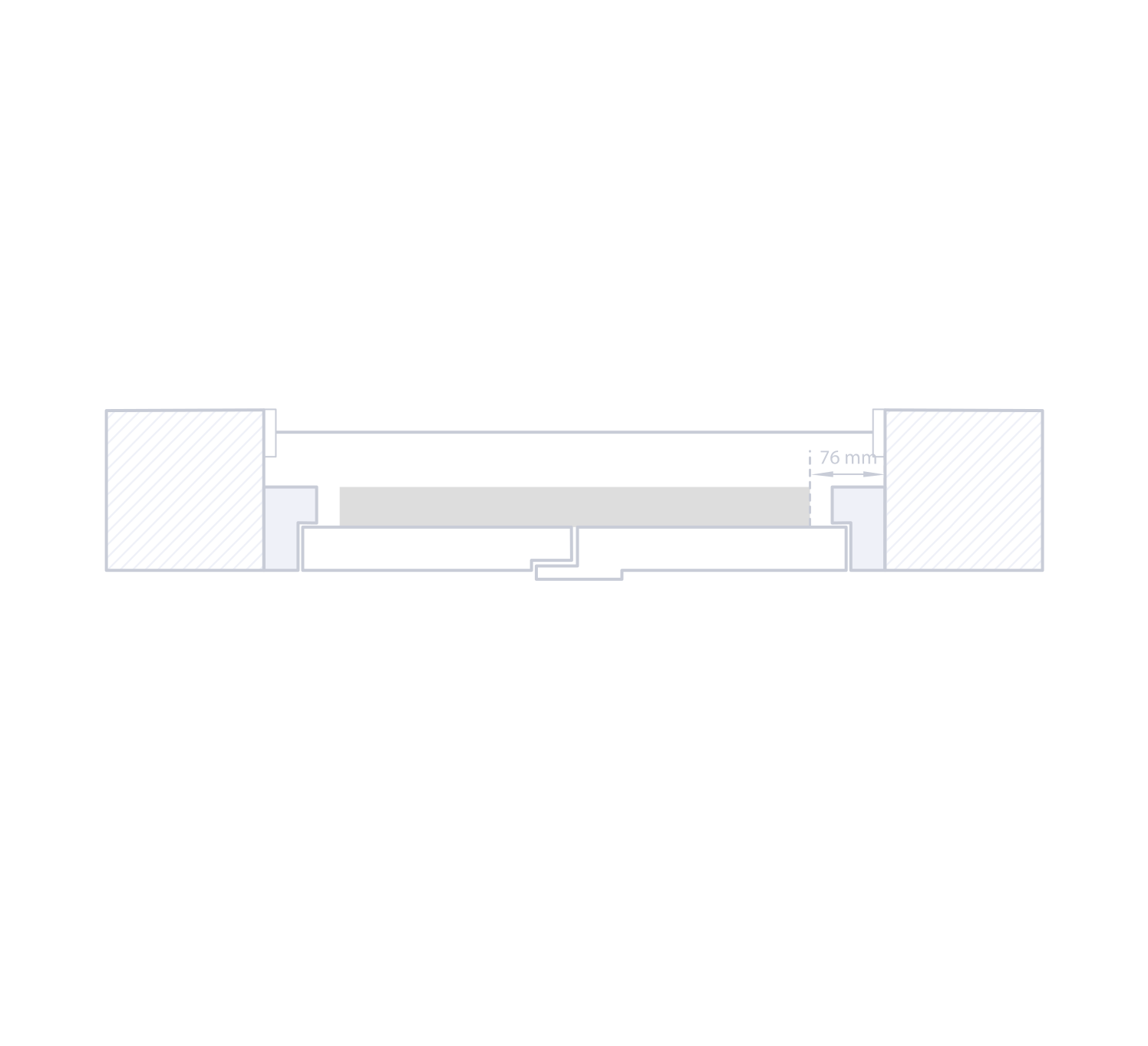
Summary: managing obstructions for an inside L-frame
Measure the exact location and projection of every obstruction rather than relying on one recess-depth measurement. If an inside solution becomes too tight or compromises window operation, an outside mount can move the shutter forward and avoid the conflict altogether.
Was this article helpful?
Related articles
Still need a hand?
Send us your window measurements and photos if you are unsure about the right shutter setup.